

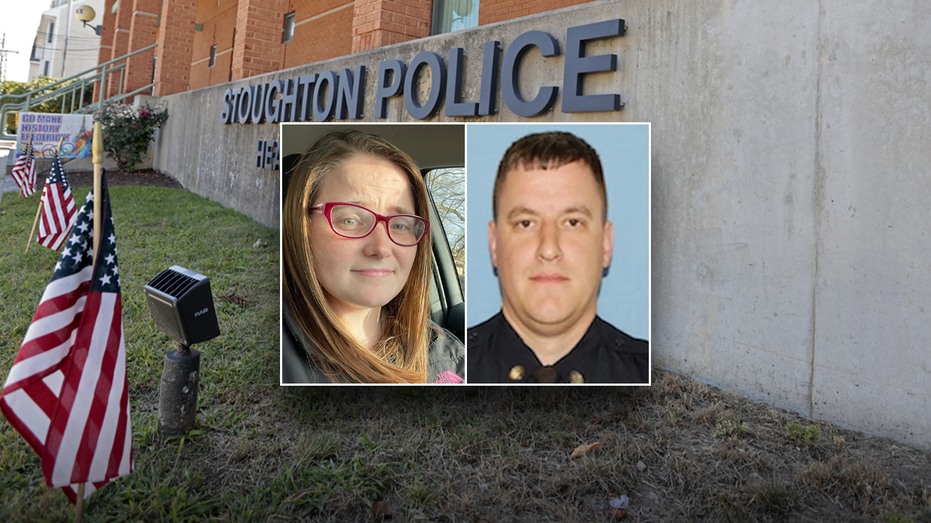

Matthew Farwell, a former detective with the Stoughton Police Department in Massachusetts, was convicted Tuesday of murdering Sandra Birchmore and causing the death of her unborn child. Prosecutors said Birchmore was strangled inside her Canton apartment in February 2021 and that the scene was staged to resemble a suicide. The verdict followed more than three weeks of testimony in federal court. Farwell faces mandatory life imprisonment without the possibility of parole.
The case centered on a relationship prosecutors said began when Birchmore was 15 and Farwell was 27. Investigators later uncovered about 40,000 text messages between them, while prosecutors argued that Farwell killed Birchmore after she became pregnant and threatened to reveal the relationship.
| 1) | Verdict follows federal murder trial |
| 2) | Prosecutors describe a staged death |
| 3) | Relationship and pregnancy form the prosecution theory |
| 4) | Defense disputes the cause and manner of death |
| 5) | Life sentence is mandatory after conviction |
Verdict follows federal murder trial
A federal jury found Matthew Farwell guilty on November 10, 2026, after deliberating over the charges involving Sandra Birchmore and her unborn child. The jury began deliberations after more than three weeks of testimony. On the preceding Monday, jurors told the judge they were deadlocked, but they were sent home and ordered to return Tuesday before reaching the verdict.
The case was prosecuted in federal court because the charges alleged that Farwell killed a witness or victim and caused the death of an unborn child. The conviction concluded a trial focused on events inside Birchmore’s Canton apartment and on the former officer’s conduct before and after her death.
Prosecutors describe a staged death
Birchmore was found dead on February 1, 2021, with a strap around her neck. Her death was initially classified as a suicide, but the medical examiner later changed the official manner of death to undetermined. Federal investigators subsequently reopened the case and developed evidence that prosecutors said showed the scene had been arranged to conceal a homicide.
Prosecutors argued that Farwell strangled Birchmore and made the apartment appear consistent with suicide. Their case relied on the death-scene evidence, the medical findings, and communications gathered during the investigation. They portrayed Farwell as a former police officer who understood how an investigation could be affected by a staged scene.
Relationship and pregnancy form the prosecution theory
The prosecution said Farwell had groomed Birchmore beginning when she was 15, while he was 27, and that the relationship continued for years. Investigators found approximately 40,000 text messages between the two. Prosecutors presented the messages as evidence of a long-running sexual relationship and of the pressure surrounding Birchmore shortly before her death.
According to prosecutors, Birchmore became pregnant and threatened to expose the relationship and Farwell’s alleged misconduct. They said that created a motive for the killing and explained why the scene was allegedly made to look like a suicide. The case therefore combined evidence about the relationship, the pregnancy, the apartment scene, and Farwell’s actions in the period surrounding February 1, 2021.
Defense disputes the cause and manner of death
Farwell’s defense acknowledged the extramarital relationship but denied that he killed Birchmore. Defense attorneys argued that Birchmore died by suicide and pointed to her history of mental health struggles and earlier suicidal statements. They also challenged the prosecution’s interpretation of the physical evidence at the apartment.
A defense medical expert disputed the conclusion that Birchmore had been strangled. The competing accounts required jurors to assess whether the death scene, medical evidence, messages, and other investigative findings supported murder beyond a reasonable doubt. The guilty verdict means the jury rejected the defense explanation.
Life sentence is mandatory after conviction
Farwell faces mandatory life imprisonment without the possibility of parole. The sentence follows the federal conviction for killing Birchmore and causing the death of her unborn child. The available penalty reflects the seriousness of the charges and means that, under the stated sentencing provision, Farwell will not be eligible for release on parole.
The verdict also establishes the criminal finding that Birchmore’s death was a homicide rather than a suicide. It follows the reopening of a case that initially remained unresolved after the medical examiner changed the manner of death to undetermined. Further sentencing proceedings will determine the formal entry of the mandatory punishment.
Key Points
| Number | Key Point |
|---|---|
| 1 | Matthew Farwell was convicted in federal court on November 10, 2026. |
| 2 | Sandra Birchmore was found dead in her Canton apartment in February 2021. |
| 3 | Prosecutors said the death scene was staged to resemble a suicide. |
| 4 | The defense argued that Birchmore died by suicide and challenged the medical evidence. |
| 5 | Farwell faces mandatory life imprisonment without parole. |
Summary
The conviction resolves a federal murder case that began with a death initially classified as a suicide. Prosecutors persuaded jurors that Matthew Farwell killed Sandra Birchmore and staged the apartment scene after a yearslong relationship became a potential source of exposure. The defense maintained that Birchmore took her own life, but the jury found Farwell guilty, leaving him subject to mandatory life imprisonment without parole.
Frequently Asked Questions
Who was convicted in the case?
Former Stoughton Police Department detective Matthew Farwell was convicted of murdering Sandra Birchmore and causing the death of her unborn child.
When and where did Birchmore die?
Birchmore was found dead inside her Canton, Massachusetts, apartment on February 1, 2021.
What sentence does Farwell face?
Farwell faces mandatory life imprisonment without the possibility of parole.
What did the defense argue?
The defense argued that Birchmore died by suicide, cited her mental health history and prior suicidal statements, and disputed the prosecution’s conclusion that she had been strangled.
