

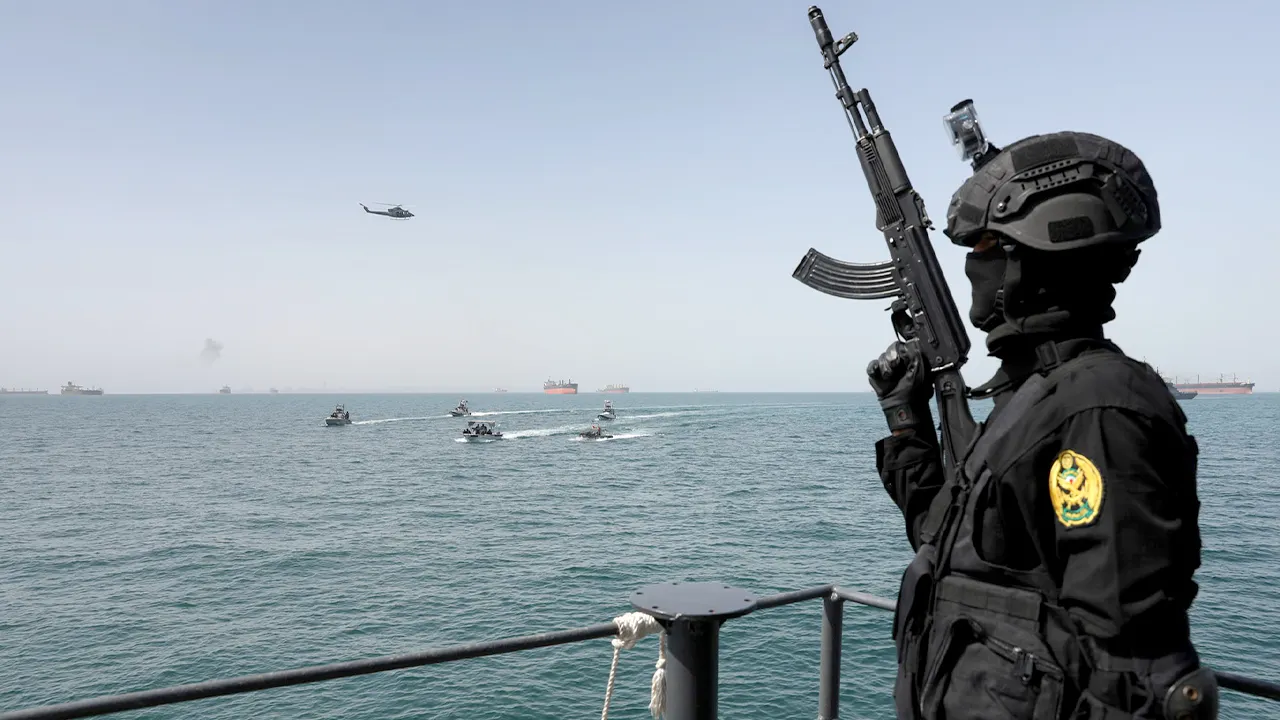

Tensions in the Strait of Hormuz have escalated significantly as Iranian forces are reportedly targeting U.S. naval drones to gather intelligence on American surveillance operations. Experts warn that this strategy is part of a broader campaign by Tehran to enhance its understanding of U.S. military capabilities and develop countermeasures. This situation reached a critical point when the U.S. military engaged Iranian boats attempting to seize an unmanned surface vessel in early September, which has drawn international attention to the growing volatility in this strategic maritime region.
| Article Subheadings |
|---|
| 1) Background on the Strait of Hormuz Tensions |
| 2) The U.S. Military Response |
| 3) Iran’s Strategic Drone Operations |
| 4) Implications of Captured U.S. Drones |
| 5) Future Consequences for U.S.-Iran Relations |
Background on the Strait of Hormuz Tensions
The Strait of Hormuz is a crucial maritime corridor, where nearly 20% of the world’s oil supply passes through. Its strategic importance has rendered it a flashpoint for regional tensions, particularly between Iran and the United States. Following the U.S.’s withdrawal from the Iran nuclear deal and subsequent imposition of sanctions, relations soured significantly. Iran has repeatedly signaled its willingness to disrupt maritime traffic, posing threats to tankers and other vessels, to leverage its influence during negotiations on sanctions relief.
Most recently, the situation escalated on September 14, when a U.S. destroyer intercepted Iranian small boats in a failed seizure attempt of an unmanned surface vessel patrolling the area. Experts suggest these actions reflect Tehran’s calculated strategy to engage in warfare without conventional military confrontation.
The U.S. Military Response
In response to these aggressive attempts by Iranian forces, the U.S. military confirmed that it destroyed two Iranian boats that tried to capture the unmanned aerial system (UAS). As stated by Capt. Tim Hawkins from U.S. Central Command (CENTCOM), the Iranian boats were unsuccessful in their mission due to the prompt military response by U.S. forces. This incident illustrates the heightened readiness and operational control the U.S. maintains over its drone assets in the region.
Centrally, the U.S. Navy has continued to patrol the Strait of Hormuz with increased military presence, aiming to deter Iran from further aggressions. This includes maintaining operational control over unmanned vessels, ensuring that they continue to carry out their surveillance missions unimpeded.
Iran’s Strategic Drone Operations
Iran’s decision to focus on U.S. naval drones is engineered to extract maximum intelligence on Western operations. Experts, including Cameron Chell, CEO of Draganfly, emphasize that these missions are deliberate and well-coordinated efforts by Iran to capture valuable data regarding U.S. surveillance capabilities. The recent incidents highlight a broader strategy involving drone capture missions that could provide Iran with insights on how to evade detection by U.S. defenses.
By exposing themselves to potential drone recovery operations, Iranian forces are attempting to reverse-engineer insights from captured aerial systems. This may not yield immediate classified information, but it can inform Tehran about U.S. operational procedures and maritime strategies.
Implications of Captured U.S. Drones
The implications of capturing U.S. drones are broad and potentially grave. Cameron Chell warned that every time Iran successfully acquires a drone, even briefly, it earns a tactical advantage that can influence future operations. Access to drone technology allows Iran to understand the types of sensors used by U.S. drones and how they collect information, thereby refining their own tactics in response.
Moreover, this knowledge empowers Iranian forces to design countermeasures against drone surveillance and enhances their operational tactics in both maritime and aerial engagements. The last recorded incident on September 8, where Iran captured a Dive-LD autonomous underwater drone, underscores this tactic, allowing Iranian forces sight into specific operational frameworks and methods utilized by their adversaries.
Future Consequences for U.S.-Iran Relations
The ongoing turmoil in the Strait of Hormuz signifies a troubling chapter in U.S.-Iran relations. These events could escalate into larger conflicts if both sides fail to de-escalate tensions. The U.S. has consistently warned Iran against such aggressive maneuvers, stating that it will retaliate to protect its interests and freedom of navigation in international waters.
Furthermore, as drone technology continues to evolve in asymmetric warfare, the ability for Iran to leverage captured U.S. technologies could sway the balance of power in the Middle East. Observations by experts indicate that Iran’s strategic drone operations may reshape military engagements in the region, challenging traditional notions of deterrence and defense.
| No. | Key Points |
|---|---|
| 1 | Iran is deliberately targeting U.S. naval drones to enhance their military intelligence. |
| 2 | The U.S. military has engaged aggressively when Iranian forces attempted to seize U.S. assets. |
| 3 | Success in capturing U.S. drones could provide Iran valuable insights into U.S. defense methods. |
| 4 | The ongoing drone incidents raise concerns about escalating tensions and potential conflict. |
| 5 | Experts believe Iran’s drone strategy underpins a shift in military dynamics in the Middle East. |
Summary
The situation in the Strait of Hormuz remains precarious as Iran escalates its attempts to capture U.S. naval drones, underscoring the volatile military landscape of the region. The U.S. military’s assertive response further complicates the dynamics at play. As both sides navigate increased tensions, the potential for significant conflicts looms over international maritime routes vital for global commerce. Observers anticipate that advancements in drone technology could alter traditional military engagements and strategies, fundamentally reshaping U.S.-Iran relations in the aftermath.
Frequently Asked Questions
Question: What is the strategic importance of the Strait of Hormuz?
The Strait of Hormuz is a major maritime corridor where a significant portion of the world’s oil supply transits, making it crucial for international trade and energy security.
Question: How has the U.S. military responded to Iranian drone operations?
The U.S. military has increased its presence in the region and engaged Iranian small boats that attempted to seize U.S. unmanned vehicles, demonstrating a firm stance against such provocations.
Question: What can the Iranian government gain from capturing U.S. drones?
By capturing U.S. drones, Iran can gain critical insights into U.S. military technology and operational tactics, which can inform their strategic planning and countermeasures.
