

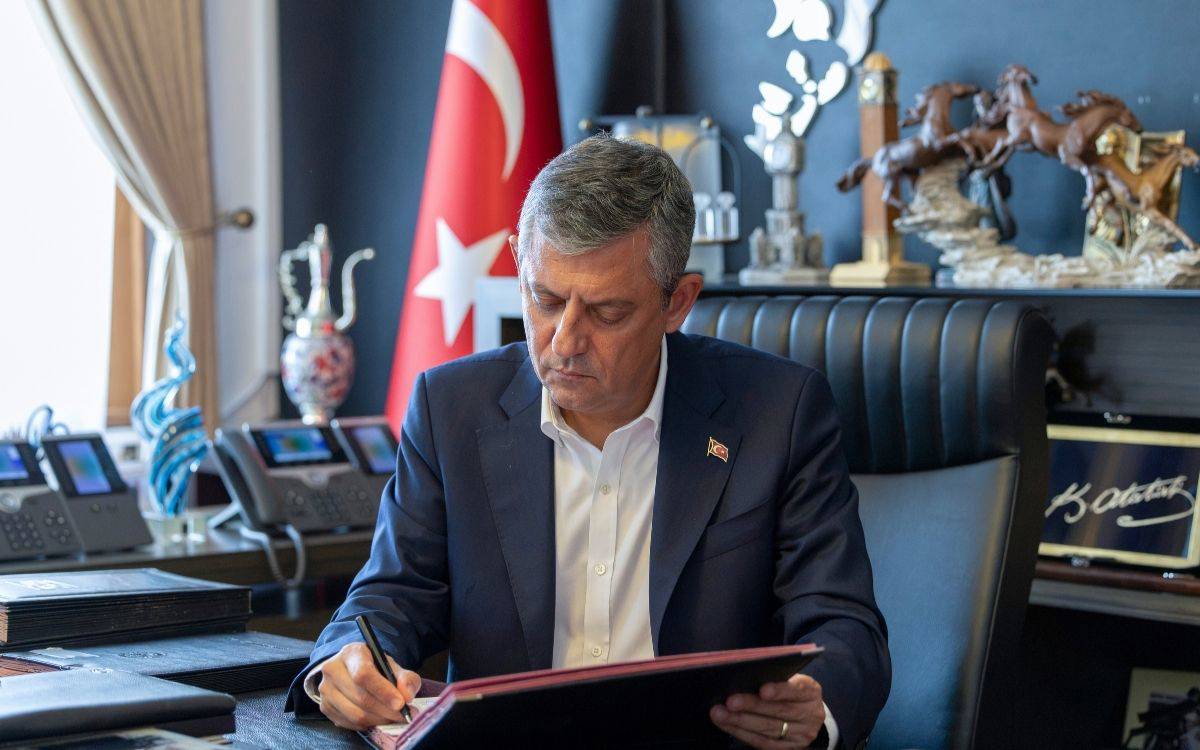

In a developing political scenario in Turkey, opposition leader Özgür Özel faces the potential loss of parliamentary immunity amidst allegations of bribery. Following the declaration of his leadership position as null by a court, Özel is accused of accepting bribes from municipal leaders to secure support for political maneuvers. This legal action against him poses significant implications for not only his political future but also the landscape of the opposition in Turkey, especially considering the recent fragmentation of the main opposition party.
| Article Subheadings |
|---|
| 1) Allegations of Bribery against Özgür Özel |
| 2) Court Ruling and its Consequences |
| 3) The New Party: Formation and Political Implications |
| 4) Process for Lifting Immunity Explained |
| 5) A Broader Context of Opposition Suppression |
Allegations of Bribery against Özgür Özel
The prosecutor’s office has formally accused Özgür Özel of accepting bribes from two mayors—Özkan Yalım of Uşak and Muhittin Böcek of Antalya. The allegations suggest a deeply entrenched issue of corruption within Turkey’s political framework, where Özel purportedly accepted these bribes in exchange for favorable actions related to party leadership elections. The claims have gained traction and scrutiny following a written statement from the prosecutor’s office, further complicating Özel’s political standing.
The report indicates that as an intermediary in this alleged bribery case, MP Veli Ağbaba played a significant role. This intricate web of accusations raises questions about the ethical climate of Turkish politics and the extent of influence wielded by municipal leaders. Additionally, these allegations come at a particularly tumultuous time for political opposition, emphasizing the intertwining of power dynamics and financial incentives in the current climate.
Court Ruling and its Consequences
On May 21, 2026, a court ruling declared Özel’s leadership within the main opposition party, the CHP, null and void. This legal decision has profound implications for Özel’s political future and the stability of the CHP. The son of a political giant, Özel had previously shown strong leadership potential, but this ruling reinstated long-time party head Kemal Kılıçdaroğlu and questioned Özel’s authority within the party structure.
While the ruling is currently under appeal, the deflation of Özel’s influence is significant. Following this decision, he formed a new political faction, dubbed the New Party, to sustain his political efforts. This new venture has garnered substantial support, with 90 out of 135 CHP deputies aligning with him. Such a split indicates a potential reshaping of opposition forces within Turkey, paving the way for new narratives in the political arena that could influence future governance and policy-making.
The New Party: Formation and Political Implications
The establishment of the New Party by Özgür Özel serves as a critical marker in Turkey’s evolving political tapestry. Formed in the wake of his ousting from the CHP, the New Party claims to represent a significant faction of the populace dissatisfied with the traditional political hierarchy. Özel’s ability to attract former leaders and deputies from the CHP indicates a fracture within the established opposition structure, which could have long-standing implications for Turkish democracy.
In July 2026, the New Party officially emerged as the second-largest party in parliament, a notable achievement that elevates its status from just a splinter group to a legitimate contender in Turkish politics. This shift signifies not only Özel’s resilience in the face of adversity but also the electorate’s desire for change. The New Party’s formation underscores a potential realignment of political allegiances as voters seek alternative options beyond traditional parties.
Process for Lifting Immunity Explained
The legal ramifications facing Özgür Özel are significant, as the prosecutor’s office has forwarded proceedings to the Justice Ministry regarding the alleged bribery activities. This procedural step is crucial, as it sets the stage for parliament to deliberate and vote on whether to remove the parliamentary immunity that protects Özel and MP Ağbaba from prosecution. In Turkey, immunity for lawmakers is a safeguard against legal action while in office, but this protection can be lifted through a straightforward majority vote in parliament.
As the ruling coalition holds a significant majority, the likelihood of immunity being rescinded is high. Such an action could clear the way for persecution against Özel and his associate, potentially destabilizing not only their political careers but also impacting the operations of the New Party. This process raises questions about legislative integrity and the balance of power within the Turkish government, particularly in an environment where political maneuvering often intertwines with judicial actions.
A Broader Context of Opposition Suppression
The ongoing legal challenges against Özgür Özel occur against a backdrop of widespread suppression of political opposition in Turkey. Since early 2025, the ruling party has intensified its actions against opposition figures, resulting in the removal of 31 opposition mayors and the fragmentation of the broader political movement. This atmosphere of fear and intimidation has led to several prominent figures transitioning to the ruling party, complicating the opposition landscape further.
The crackdown on dissent and divided loyalties raise critical questions about the future of democracy in Turkey. With politicians switching affiliations and existing parties fracturing, the political environment is increasingly volatile. Observers note that this recent surge of anti-opposition sentiment could diminish the prospects for a robust and unified political opposition, stifling democratic discourse and engagement among the electorate.
| No. | Key Points |
|---|---|
| 1 | Özgür Özel is facing serious corruption allegations linked to bribery. |
| 2 | A court ruling has removed Özel from leadership in the CHP, reinstating Kemal Kılıçdaroğlu. |
| 3 | Özel founded the New Party, drawing significant support from former CHP deputies. |
| 4 | Lifting of parliamentary immunity may lead to prosecution against Özel and Ağbaba. |
| 5 | The political landscape in Turkey is increasingly fragmented due to government actions against opposition figures. |
Summary
The allegations and subsequent legal challenges faced by Özgür Özel underscore a critical juncture in Turkish politics, as corruption allegations intertwine with parliamentary immunity processes and opposition suppression. The formation of the New Party highlights both resilience and challenges within the political opposition. As the atmosphere grows increasingly hostile towards dissent, the future of democratic engagement remains uncertain amidst these shifting allegiances and power dynamics.
Frequently Asked Questions
Question: What are the allegations against Özgür Özel?
Özgür Özel is accused of accepting bribes from several municipal leaders in exchange for political favors related to leadership elections.
Question: What implications does the court ruling have on Özel’s political career?
The court ruling has stripped Özel of his leadership position in the CHP, which may severely impact his influence and future in Turkish politics.
Question: How can parliament lift the immunity of Özel and Ağbaba?
Lifting parliamentary immunity requires a simple majority vote in parliament, where the ruling coalition currently holds significant power.
