

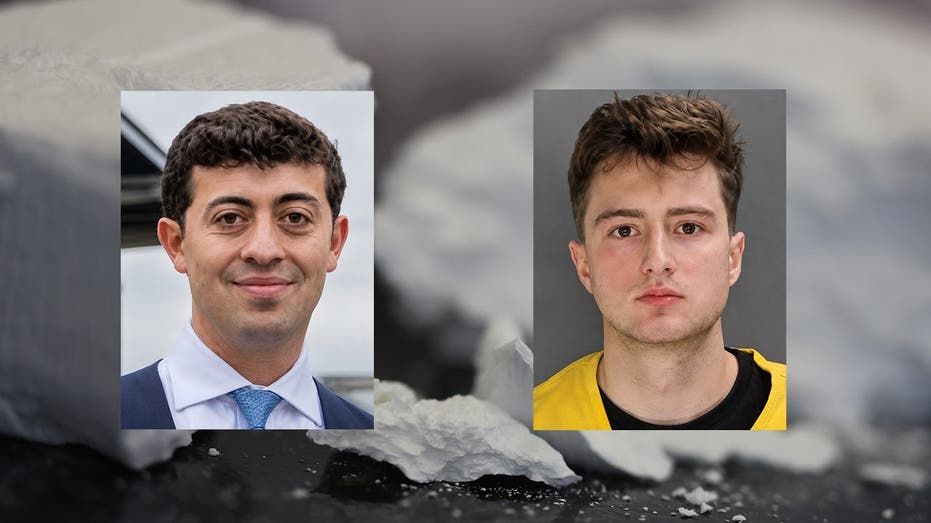

Fourteen people are facing charges in connection with an alleged cocaine distribution operation involving Penn State students and two off-campus fraternities. Pennsylvania Attorney General Dave Sunday said the operation allegedly included the acquisition, cutting, packaging and sale of cocaine during 2023 and 2024. Investigators allege that some fraternity pledges were required to help prepare drugs as part of an indoctrination process. Penn State said it was horrified by the allegations and would cooperate with law enforcement.
The defendants include 13 current or former Penn State students and the father of one student. Two alleged principal suppliers are accused of making regular trips to Philadelphia and New York to obtain large quantities of cocaine, which was then distributed to students.
| 1) | Alleged ring and defendants |
| 2) | Supply network and fraternity houses |
| 3) | Charges and alleged roles |
| 4) | University and fraternity responses |
| 5) | Investigation and broader implications |
Alleged ring and defendants
The Pennsylvania Attorney General’s Office announced the charges on Monday, August 17, 2026, following an investigation into alleged cocaine trafficking around Penn State. Officials said 13 defendants were Penn State students at or around the time of the alleged conduct in 2023 and 2024. The 14th defendant, Paul Robinson, is the father of an accused student and faces charges related to allegedly concealing evidence and hindering the investigation.
The alleged operation centered on Agostino Abbatiello and Thomas Robinson, whom investigators identified as the main cocaine suppliers. At least four of those charged were confirmed to be current Penn State students. All defendants are accused individuals, and the charges must be resolved through the legal process.
Supply network and fraternity houses
Investigators allege that Abbatiello and Thomas Robinson traveled regularly to Philadelphia and New York to obtain large quantities of cocaine. The drugs were allegedly brought back for preparation and distribution in the Penn State area.
According to the attorney general, members of the off-campus Delta Upsilon and Sigma Chi fraternities allegedly cut and packaged cocaine inside fraternity houses before distributing it to Penn State students. Officials further allege that certain pledges participated in the drug preparation as part of fraternity indoctrination. The allegations connect drug activity with conduct that authorities characterize as hazing.
Charges and alleged roles
Mohammed Hurabi and Lars Zeepvat face felony charges including corrupt organizations, conspiracy and dealing in proceeds of unlawful activity, along with related offenses. Robert Zanolla is charged with felony conspiracy and criminal use of a communication facility, as well as related misdemeanors.
Eight other student-aged defendants, identified as Liam Smith, Michael Brogno, Kaden Howe, Connor Hurleigh, Seth Beardsley, Kyle Ridpath, Daniel Price and Charles Wiseman, face misdemeanor charges involving drug possession and paraphernalia. The attorney general’s office described the alleged organization as coordinated and highly profitable.
“In fact, according to the evidence uncovered, cutting and packaging cocaine was, for some pledges, an indoctrination into the fraternities,” Attorney General Dave Sunday said.
University and fraternity responses
Penn State said it had responded to the criminal allegations and placed Delta Upsilon on interim suspension while the university conducts its own investigation. The university also said Sigma Chi is not a recognized organization and operates outside its support and oversight.
Andrea Dowhower, Penn State’s vice president for Student Affairs, said criminal activity and hazing have no place at the institution. The university said it would cooperate with law enforcement and continue strengthening health, safety and hazing education efforts for student organizations.
Justin Kirk, executive director of Delta Upsilon International Fraternity, said the organization had previously been made aware of the alleged incidents. He said individuals associated with the fraternity had been expelled, suspended or had resigned, and that the organization would continue working with the university on investigative efforts. Sigma Chi was contacted for comment.
Investigation and broader implications
The case involves alleged conduct occurring over two academic years and reaches beyond individual possession allegations to claims of organized distribution, evidence concealment and fraternity-related indoctrination. The prosecution’s allegations focus on how suppliers, fraternity members and pledges allegedly contributed to obtaining, preparing and distributing cocaine.
The university’s interim suspension of Delta Upsilon and its statement about Sigma Chi’s lack of recognition distinguish the criminal investigation from campus oversight. Further court proceedings and university reviews are expected to determine the legal and disciplinary consequences for the defendants and any organizations involved.
| Number | Key Point |
|---|---|
| 1 | Fourteen people face charges tied to an alleged cocaine distribution operation. |
| 2 | Investigators identified Agostino Abbatiello and Thomas Robinson as alleged main suppliers. |
| 3 | Authorities allege cocaine was cut and packaged at Delta Upsilon and Sigma Chi houses. |
| 4 | Penn State placed Delta Upsilon on interim suspension and said Sigma Chi is not recognized by the university. |
| 5 | Some pledges allegedly helped prepare drugs as part of fraternity indoctrination. |
Summary
The charges describe an alleged cocaine trafficking network involving Penn State students, fraternity members and two alleged suppliers. Authorities say the conduct included drug preparation at off-campus fraternity houses and alleged coercive pledge practices. Penn State and Delta Upsilon have announced institutional responses, while the criminal allegations remain subject to court proceedings.
Frequently Asked Questions
How many people were charged?
Fourteen people were charged, including 13 current or former Penn State students and the father of one student.
Where was the cocaine allegedly prepared?
Investigators allege that cocaine was cut and packaged at off-campus houses associated with the Delta Upsilon and Sigma Chi fraternities.
What action did Penn State take?
Penn State placed Delta Upsilon on interim suspension while it investigates. The university said Sigma Chi is not a recognized organization and operates outside its oversight.
