

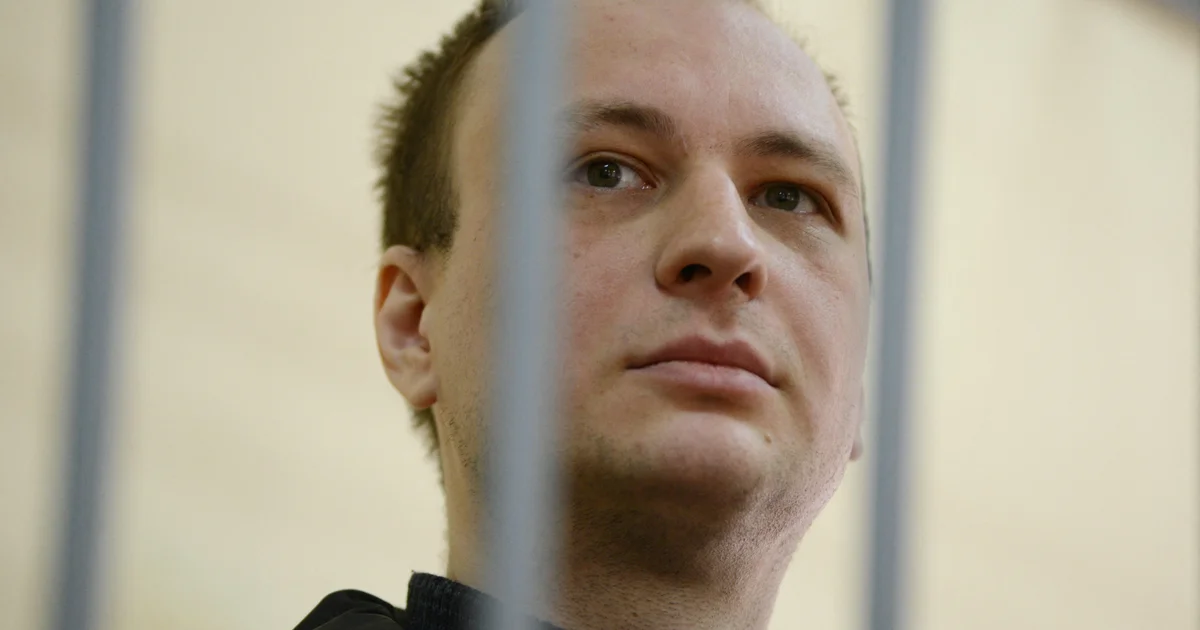

A former U.S. Marine Corps veteran, Robert Gilman, has been hospitalized in serious condition in Russia, raising alarms among advocacy groups and U.S. officials. The situation has prompted calls for his immediate release due to humanitarian concerns, as reports indicate he is being subjected to severe mistreatment while in custody. As the Trump administration engages in diplomatic talks, the fate of Gilman has become a focal point amid increasing tensions between the U.S. and Russia.
| Article Subheadings |
|---|
| 1) A Medical Emergency |
| 2) Allegations of Mistreatment |
| 3) U.S. Government Response |
| 4) Diplomatic Implications |
| 5) Future of American Detainees |
A Medical Emergency
According to reports, Robert Gilman, aged 32, has been in a serious medical condition while being held in a Russian hospital since his detention in 2022. His situation has alarmed family advocates, who have described him as being in a “dissociative stupor.” The current details indicate that Gilman is being fed through a tube which further complicates his health status. The family advocate, Eric Lebson of Global Reach, has raised concerns about the immediate necessity for medical intervention. Given the severity of his condition, his advocates are demanding that prompt action be taken to secure his release on humanitarian grounds.
Allegations of Mistreatment
Eric Lebson has alleged that Russian authorities have subjected Gilman to severe mistreatment during his detention. Reports indicate that he has faced lengthy forced exercise sessions, lasting as long as 16 hours a day, and has been administered psychotropic drugs potentially against his will. These allegations have not been independently verified, nor have Russian officials publicly addressed them. The scope of the reported mistreatment has drawn parallels to cases of other detained Americans, emphasizing the urgent need for humanitarian considerations in Gilman’s case. Additionally, there are claims that Gilman has been pressured to participate in military actions in Ukraine, further illustrating the dangers he faces in captivity.
U.S. Government Response
The U.S. State Department has acknowledged concerns regarding Robert Gilman‘s health and condition. A spokesperson confirmed that the administration has raised his case with Russian officials repeatedly, underscoring that his release is sought on humanitarian grounds. Given both the health concerns being highlighted and the alarming reports of mistreatment, U.S. officials have expressed deep concern regarding Gilman’s prolonged detention. The urgency of the situation has led the government to track his case closely, continuing diplomatic engagement while advocating for his swift return to the United States.
Diplomatic Implications
As the Trump administration contemplates approaches to re-engage with Russia amid ongoing geopolitical tensions, Robert Gilman‘s situation encapsulates the complexities of U.S.-Russia relations. While the administration is evaluating ways to navigate the escalated crisis in Ukraine, the case of Gilman has emerged as a significant factor in discussions. Historically, the U.S. has successfully negotiated the release of detained Americans in Russia, indicating that diplomatic channels are crucial. This case may potentially sway public and governmental perspectives, impacting the broader strategy in future negotiations.
Future of American Detainees
The ongoing situation surrounding Robert Gilman brings into focus the broader issue of American detainees in Russia. Current estimates suggest that as many as ten U.S. citizens may still be held captive in various circumstances within the country. The U.S. government has previously engaged in negotiations that have led to the release of high-profile detainees, including teacher Marc Fogel and former Marine Paul Whelan. The case has raised significant questions about the safety and treatment of Americans abroad, particularly in nations where diplomatic relations are strained. The commitment to securing the release of detainees remains a priority, especially as circumstances for some, like Gilman, appear increasingly dire.
| No. | Key Points |
|---|---|
| 1 | Robert Gilman has been hospitalized and is in serious condition in Russia. |
| 2 | Advocates allege mistreatment including forced exercise and psychotropic drug administration. |
| 3 | The U.S. State Department has raised Gilman’s case with Russian officials. |
| 4 | Gilman’s situation may impact U.S.-Russia diplomatic negotiations. |
| 5 | There are several other Americans currently detained in Russia. |
Summary
The case of Robert Gilman epitomizes the complexities surrounding American detainees in foreign nations, particularly in light of rising geopolitical tensions. His alarming medical condition calls for immediate attention and action from both advocates and the U.S. government, highlighting the critical intersections of humanitarian concerns and international diplomacy. As the Trump administration seeks to navigate the intricacies of U.S.-Russia relations, Gilman’s situation remains a pressing issue that underscores the risks faced by American citizens abroad.
Frequently Asked Questions
Question: Who is Robert Gilman?
Robert Gilman is a former U.S. Marine Corps veteran who has been detained in Russia since 2022 and is currently hospitalized in serious condition.
Question: What allegations have been made regarding his treatment in Russia?
Allegations include mistreatment such as forced exercise for long hours, administration of psychotropic drugs, and pressure to participate in military actions in Ukraine.
Question: What is the U.S. government’s stance on Gilman’s detention?
The U.S. State Department has expressed deep concern regarding Gilman’s health and has continually sought his release on humanitarian grounds during discussions with Russian officials.
