

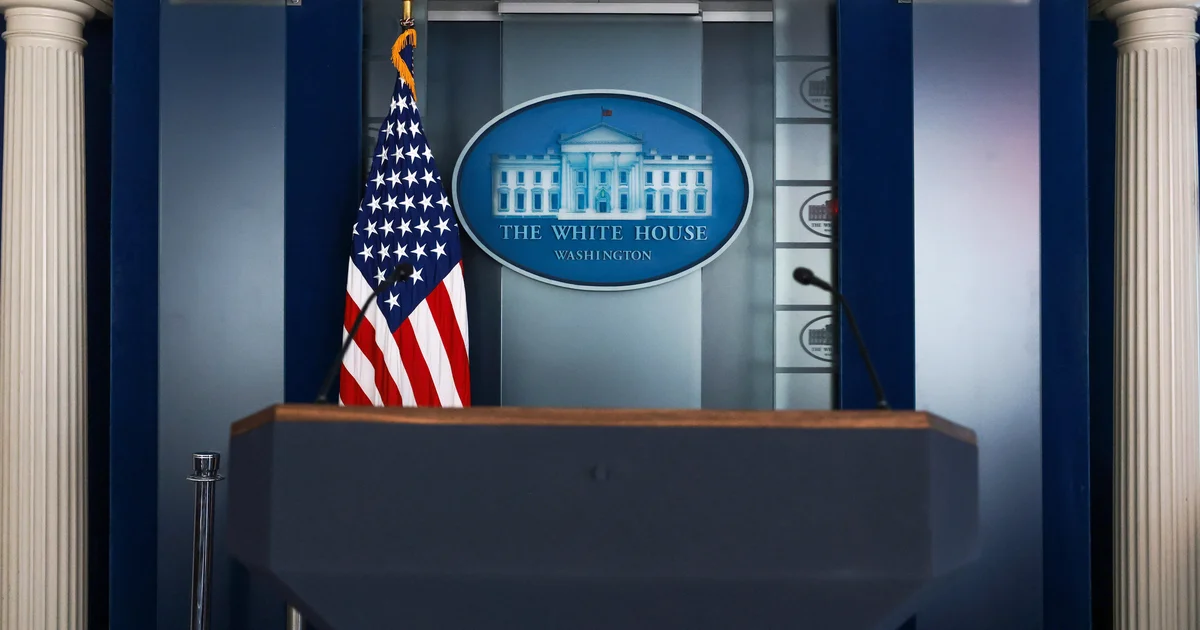

A U.S. District Court judge has issued a temporary restraining order against the Trump administration, reinstating access for CNN, MS NOW, and Politico to the White House. The order was granted following a lawsuit filed by the news outlets, which argued that the bans were unconstitutional and violated their rights to due process. The ruling highlights concerns regarding press freedom and the implications of such bans on journalistic integrity, particularly in light of the First Amendment.
| Article Subheadings |
|---|
| 1) Background of the Case |
| 2) Legal Arguments Presented |
| 3) Reactions from Media Organizations |
| 4) Implications for Press Freedom |
| 5) Next Steps in the Legal Process |
Background of the Case
In a significant move on Thursday morning, U.S. District Judge Timothy Kelly temporarily blocked senior officials from the Trump administration from enforcing a ban against three major news outlets: CNN, MS NOW, and Politico. This action came in response to a lawsuit filed by the organizations after President Donald Trump announced that they would be barred from the White House due to their ongoing coverage, which he labeled as “fake news.” The judge’s ruling reinstated their press credentials and access while the case is further evaluated.
The situation escalated following President Trump’s comments on social media earlier this week, where he explicitly stated that he was banning these outlets due to their alleged poor reporting practices. The administration argued that the outlets had engaged in behaviors that compromised national security and professionalism. These allegations set the stage for a contentious legal battle focusing on First Amendment rights and journalistic integrity.
Legal Arguments Presented
The legal arguments from CNN, MS NOW, and Politico centered on the violation of the First Amendment rights to free speech and press. Their attorneys contended that the ban constituted unconstitutional retaliation against them for their critical coverage of the administration. According to the lawsuit, the lack of notice or a chance to respond to the ban before it took effect represented a grave breach of due process rights.
In Judge Kelly’s eight-page ruling, he indicated skepticism regarding the administration’s claims of national security concerns being the basis for the ban. He noted that the stories used to justify the ban were often “routine” and not sufficiently provocative to warrant such punitive action. The judge highlighted that a clear process must be followed when revoking press credentials, referencing past appellate court cases that established precedents concerning journalistic access.
Reactions from Media Organizations
The legal battle has drawn widespread attention from various media organizations, many of whom have expressed support for the plaintiffs. CBS News, along with other outlets, submitted a friend-of-the-court brief advocating for the rights of CNN, MS NOW, and Politico. They argued that the Trump administration’s reasoning for the bans was transparently discriminatory against certain viewpoints, underscoring a deeper concern about the administration’s handling of press relations.
Furthermore, the press pool, which includes multiple major news outlets, found itself united in the fallout of the ban, with other networks temporarily withdrawing CNN’s access to shared coverage of public events. This collective resistance illustrates a broader solidarity within the journalistic community around established principles of press freedom and accountability.
Implications for Press Freedom
The ramifications of this legal ruling extend beyond the immediate access of the three news organizations. It raises fundamental questions about the role of the press in a democratic society and the extent of executive power over journalistic freedoms. The case underscores the importance of due process and the requirement for transparency and fairness in how the administration interacts with media entities.
Judge Kelly’s hesitance regarding the justification for the ban further emphasizes concerns over the politicization of the press. A ruling affirming the rights of journalists to access public officials, especially in the White House, is critical for maintaining the checks and balances that are vital to a functioning democracy. Furthermore, the outcome of this case could set significant precedents for future conflicts between the White House and the media, potentially impacting how press access is governed across administrations.
Next Steps in the Legal Process
Looking forward, Judge Kelly has issued a temporary restraining order that will remain in effect for 14 days while he deliberates the potential for longer-lasting relief for the affected news organizations. The Justice Department has indicated that it intends to appeal the ruling, signaling that the battle over media access is far from over. In the days to come, further legal arguments will likely be presented as both parties prepare to defend their positions in court.
As the legal processes unfold, the responses from the Trump administration and the department will be scrutinized closely by both journalists and the public. The outcome of this case could have long-term implications regarding the nature of press freedoms in the United States as it relates to executive powers and constitutional rights.
| No. | Key Points |
|---|---|
| 1 | A U.S. District Court judge temporarily reinstated press credentials for CNN, MS NOW, and Politico. |
| 2 | The decision stems from a lawsuit filed after President Trump banned these outlets from White House access. |
| 3 | Legal arguments focused on First Amendment rights and the lack of due process involved in the ban. |
| 4 | The incident highlights significant concerns about press freedom under the Trump administration. |
| 5 | Further legal actions are anticipated as the Trump administration plans to appeal the judge’s decision. |
Summary
The recent ruling by Judge Timothy Kelly highlights critical issues regarding press freedom and the executive branch’s relationship with the media. As important legal questions concerning First Amendment rights come to the forefront, the implications of the ongoing case may resonate far beyond the immediate concerns of three news outlets. The outcome will likely define the boundaries of journalistic access to government officials, ensuring that the principles of transparency and accountability are upheld in a rapidly evolving political landscape.
Frequently Asked Questions
Question: Why were CNN, MS NOW, and Politico banned from the White House?
President Trump announced the ban, citing what he termed as “reporting” that he considered to be “fake news,” and claimed that the outlets had violated standards of professionalism and decorum.
Question: What led to the lawsuit filed by the news organizations?
The lawsuit was filed in response to the ban, arguing it violated the First Amendment rights of the journalists and lacked due process since they were not given notice or a chance to respond to the decision.
Question: What are the broader implications of this case for press freedom?
This case highlights the tensions between government and media, raising significant constitutional questions about the extent to which the executive branch can limit press access and the rights of journalists in a democratic society.
