

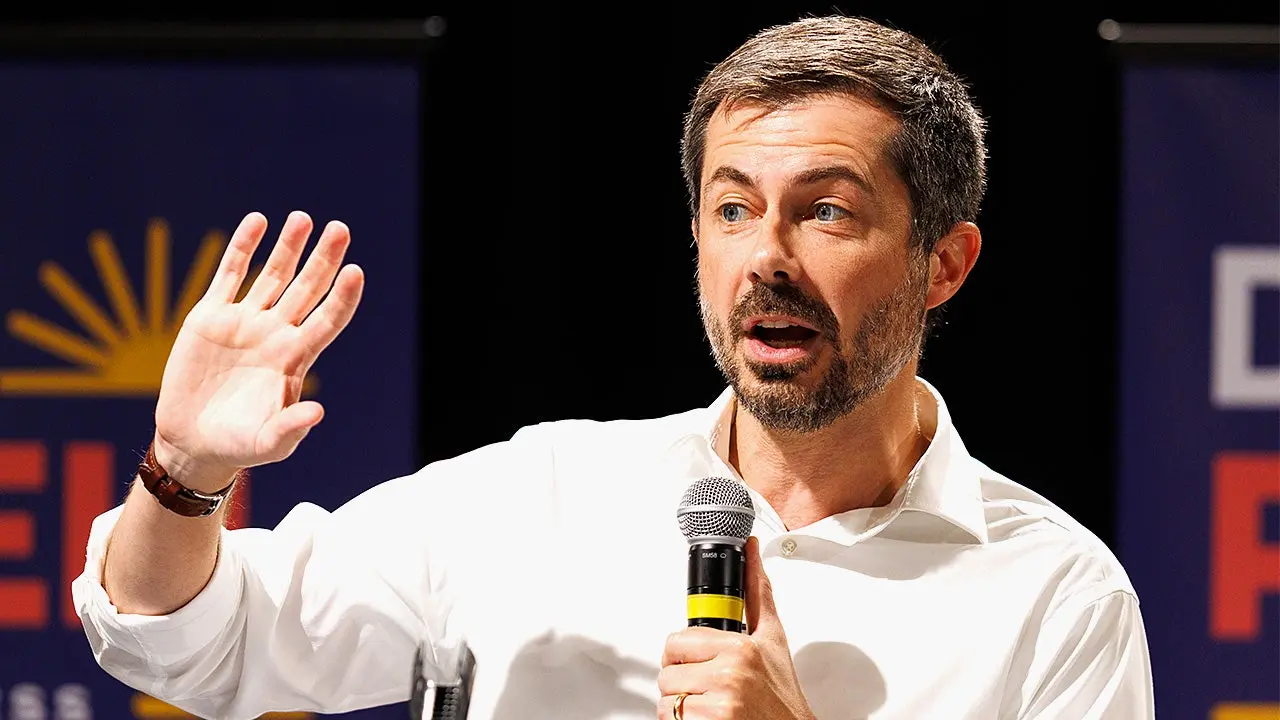

In a recent event in Denver, former Transportation Secretary Pete Buttigieg humorously addressed the challenges faced by air travelers due to a nationwide ground stop ordered by the Federal Aviation Administration (FAA). This incident, which significantly disrupted thousands of flights, has sparked discussions about the reliability and safety of the aviation system in the United States. While Buttigieg offered to help travelers affected by the disruption, officials from the Trump administration provided varying accounts of the technical failure that led to the nationwide stoppage.
| Article Subheadings |
|---|
| 1) Overview of the FAA Ground Stop Incident |
| 2) Buttigieg’s Remarks in Denver |
| 3) Responses from Trump Administration Officials |
| 4) Historical Context of Ground Stops in Aviation |
| 5) The Future of Aviation Safety Protocols |
Overview of the FAA Ground Stop Incident
On Friday, the FAA initiated a nationwide ground stop, a decision that halted all domestic flight departures for several hours. The grounding caused significant delays and cancellations, affecting nearly 7,000 flights and leaving many passengers stranded at airports. The FAA cited essential safety concerns, particularly serious issues related to air traffic control communications, as the primary reasons for the abrupt stop. The ground stop lasted until approximately 8 p.m., when the FAA lifted the restrictions, but travel disruptions continued through the weekend as airlines attempted to recover from the backlog of delayed flights.
This incident marked only the second such nationwide ground stop since the September 11, 2001, terrorist attacks, signaling the severity and unusual nature of the situation. The first ground stop after 9/11 occurred in January 2023, due to a different technical failure in the FAA’s Notice to Air Missions system, which provides critical safety information to pilots. In response to both incidents, there has been increasing scrutiny of the FAA’s operational integrity and technical infrastructure, raising concerns about potential vulnerabilities in the nation’s air traffic systems.
Buttigieg’s Remarks in Denver
While attending the “What’s Next” conference in Denver—an event aimed at leaders within the Democratic Party—former Secretary Pete Buttigieg took the opportunity to comment on the FAA’s ground stop. He lightheartedly remarked, “I will be available in the hotel bar following the concert for anybody who needs to rebook their flights or get a refund per your rights.” His comments came during a gathering that was intended to assess the future direction of the Democratic Party in light of recent electoral victories.
Buttigieg emphasized that despite having no inside information regarding the cause of the ground stop, he was concerned about the implications of such a malfunction. “The system has many redundancies in it, so that normally, if there’s one point of failure, something else can catch it,” he explained. He noted that it was unclear why the safeguards intended to prevent such outages did not function efficiently this time, suggesting a need for reviews and potential improvements within the FAA’s operational protocols.
Responses from Trump Administration Officials
In the aftermath of the ground stop, officials from the Trump administration, including Transportation Secretary Sean Duffy and Homeland Security Secretary Markwayne Mullin, provided explanations regarding the failure. Duffy stated that the root cause of the incident was still under investigation, mentioning that it could have been triggered by a contractor’s mistake or a failure of equipment. Meanwhile, Mullin ruled out a cyberattack or artificial intelligence as contributing factors, attributing the issue instead to aging infrastructure in need of significant updates.
Former President Donald Trump echoed these sentiments, stating that the breakdown of the system was due to its age. The diverse accounts from these officials have fueled confusion and concern over the reliability of the aviation system, prompting calls for thorough investigations into both this incident and the previous ground stop that occurred in early 2023.
Historical Context of Ground Stops in Aviation
Ground stops have historically been uncommon in the United States, with the most notable one occurring just after the September 11 terrorist attacks. In more recent years, the FAA has managed to avoid such widespread disruptions, but events like the January 2023 incident illustrate that technical failures can lead to significant consequences for travelers. Ground stops serve as critical safety measures, but when they do occur, they highlight the fragility of the air traffic control system and the need for robust back-up systems to handle emergencies.
As air travel continues to recover from pandemic-related disruptions, the effectiveness of safety protocols and the reliability of infrastructure will be scrutinized more than ever. Increased passenger volume and the aging nature of equipment used by the FAA necessitate ongoing assessments to ensure the aviation system can withstand unexpected challenges without compromising safety or efficiency.
The Future of Aviation Safety Protocols
The recent ground stop incident has raised important questions about the future of aviation safety protocols and the necessary steps required to address potential vulnerabilities within the system. Experts are urging the FAA to review its current operational frameworks and consider upgrades to both technology and training to better prepare for such events. With a growing consensus that aging infrastructure needs modernization, many stakeholders are advocating for increased federal investment to enhance safety and operational efficiency.
Future strategies may include implementing more rigorous testing of communication systems, investing in backup technologies, and developing new contingency plans that can quickly be activated during emergencies. The aviation industry is at a critical juncture; with the substantial impacts of recent failures, it is vital that all stakeholders—from government departments to airlines and airport authorities—work together to create a safer flight environment for passengers and crew alike.
| No. | Key Points |
|---|---|
| 1 | The FAA issued a nationwide ground stop affecting approximately 7,000 flights due to safety concerns. |
| 2 | Former Transportation Secretary Pete Buttigieg humorously offered to assist stranded travelers at a conference in Denver. |
| 3 | Trump administration officials provided mixed explanations for the technical failure that caused the ground stop. |
| 4 | Ground stops are rarely instituted, marking this incident as only the second since 9/11. |
| 5 | There is an ongoing call for federal investment in the modernization of FAA infrastructure for improved safety and efficiency. |
Summary
The FAA’s recent nationwide ground stop has illuminated significant questions regarding the safety and reliability of the aviation system in the United States. The incident not only disrupted thousands of travelers but also raised concerns about the infrastructure supporting air traffic control. With proposals for modernization of the FAA’s operational systems and the need for robust back-up measures, this event underscores the importance of ensuring passenger safety and the operational readiness of the nation’s aviation infrastructure moving forward.
Frequently Asked Questions
Question: What led to the FAA’s nationwide ground stop?
The FAA ordered the ground stop due to serious air traffic control communication issues and safety concerns, impacting thousands of flights.
Question: How did Buttigieg respond to the flight disruptions?
Buttigieg jokingly offered assistance to travelers needing help to rebook flights during an event in Denver, while expressing concerns regarding the aviation system’s reliability.
Question: What are the implications of aging infrastructure in aviation?
The aging infrastructure in aviation poses risks to safety and operational efficiency, necessitating modernization and increased federal investment to prevent future disruptions.
