

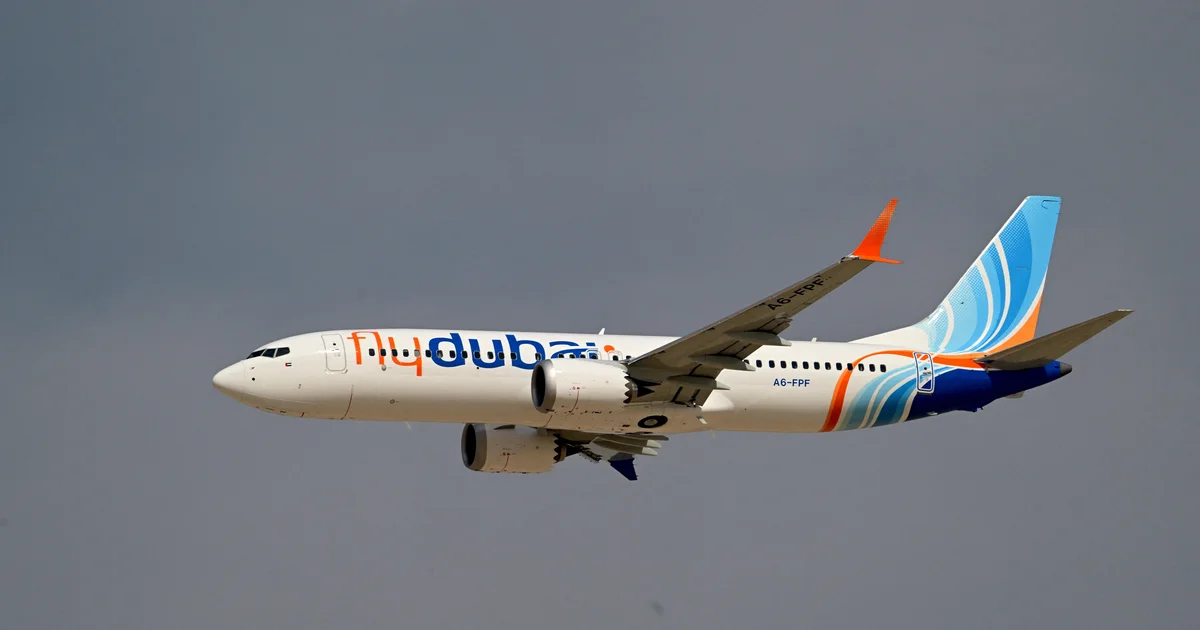

An emergency incident unfolded on a commercial flight from Dubai to Israel, necessitating an emergency landing in Saudi Arabia due to an in-flight altercation between the two pilots. The situation raised alarms over a potential hijacking, prompting Israeli military action, including the scrambling of jets. Fortunately, all passengers aboard the FlyDubai flight were reported safe after the plane landed at a military-civilian site in Tabuk.
| Article Subheadings |
|---|
| 1) Incident Overview: Flight Forced to Land |
| 2) Investigation Insights: Pilots’ Dispute |
| 3) Response Measures: Israel Scrambles Jets |
| 4) Historical Context: Rare Nature of In-Flight Altercations |
| 5) Implications for Future Flights and Safety |
Incident Overview: Flight Forced to Land
On Wednesday, a commercial flight operated by FlyDubai, which originated from Dubai and was en route to Israel, was forced to divert and make an emergency landing in Tabuk, Saudi Arabia. The decision to land was a precautionary measure taken after the aircraft signaled an emergency shortly after takeoff. Reports from Israeli media outlets indicated that the trigger for this emergency was a dispute between the flight’s two pilots. Consequently, this incident momentarily raised fears of a hijacking, leading to heightened response measures involving the Israeli Air Force.
Investigation Insights: Pilots’ Dispute
A regional official knowledgeable about the circumstances reported that a physical confrontation occurred within the cockpit, involving the pilots. This altercation raised questions regarding airline protocols and pilot conduct under stress, although specific details regarding the cause of the dispute have not been disclosed due to the ongoing investigation. The officials involved in the case requested anonymity as the inquiry is still in the early stages. Fortunately, despite the concerning nature of the conflict, all passengers and crew members on board reported as safe upon landing in Saudi Arabia.
Response Measures: Israel Scrambles Jets
Upon receiving the emergency alert, the Israeli government rapidly initiated a military response, scrambling fighter jets to monitor the situation closely. The fear of a hijacking was particularly sensitive, given recent escalated security threats highlighted by Israeli Prime Minister Benjamin Netanyahu. His office later verified that the incident was contained effectively, reassuring the public that the situation was under control and that efforts were being made to return the passengers to safety and home.
Historical Context: Rare Nature of In-Flight Altercations
Although incidents involving in-flight altercations between pilots are uncommon, they do occasionally occur; for example, in 2022, two Air France pilots were suspended after engaging in a physical fight on a Geneva to Paris flight. However, that flight continued to its destination without diversion. Airline operators typically enforce strict codes of conduct and training to manage cockpit resources effectively, which ideally minimizes such violent interactions. The rarity of such incidents aids in maintaining confidence among passengers regarding flight safety.
Implications for Future Flights and Safety
This incident raises broader questions about air travel security protocols, especially between nations with newly normalized ties, such as Israel and the United Arab Emirates. Although Israel has not faced a hijacking in decades, their rigorous airport security remains one of the strictest globally. The recent events could prompt airlines and governments to review their security measures, particularly focusing on the comprehensive training and management of airline crews to prevent future in-flight disturbances.
| No. | Key Points |
|---|---|
| 1 | A FlyDubai flight from Dubai to Israel made an emergency landing in Saudi Arabia due to a cockpit altercation between the pilots. |
| 2 | The Israeli military responded by scrambling jets amid fears of a possible hijacking. |
| 3 | All passengers were reported safe after the plane landed at a military-civilian base in Tabuk. |
| 4 | This incident highlights both the rarity of in-flight disturbances and the strict security measures in place to address potential threats. |
| 5 | The situation may prompt a review of airline crew training and safety protocols to prevent future incidents. |
Summary
The emergency landing of a FlyDubai flight due to a cockpit dispute underscores the importance of maintaining stringent security protocols in the aviation industry. As global travel continues to evolve following diplomatic normalization between nations, ensuring passenger safety must remain a paramount focus. The incident serves as a reminder of the complexities involved in air travel and the ongoing need for effective training, rapid response measures, and robust safety protocols.
Frequently Asked Questions
Question: What triggered the emergency landing of the FlyDubai flight?
The emergency landing was triggered by a dispute between the pilots in the cockpit, which raised safety concerns and prompted the aircraft to divert to Tabuk, Saudi Arabia.
Question: What action did Israel take in response to this incident?
Israel scrambled fighter jets to monitor the situation amid fears of a potential hijacking, reflecting their heightened security precautions given recent threats.
Question: How does this incident impact future airline security measures?
The incident may lead to a review of current airline safety protocols and crew training, emphasizing the need for effective conflict resolution strategies within the cockpit to mitigate future risks.
