

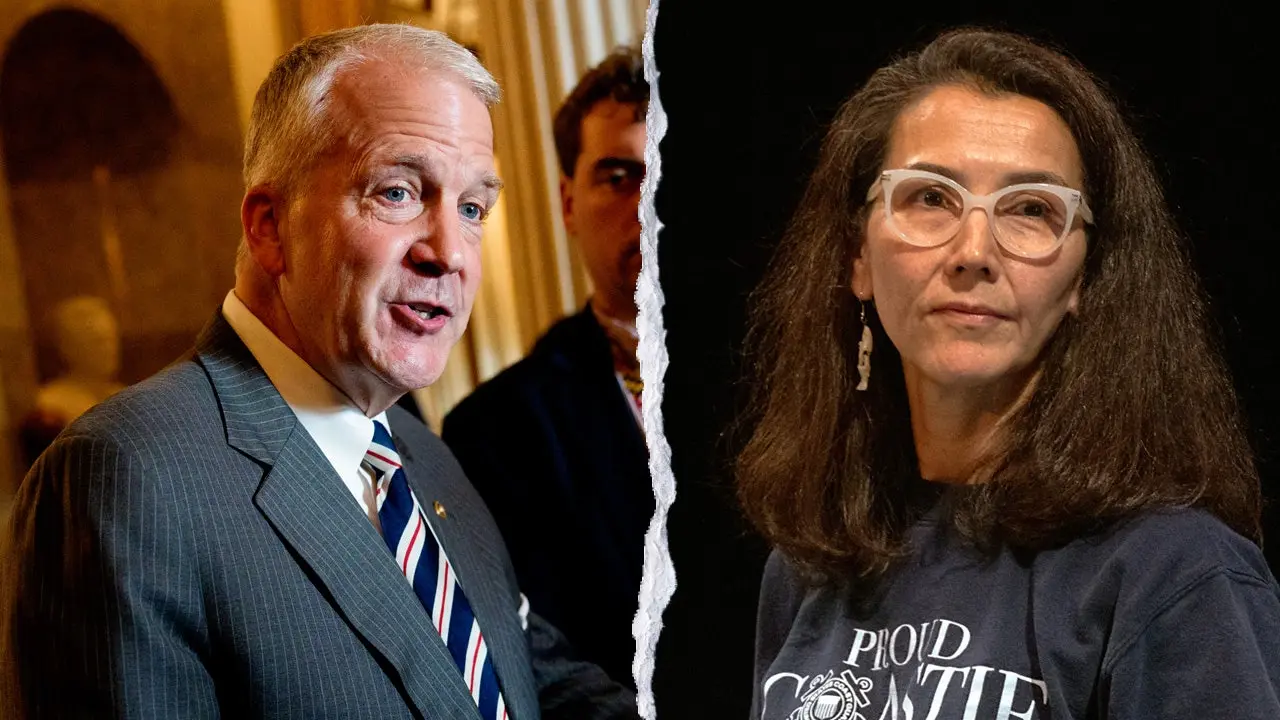

A recent investigation by The New York Times has uncovered an alleged scheme involving operatives connected to Democratic Senate candidate Mary Peltola and the Democratic Senatorial Campaign Committee (DSCC). Reports suggest an effort to recruit a candidate named Dan J. Sullivan to create electoral confusion by running alongside incumbent Republican Dan Sullivan in the Alaska Senate race. The revelation comes at a critical time as nearly 58,000 voters in Alaska have already cast their ballots ahead of the November election, raising concerns about potential voter confusion regarding candidate names and affiliations as well as questions surrounding the integrity of the electoral process.
| Article Subheadings |
|---|
| 1) Allegations of Voter Manipulation Unfold |
| 2) The Role of Ranked-Choice Voting |
| 3) Reactions and Denials from Campaigns |
| 4) Legal Implications and DOJ Involvement |
| 5) The Impact on the Election |
Allegations of Voter Manipulation Unfold
The investigation by The New York Times alleges a coordinated effort led by operatives affiliated with Mary Peltola and the DSCC to recruit potential spoiler candidates, specifically one named Dan J. Sullivan. This move appears designed to mislead voters in the upcoming Senate election by introducing a candidate with a similar name as the sitting Republican senator, which could likely create confusion among voters—especially those who may not be well-versed in the political landscape. The timing of this revelation raises significant concerns, given that roughly 58,000 registered voters in Alaska had cast their ballots already when the report emerged.
Alaska is traditionally a red state, but Peltola’s possible tactics could indicate a strategic attempt by her campaign to level the playing field. Such a maneuver, aiming to segment the votes between the two individuals named Dan Sullivan, could potentially impact the overall election outcome. The threshold for a successful campaign in this scenario may heavily rely on the ability of voters to distinguish between the two candidates based solely on their first names, a situation many find disconcerting.
The Role of Ranked-Choice Voting
The introduction of ranked-choice voting in Alaska complicates the dynamic of this election further. Under the ranked-choice system, voters have the opportunity to rank their preferred candidates rather than solely selecting one. If a voter’s top choice does not obtain enough support to succeed, their vote is reallocated to their next preferred candidate. Advocates of this electoral method argue it enhances voter representation and allows for greater electoral engagement; however, critics contend it introduces unnecessary confusion, especially in a scenario where similar names abound.
Opponents of this voting method, such as Alaska state Senator James Kaufman, express concerns about “ballot fatigue.” Kaufman notes that some voters may hesitate to rank both candidates named Sullivan due to confusion, which, in turn, may deter them from participating in the process entirely. His perspective reflects a traditionalist view that some voters hold; they believe in the principle of “one person, one vote,” and are resistant to adopting the ranked-choice voting method due to discomfort with its execution.
Reactions and Denials from Campaigns
In the wake of the allegations, both Mary Peltola’s campaign and the DSCC have denied any involvement in the scheme to recruit a spoiler candidate. Their public stance emphasizes a commitment to a fair election process. However, findings from the investigation, including interviews, text messages, and internal documents, suggest otherwise. Sources claim that Peltola was aware of the efforts to manipulate the ballot, inciting further skepticism regarding the integrity of the election.
Critics of Peltola’s campaign strategy amplify their critiques, portraying her as willing to exploit legal loopholes and moral ambiguities to gain political leverage. As the November election date approaches, such allegations may cast a shadow over her campaign, possibly deterring some undecided voters who prioritize ethical conduct in political contests. With voter sentiment rapidly evolving, maintaining public trust will be crucial for all candidates involved.
Legal Implications and DOJ Involvement
Last week, the Department of Justice (DOJ) filed a lawsuit requesting a delay in the certification of election results should Dan Sullivan defeat. The DOJ cites potential confusion among voters caused by the namesake candidates, arguing it could undermine the election’s integrity. Legal experts express uncertainty regarding the likelihood of the DOJ’s success on these grounds, given the complexities surrounding electoral processes.
The implications of this lawsuit could extend far beyond the current election cycle, as it touches upon broader issues of electoral fairness, voter rights, and the efficacy of ranked-choice voting systems. If the court sides with the DOJ, it could set a precedent impacting future elections in Alaska and other states that employ similar electoral frameworks, effectively challenging the established norms of candidate eligibility and voter participation.
The Impact on the Election
With less than a week before the general election, the atmosphere in Alaska is palpable with mounting tension and uncertainty. The potential ramifications of the reported activities surrounding Peltola and the DSCC’s alleged efforts create a complicated scrim over voter decision-making. The challenge for Alaskan voters involves navigating through layers of confusion stemming from not just the candidates’ names but also the ranked-choice voting system itself.
As voters approach the polls, their decisions may be heavily influenced by their perceptions of the candidates’ integrity and the fairness of the electoral process. The culmination of competing narratives surrounding candidate strategies, accusations of voter manipulation, and the complexity of voting methods creates an environment ripe for controversy. Whether or not the alleged efforts to introduce a confusing candidate could materially affect the outcome remains an open question, but the situation undoubtedly highlights ongoing tensions in American electoral politics.
| No. | Key Points |
|---|---|
| 1 | Allegations suggest operatives associated with Mary Peltola coordinated efforts to recruit a name-similar candidate to muddy the electoral waters in Alaska. |
| 2 | The ranked-choice voting system in Alaska adds layers of complexity and confusion for voters in the upcoming election. |
| 3 | Both Peltola’s campaign and the DSCC have denied involvement in the alleged scheme, despite emerging reports suggesting otherwise. |
| 4 | The DOJ’s proposed legal actions could significantly influence the future of election integrity and procedural norms in Alaska. |
| 5 | Public sentiment surrounding the candidates may be heavily affected by the unfolding criticism and allegations, impacting overall voter turnout. |
Summary
The unfolding saga surrounding the Alaska Senate race highlights critical issues regarding electoral integrity, voter discernment, and the complexities of ranked-choice voting. With both sides grappling with controversy, the outcome of the election may unveil wider implications for campaigns and elections nationally. As Alaskan voters approach the polls, the significance of informed decision-making remains underscored, with potential ramifications well beyond the immediate race at hand.
Frequently Asked Questions
Question: What are the concerns surrounding the alleged voter manipulation in Alaska?
The allegations suggest operatives associated with Mary Peltola attempted to recruit a similarly named candidate to confuse voters, potentially skewing election results.
Question: How does ranked-choice voting affect Alaska’s electoral process?
Ranked-choice voting allows voters to rank candidates in order of preference. While it can enhance representation, critics worry it creates confusion, especially in closely-named candidates’ scenarios.
Question: What is the Department of Justice’s role in the Alaska Senate race?
The DOJ has filed a lawsuit seeking to delay the certification of the election results should Dan Sullivan be defeated, arguing that the confusion caused by candidates with similar names could undermine the election’s integrity.
