

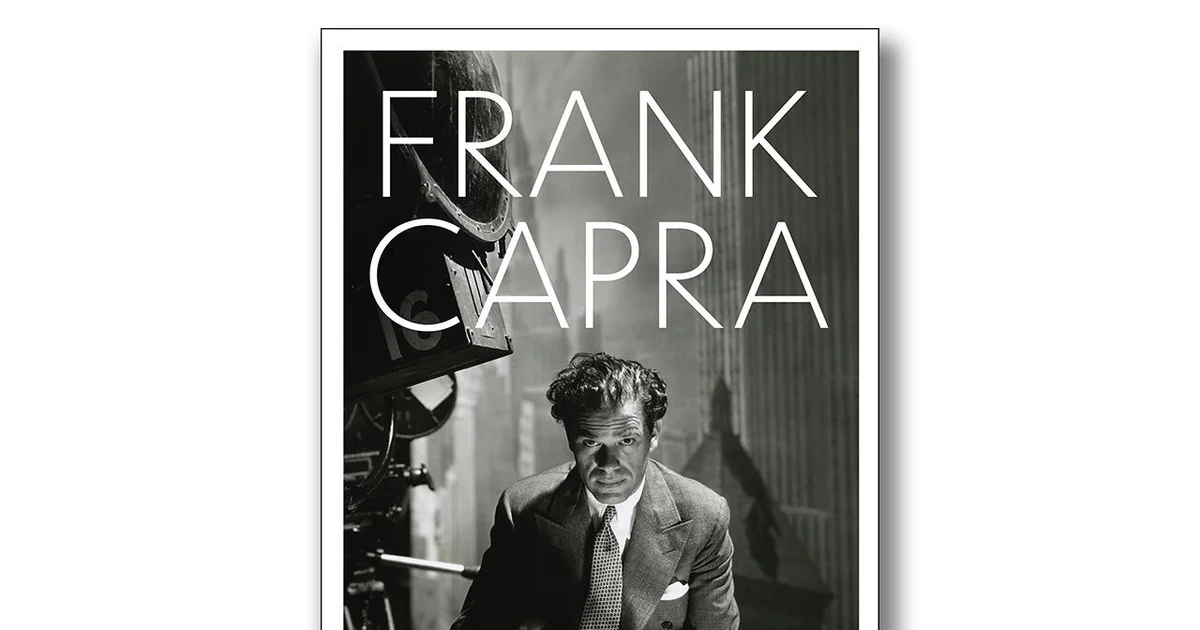

In a revealing glimpse into Hollywood’s past, the esteemed actor Jimmy Stewart faced considerable apprehension as he returned to the silver screen following his service in World War II. This anxiety centered around his role in the iconic film It’s a Wonderful Life, directed by the legendary Frank Capra. A recent biography explores the transformative experience that Stewart underwent during this time, illuminating not only his struggles but the ominous shadow the war cast over his career and mental wellbeing.
As Sam Wasson details in his biography, the journey taken by Stewart under Capra’s direction created a cinematic classic that remains resonant to this day. The contrast between Stewart’s former fame and his newfound fears as a veteran offers a poignant snapshot of a pivotal era in both his life and the film industry.
This article delves deeper into the specific elements surrounding Stewart’s return to Hollywood after the war, revealing the fears he faced, the character he embodied, and the enduring impact of Capra’s mentorship.
| Article Subheadings |
|---|
| 1) The Fear of Returning |
| 2) A Role Tailored to His Life |
| 3) Behind the Camera |
| 4) A New Romance Blossoms |
| 5) The Film’s Legacy |
The Fear of Returning
After the tumultuous experiences of World War II, Jimmy Stewart found himself grappling with an array of fears and anxieties as he prepared to return to Hollywood. Having served as an officer in the U.S. Army and accumulated over 2,000 flying hours during the war, the transition from military life back to acting was daunting. His initial fear was that the charm and presence that had endeared him to audiences prior to the war had faded during his absence.
In his first public outing post-war, Stewart was mistakenly identified as another actor, highlighting how the film industry had shifted during his service. The cultural landscape had altered, and he feared whether audiences still remembered him. This sense of disorientation was punctuated by an overwhelming sense of nervousness that made engaging in performances feel all the more intimidating.
During conversation with friends, he candidly acknowledged, “The truth is I’m scared as hell.” That sentiment was not merely an expression of fear regarding acceptance but also a profound emotional struggle stemming from the traumas undertaken in war. The weight of such experiences had left a mark on him, instilling a deep-seated hesitance in his ambitions moving forward.
A Role Tailored to His Life
In a turn of fortuitous events, Frank Capra offered Stewart a role that reflected his own personal journey of resilience and hope: George Bailey in It’s a Wonderful Life. The screenplay was familiar territory for Stewart; it echoed the values and struggles of his reality, allowing him to channel his emotions effectively into his character.
The production marked a pivotal moment, enabling Stewart to showcase his talent in a role that resonated deeply with his experiences. Capra’s direction was instrumental in aiding Stewart’s return to film, but it was the portrayal of George Bailey that revealed Stewart’s emotional depth, facilitating a connection with audiences that transcended the screen.
His apprehension lingered, however, as the film was set against a backdrop of an evolving society, with viewers possibly having altered expectations from film stars due to the transformations brought by the war. The anticipation of performance left him on edge, worried that neither he nor the film might meet the hopes of its audience.
Behind the Camera
Capra himself was navigating a precarious period in his career. Without the assistance of his usual collaborators, Capra faced tension and uncertainty while developing the film’s script. This unpredictability added another layer of anxiety as he sought to craft a narrative that would do justice to both Stewart’s return and the spirit of the post-war era.
As filming commenced on April 15, 1946, Capra deliberately planned to film in sequence, hoping that this approach would help alleviate both his and Stewart’s apprehensions. The opening scenes, filmed amidst the exuberance of a high school dance, provided a celebratory atmosphere that stood in stark contrast to the weight of the soldiers’ wartime experiences.
The film’s lighting, choreography, and direction intermingled to foster a light-hearted initial tone that facilitated a smoother transition into the more emotional depths of the story. Acknowledging that the essence of filmmaking is to capture raw authenticity, Capra concentrated on creating a friendly and supportive environment on set that helped alleviate tension for Stewart.
A New Romance Blossoms
In It’s a Wonderful Life, the character of Mary Hatch was brought to life by Donna Reed, who was cast for her genuine freshness. Capra saw in Reed the innocence and emotional authenticity that would complement Stewart’s character, facilitating a romantic connection that played a critical role in the film.
Stewart’s interaction with Reed on their first day of filming reflected a combination of on-screen chemistry and genuine nervousness stemming from their real-life introduction. During a critical scene where Mary asks George if he will walk her home, Stewart’s responsive stumble conveyed a sense of vulnerability that resonated not only with the character but also with his own recent experiences as a veteran. The rapport established on set created a compelling dynamic, allowing audiences to witness a natural romance unfold amidst a captivating narrative.
The authenticity portrayed through their relationship added depth to the film, making it relatable and timeless, further solidifying its place in cinematic history. This element outshined mere romance, transforming it into an emblem of hope and connection that audiences could relate to on multiple levels.
The Film’s Legacy
Upon its release, It’s a Wonderful Life faced challenges but ultimately became a cornerstone of American cinema. The film not only rejuvenated Stewart’s career but has persistently served as a classic celebrated for its uplifting themes and emotional storytelling. Over the decades, it has resonated deeply with generations of viewers, leading many to deem it one of the greatest films ever made.
The enduring impact of this film is underscored by its annual resurgence during the holiday season, gripping audiences anew with its message of hope, family, and community. Stewart’s portrayal of George Bailey—marked by a mix of humility and boldness—reflects traditional values that resonate just as strongly today as they did in the post-war 1940s.
Ultimately, the collaboration between Stewart and Capra stands as a testament to the healing power of storytelling amidst personal and societal upheaval. Their joint triumph in It’s a Wonderful Life has secured its status as not just a film but a cultural phenomenon capable of inspiring the spirit of resilience and joy in countless audiences.
| No. | Key Points |
|---|---|
| 1 | Jimmy Stewart faced immense anxiety about returning to Hollywood post-war. |
| 2 | His role in It’s a Wonderful Life resonated deeply with his personal experiences. |
| 3 | Frank Capra’s direction and script challenges added pressure to the filming process. |
| 4 | The chemistry between Stewart and Donna Reed enhanced the film’s authenticity. |
| 5 | The film’s enduring legacy continues to inspire audiences, especially during the holiday season. |
Summary
The journey of Jimmy Stewart as he navigated his return to Hollywood through It’s a Wonderful Life remains a poignant exploration of talent, vulnerability, and resilience. His collaboration with Frank Capra facilitated not only a remarkable comeback but also cemented an enduring legacy. This film has transcended its time, continuing to resonate with audiences and emphasize the power of human connection against the backdrop of the struggles faced by those who serve and return home.
Frequently Asked Questions
Question: What themes are explored in It’s a Wonderful Life?
The film delves into themes of hope, the importance of community, personal sacrifice, and the interconnectedness of lives within a community.
Question: How did World War II impact Jimmy Stewart’s career?
Stewart’s experiences as a soldier left him with emotional scars, deeply impacting his confidence and approach to returning to acting after the war.
Question: Why is It’s a Wonderful Life considered a classic?
The film is celebrated for its heartwarming narrative, relatable characters, and profound messages about life, making it a timeless favorite during the holiday season.
