

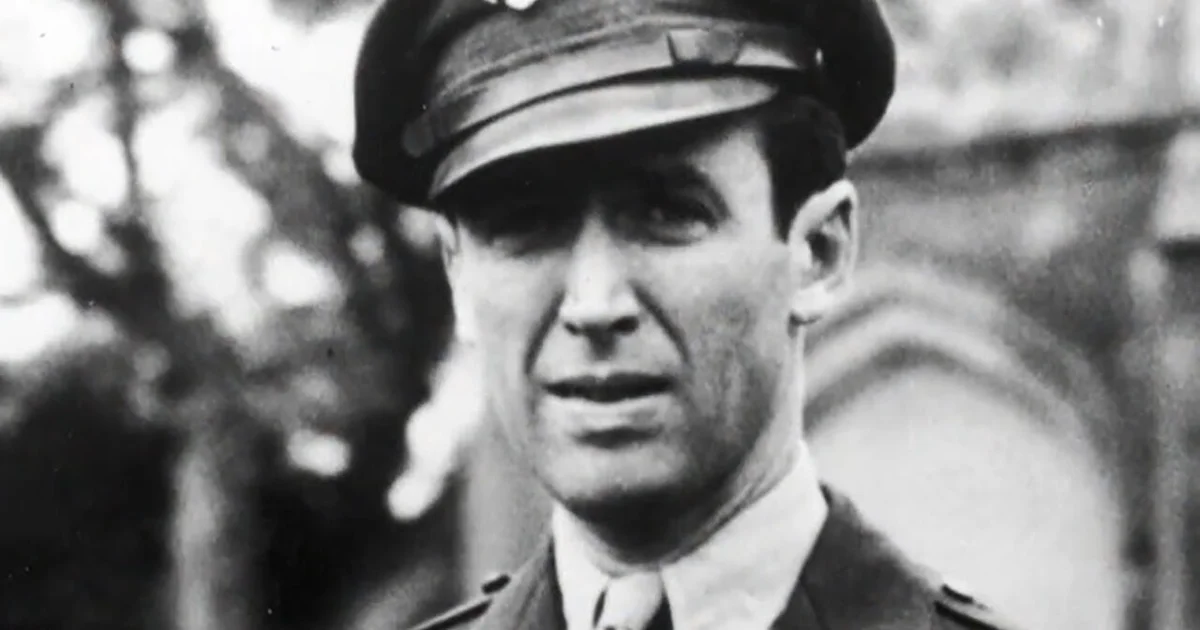

The legacy of actor Jimmy Stewart continues to resonate deeply, particularly through his iconic role in “It’s a Wonderful Life.” Directed by Frank Capra, the film is notable not just for its holiday spirit but also marks Stewart’s return to the big screen after a significant hiatus due to World War II. A new film titled “Jimmy” explores Stewart’s remarkable journey, particularly his wartime service as a pilot, which profoundly impacted his life and career. Featuring an impressive performance by K.J. Apa as Stewart, the film provides a lens into the actor’s internal struggles and sacrifices during and after the war.
| Article Subheadings |
|---|
| 1) The Boy Next Door: Jimmy Stewart’s Rise to Fame |
| 2) The Call of Duty: Enlisting in the Army Air Corps |
| 3) The Impact of War: Psychological Aftermath |
| 4) The Unforgettable Role: From Soldier to George Bailey |
| 5) Reflecting on Legacy: Stewart’s Enduring Influence |
The Boy Next Door: Jimmy Stewart’s Rise to Fame
Born on May 20, 1908, in Indiana, Pennsylvania, Jimmy Stewart emerged as one of America’s most beloved actors. His distinctively earnest and accessible persona made him a favorite in films spanning various genres, from romantic comedies to gripping dramas. Stewart’s breakthrough role came in 1938 with “You Can’t Take It With You,” but it was his performance in “Mr. Smith Goes to Washington” in 1939 that truly established him as a cinematic icon. As a boyish idealist thrust into the murky waters of political corruption, Stewart’s portrayal resonated with audiences during a tumultuous time in American history.
His versatility was evident; he played a range of characters, from the innocent to the morally complex. However, it was not only his acting skills that endeared him to audiences; it was the underlying values that he portrayed. Stewart’s characters often exemplified resilience and fundamental goodness, making him a perfect fit for optimistic narratives during the uncertain pre-war era.
The Call of Duty: Enlisting in the Army Air Corps
Despite his thriving career, the onset of World War II prompted Stewart to make a profound decision regarding his future. While many in Hollywood sought ways to avoid service, Jimmy Stewart chose to enlist in the Army Air Corps. His patriotism and sense of duty culminated in this choice; his dedication to serving his country exceeded his desire for fame. Notably, he was already a skilled pilot, having earned a pilot’s license in the 1930s, which facilitated his enlistment.
As Janie McKirgan, curator at the Jimmy Stewart Museum, noted, “He knew that America needed good pilots; he was one.” However, the Army Air Corps faced the dilemma of needing skilled pilots while wanting to protect Stewart’s public image. During the war, many officials were wary of sending a star like Stewart into combat, fearing the impact his potential loss might have on troop morale and public sentiment. Eventually, his determination and commitment to serve saw him assigned to active duty, distinguishing him as an actor who was willing to fight for his beliefs, even at the peak of his career.
The Impact of War: Psychological Aftermath
Jimmy Stewart’s military service was anything but easy. As a combat pilot, he flew twenty missions over Europe, facing enemy fire and witnessing the harsh realities of war. The psychological toll of these experiences was profound, with many veterans of this era suffering psychological repercussions. Stewart was no exception. In later years, his daughter Kelly Stewart Harcourt revealed that he struggled with post-war trauma, describing how he would occasionally suffer from nightmares, depression, and anxiety—symptoms now recognized as PTSD.
The film “Jimmy” explores these experiences, illustrating how the horrors encountered during the war shaped Stewart’s character long after the fighting ceased. The struggles he encountered during and after his service are woven into the narrative, shedding light on the more human side of this celebrated actor. Harcourt’s reflections on her father’s silence regarding his war experiences reveal the deep-seated struggles many veterans faced while attempting to reintegrate into civilian life. As she poignantly recalls, “Dad never talked about his military service to us.” This highlight of personal sacrifice and trauma reveals the complexity of Stewart’s character, as he grappled internally with his wartime experiences while trying to return to a normal life in Hollywood.
The Unforgettable Role: From Soldier to George Bailey
After returning to Hollywood and resuming his career, Stewart found himself faced with the daunting task of overcoming his demons. His return was marked by the release of “It’s a Wonderful Life” in 1946, a film that would eventually become a timeless classic. Directed by Frank Capra, the film provided a unique lens through which Stewart could channel his inner struggles. The lead character, George Bailey, is a man at his breaking point, mirroring some of the turbulence Stewart experienced upon returning from service.
“You can’t pull off that performance without feeling like that,” noted Harcourt regarding her father’s portrayal of Bailey. The film is rife with themes of despair, hope, and the yearning for connection—emotions that resonated with Stewart’s own battles, both on and off the battlefield. As Bailey, he embodies a spirit of resilience that encapsulates not only the American ethos but also the personal struggle many faced post-war. The fleeting moments of despair followed by uplifting triumph reflect the highs and lows of Stewart’s own journey, making his performance all the more powerful and relatable.
Reflecting on Legacy: Stewart’s Enduring Influence
Throughout his career, Jimmy Stewart would go on to star in over 50 films after “It’s a Wonderful Life.” Each role exemplified his unique ability to blend vulnerability with strength. Beyond his film contributions, Stewart’s wartime service remained a crucial aspect of his legacy. In recognition of his dedication and bravery, Stewart was honored at the Kennedy Center in 1983 with an emotional tribute from cadets at the U.S. Air Force Academy, a moment that amplified his standing as a hero in both Hollywood and nation.
Stewart’s life and career serve as an enduring reminder of the impact of personal sacrifice, loss, and resilience. “Jimmy” endeavors to capture this complexity, portraying an actor who gave up fame to fight for a cause he believed in while illustrating the duality of being a soldier and a superstar. Today, Stewart’s legacy as a performer who took risks on and off the screen endures. His sacrifice and those of countless others during WWII provided the framework for the freedom that defines American life today, rendering him not just a Hollywood icon but an enduring symbol of integrity and commitment.
| No. | Key Points |
|---|---|
| 1 | Jimmy Stewart rose to fame through his relatable roles in classic films. |
| 2 | He chose to enlist in the Army Air Corps, exemplifying patriotism during WWII. |
| 3 | Stewart faced emotional struggles post-war, including symptoms of PTSD. |
| 4 | His portrayal of George Bailey in “It’s a Wonderful Life” reflects his wartime experiences. |
| 5 | Stewart’s legacy includes not only his cinematic contributions but also his military service. |
Summary
The multifaceted life of Jimmy Stewart, marked by both his illustrious film career and his service as a combat pilot, reveals the complexities of a man who sought to balance duty and a passion for storytelling. The new film “Jimmy” not only revisits Stewart’s Hollywood legacy but also brings to light the darker aspects of his military experience that shaped him into the compassionate and relatable figure audiences cherished. Through the lens of his iconic role in “It’s a Wonderful Life,” Stewart’s journey of personal sacrifice and triumph resonates strongly, embodying the spirit of a generation that faced both the fears of war and the hopes of a brighter future.
Frequently Asked Questions
Question: What film marked Jimmy Stewart’s iconic return to Hollywood post-WWII?
“It’s a Wonderful Life” marked Stewart’s significant return to Hollywood after an almost five-year hiatus due to his military service.
Question: How did Stewart’s military service impact his career?
Stewart’s wartime experiences influenced his acting, allowing him to portray deeply nuanced characters that reflected his struggles and resilience post-war.
Question: In what ways does the film “Jimmy” explore Stewart’s personal life?
“Jimmy” delves into Stewart’s experiences during and after the war, showcasing his internal battles with PTSD and the profound transformation he underwent upon returning from combat.
