

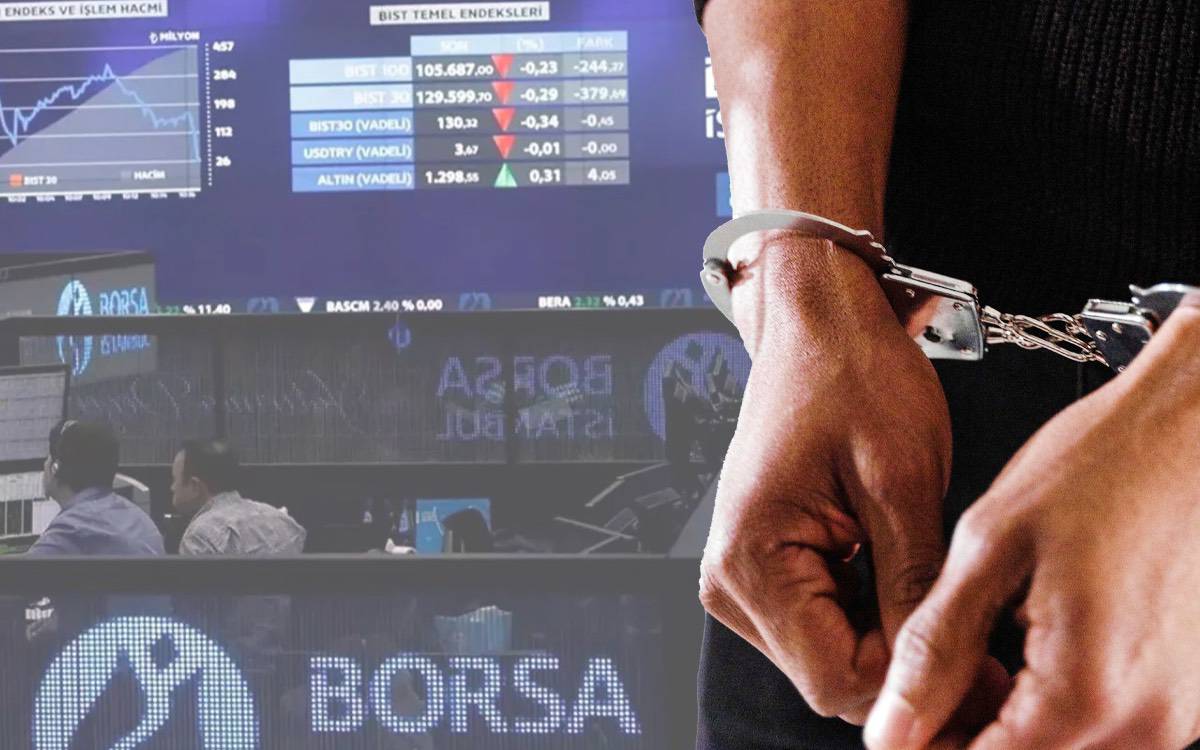

The ongoing investigation into Turkey’s investment fund has expanded to encompass numerous notable figures, including serving regulators, former senior financial officials, and various political figures. As the probe unfolds, authorities are pursuing extensive prison sentences for journalists who reported on the case, highlighting the growing tensions surrounding freedom of the press in a politically charged environment. This development has raised concerns over the integrity of financial oversight and the implications for political accountability in Turkey.
| Article Subheadings |
|---|
| 1) Widening Allegations Against Financial Officials |
| 2) Arrests and Charges on Journalists |
| 3) Political Fallout and Implications for Governance |
| 4) The Role of Media in the Investigation |
| 5) Broader Societal Reactions and Future Implications |
Widening Allegations Against Financial Officials
The investigation into Turkey’s investment fund has seen significant developments in recent days. A central figure in this inquiry is Mustafa Alper Taş, who is currently the head of the Fourth Implementation Department at the Banking Regulation and Supervision Agency (BDDK). He was arrested on November 3, following a four-day detention, under serious bribery allegations. The breadth of this investigation signifies a severe cracking down on financial misconduct, prompting a close examination of regulatory officials and their connections to potential corruption.
Other high-ranking officials have also come under scrutiny. On the same day as Taş’s remand, former officials including Enver Usca, who served as deputy chair for the Capital Markets Board (SPK), and Ercan Urkan, former head of the Market Surveillance Department, were also remanded based on similar bribery allegations. The charges reflect increasingly serious concerns over the integrity of financial institutions and regulatory bodies in Turkey, with the ongoing investigation revealing an escalating list of suspects, including former deputy ministers and board members from significant financial organizations.
The modus operandi of the investigation indicates a deep-rooted concern about systemic issues within these financial institutions, especially incorrect dealings surrounding major market tools. For instance, the liquidation of over 130 investment funds, initiated in September, arose out of liquidity crises that were apparently influenced by improper management and regulatory oversight. With the involvement of figures such as Fatma Betül Sayan Kaya, a former Family Minister who recently resigned from the ruling Justice and Development Party (AKP), the ties between political influence and alleged financial corruption raise significant questions about governance in the country. Kaya faces accusations of violating the Capital Markets Law and potential affiliations with criminal organizations, particularly concerning late trades and access to nonpublic data, which she staunchly denies.
Arrests and Charges on Journalists
In a parallel development, the investigative wave has also targeted journalists who have reported on the financial debacle. Authorities detained at least five journalists, notably Mustafa Balcı and Şaban Sevinç, under allegations of publicly disseminating misleading information linked to government figures involved in the investigation.
“Their reports have become focal points for a broader narrative constructed around official scrutiny and accountability,”
noted legal analysts. Prosecutors are seeking lengthy prison sentences for these journalists, with terms reaching nearly ten years for Balcı and even longer for Sevinç, exacerbating concerns regarding press freedom in Turkey.
Further investigations have involved other notable names such as İsmail Saymaz and Murat Ağırel, both of whom were initially released but later faced constraints like travel bans and house arrest. The authorities accuse them of revealing confidential information concerning financial dealings associated with government officials. Amid these developments, public discussions have increasingly interrogated the threshold between journalistic freedom and accountability, straddling the line between responsible reporting and state interests. A reliance on social media platforms to share potentially sensitive information has also added complexity to how these cases are perceived and the legal grounds upon which they rest.
Political Fallout and Implications for Governance
As the investigation unfolds, the ramifications extend broadly across Turkey’s political landscape. Justice Minister Akın Gürlek announced that the ongoing inquiry includes 433 suspects, a staggering figure that emphasizes the potential pervasiveness of the alleged corruption network. Yet, the implications of these findings stretch further than typical administrative actions, opening the door for discussions around political integrity and governance.
“Turkish society is now keenly observing how justice operates amid political accountability,”
noted governance experts.
The investigation suggests that the alleged corruption is not only systemic but is also intertwined with public sentiment about financial governance. The public’s response has been multifaceted, with many expressing support for sweeping reforms and accountability measures. The division within public perception regarding the ruling party’s ability to handle this crisis could have lasting effects on the AKP’s grip on power, particularly as the political environment becomes increasingly polarized.
The Role of Media in the Investigation
Media scrutiny is playing a critical role in shaping public exposure to the ongoing financial scandal, as journalists working under immense pressure continue to unearth critical stories. However, the crackdown on journalists by prosecutors reveals a chilling atmosphere for those covering the investigation. Clearly, the media’s role as a watchdog is being threatened, providing a fraught narrative wherein reporting can lead directly to incarceration or detention. The use of the “disinformation” provision against media personnel raises discussions regarding the importance of safeguarding journalistic independence and the right to inform the public.
As news outlets navigate censorship risks, the question remains as to how much independent reporting can occur in an environment marked by significant political repercussions. The scandal itself offers fertile ground for journalism, with risks attached, as reported by committed journalists who assert their responsibility to inform the public while facing state backlash. The cases of Balcı, Sevinç, Saymaz, and Ağırel are emblematic of a broader confrontation where journalism meets governmental power, seeking to determine where the lines of acceptable journalism are drawn.
Broader Societal Reactions and Future Implications
The unfolding scandal and the government’s reactions have ignited societal reflections across Turkey, resulting in widespread discourse surrounding governance, corruption, and press freedoms. Surveys indicate that many citizens are concerned about their financial wellbeing in light of the revealed mishaps in investment policies and the government’s handling of financial institutions, thereby fostering a sense of distrust in governmental capabilities. As the situation develops, it remains pivotal how the ongoing investigation will inform future electoral behavior and public confidence in regulatory bodies and political leaders.
Public sentiment reflects not only a push for justice but also a longing for structural reform. Analysts are suggesting that the conduct of the ruling party in light of these developments will act as a litmus test as citizens assess their governmental trustworthiness. As justice processes play out, ensuring transparency and accountability will be paramount, with citizens effectively wielding their voices and opinions to safeguard their democratic ethos.
| No. | Key Points |
|---|---|
| 1 | Turkey’s investment fund investigation has expanded to include senior financial and political figures, indicating potential widespread corruption. |
| 2 | Authorities are pursuing extensive prison sentences for journalists involved in reporting on the fund scandal, raising concerns about press freedom. |
| 3 | Public sentiment is increasingly calling for transparency and accountability in governance, provoked by the investigation’s findings. |
| 4 | The ongoing crackdown on journalists represents a serious threat to media independence and democratic values within Turkey. |
| 5 | As the investigation progresses, societal reactions and demands for reform are likely to shape Turkey’s political future. |
Summary
In conclusion, the unfolding investigation related to Turkey’s investment fund scandal represents a significant challenge to both financial integrity and governance. As high-profile arrests of officials and journalists continue, the broader implications suggest a need for systemic reforms. Furthermore, the state’s response towards media criticism will be crucial in determining the trajectory of public opinion and accountability in Turkey’s political landscape.
Frequently Asked Questions
Question: What initiated the investigation into Turkey’s investment fund?
The investigation began after prosecutors noted unusual price movements in Borsa İstanbul-listed shares, prompting regulators to liquidate several investment funds in September.
Question: Who are some of the notable figures arrested in connection with the fund scandal?
Notable arrests include Mustafa Alper Taş, the head of the BDDK’s Fourth Implementation Department, along with former officials from the SPK such as Enver Usca and Ercan Urkan, facing bribery allegations.
Question: How have journalists been affected by the investigation?
Several journalists have been detained for reporting on the scandal, facing severe charges that underscore the threats to press freedom, including accusations of disseminating misleading information.
