

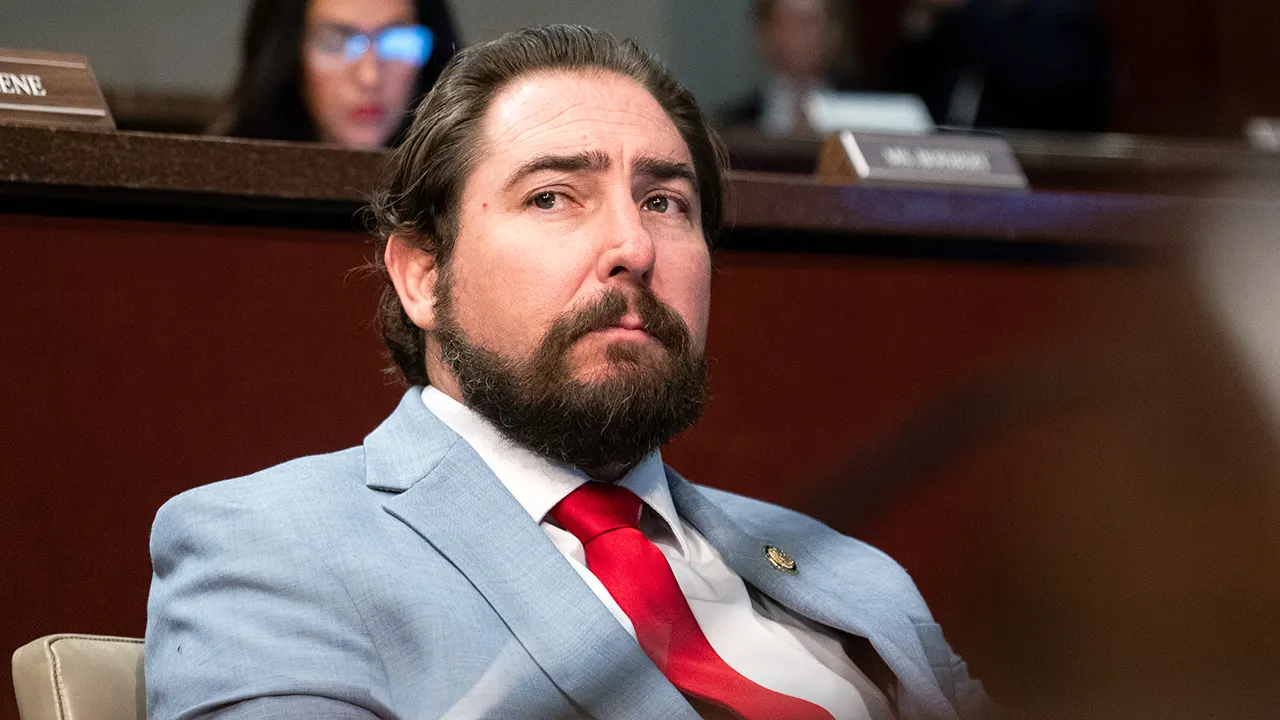

Representative Eli Crane, a Republican from Arizona, has successfully secured re-election to his second term, narrowly defeating Democratic challenger Jonathan Nez in a closely monitored race. The Associated Press announced the victory after Crane was separated from Nez by just 3,834 votes. This outcome follows a competitive campaign that highlighted various legislative priorities, including concerns over the agricultural economy and political corruption. Crane, a Navy SEAL combat veteran, has received endorsements from prominent Republican figures and aims to challenge the established political norms in Washington.
| Article Subheadings |
|---|
| 1) Overview of the Election Results |
| 2) Background on the Candidates |
| 3) Key Issues in the Campaign |
| 4) Reactions and Future Implications |
| 5) Examination of Voter Perspectives |
Overview of the Election Results
In a closely contested election, Eli Crane narrowly achieved victory over Jonathan Nez, with the final margin reported as a difference of 3,834 votes. As a race filled with high stakes, Crane’s win marks a significant moment in the political landscape of Arizona’s 2nd Congressional District. The Associated Press made the call based on the counting of votes, underscoring the competitive nature of the race. With reports indicating that the seat was labeled “Likely Republican” prior to the election, the outcome has raised eyebrows among political analysts aiming to discern the broader implications of such close electoral contests in traditionally Republican strongholds.
Background on the Candidates
Representative Eli Crane, a former Navy SEAL, emerged as a prominent figure in recent Arizona elections given his military background and advocacy for military families. He previously defeated Jonathan Nez, who served as the former president of the Navajo Nation, in the previous electoral cycle in 2024. Nez’s candidacy this time reflects a continued commitment to represent the interests of not only his constituents but also broader Democratic values, particularly in addressing socio-economic challenges faced by Native communities. Their contrasting backgrounds and experiences served to highlight the divergent political ideologies presented to voters in the election.
Key Issues in the Campaign
The campaign focused on prevalent issues such as the agricultural economy and tackling political corruption—topics that resonate deeply with voters in Arizona’s rural regions. Crane advocated for policies that would support local agricultural businesses while emphasizing the need for integrity in political processes. His opponent, Jonathan Nez, highlighted issues surrounding federal policies that affect Native lands and resources, focusing on creating equitable opportunities for underrepresented communities. The landscape of the campaign was heavily influenced by national movements and sentiments surrounding fiscal policy, immigration, and social justice, compelling voters to consider how their representatives would navigate these complex issues.
Reactions and Future Implications
In the wake of the election results, Crane expressed gratitude towards his supporters and acknowledged the challenges faced in the electoral process. He stated on social media that he would continue to combat the status quo within Congress, a sentiment that resonates with many constituents who desire change in the political arena. On the other hand, Nez, who has yet to concede the race, has conveyed through his channels that thorough vote counting is essential for a fair outcome in a district as vast as his. Both candidates’ reactions reflect the prevailing sentiments among their respective supporters and the anticipated dynamics that will unfold in Congress as a result of this election.
Examination of Voter Perspectives
The close nature of the election results signals a potentially shifting landscape among voters in Arizona. With a broad base of support for both candidates, polling indicates that various demographics felt equally represented by the two total opposites. Issues such as economic stability, representation of Native communities, and the political status quo emerged as pivotal concerns for voters. As both parties analyze the results, the implications could extend beyond Arizona to influence strategies in upcoming elections across the nation.
| No. | Key Points |
|---|---|
| 1 | Representative Eli Crane wins his second term in a tight race against Jonathan Nez. |
| 2 | The election highlighted important issues such as the agricultural economy and political corruption. |
| 3 | Both candidates presented contrasting backgrounds and emphasized different values in their campaigns. |
| 4 | Voter reactions reveal a desire for change and a complex electoral perspective in Arizona. |
| 5 | The narrow victory suggests a shifting political landscape within traditionally Republican districts. |
Summary
The re-election of Representative Eli Crane marks a significant narrative in the Arizona political landscape, characterized by a tight contest against Jonathan Nez. The outcome underscores the complex interplay of social, economic, and political factors that influence voters’ decisions. As both candidates navigate their paths forward, the broader implications of this closely watched election could serve as a bellwether for future political strategies, highlighting the shifting demographics and concerns of voters in not only Arizona but across similar Republican-dominated areas.
Frequently Asked Questions
Question: What were the main issues in the Crane-Nez election?
The primary issues revolved around the agricultural economy, political corruption, and representation of Native communities, with both candidates presenting different strategies to address these concerns.
Question: What role did endorsements play in Crane’s campaign?
Endorsements, particularly from prominent Republican figures such as former President Donald Trump, helped to galvanize support for Crane, marking him as an “America First Patriot.” This backing was crucial in consolidating conservative votes.
Question: How has Nez responded to the election outcomes?
As of now, Nez has not conceded the race, advocating for the importance of thorough vote counting and expressing his commitment to representing not only his constituents but broader Democratic values.
