

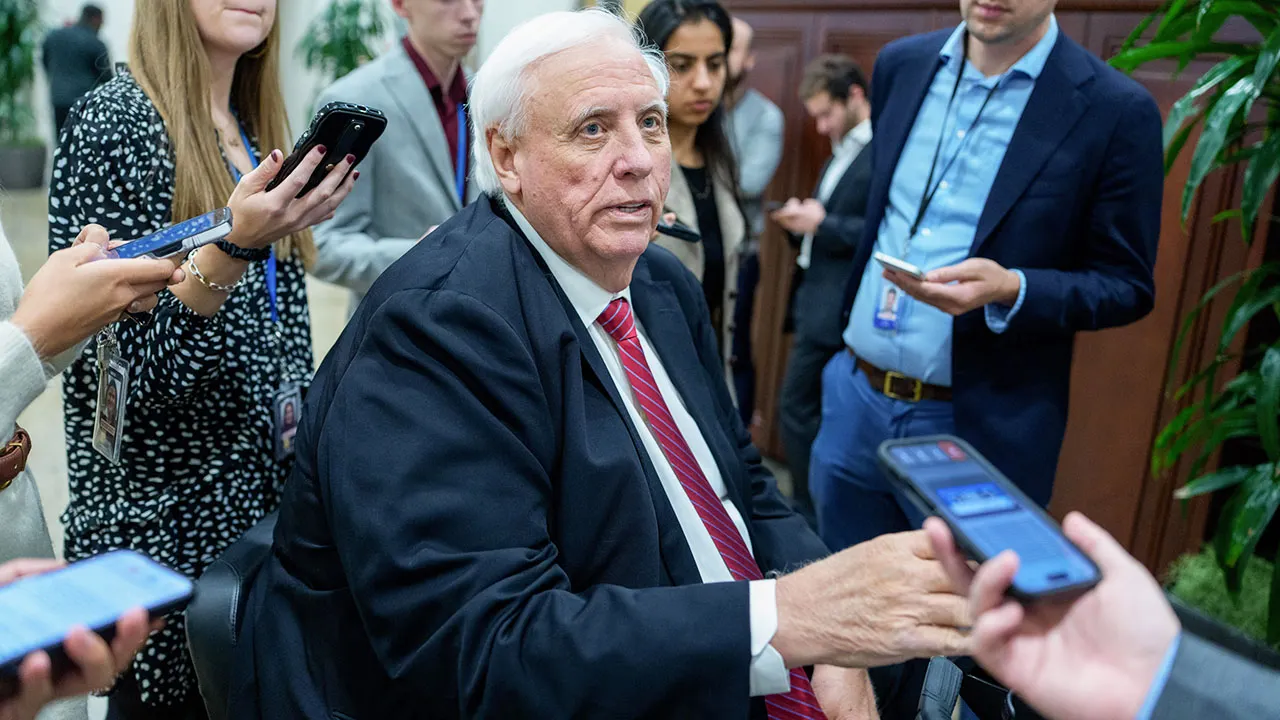

In a significant shift of political power following the recent midterm elections, the Democratic Party has solidified its majority in both chambers of Congress, raising concerns among Republican leaders about their prospects for the upcoming 2028 elections. Senator Jim Justice from West Virginia emphatically stated that the GOP should abandon hopes of reclaiming the Senate majority in the next cycle after the Democrats flipped eight Republican-held seats, elevating their total number of Senate seats to 55. Notably, Justice’s comments reflect a broader sense of urgency among party officials and highlight the performance factors that may have contributed to this electoral loss.
| Article Subheadings |
|---|
| 1) The Impact of the Midterm Elections |
| 2) GOP Leadership’s Reaction to the Losses |
| 3) Factors Behind Republican Defeats |
| 4) Historical Context of Midterm Trends |
| 5) Moving Forward: The GOP’s Strategy |
The Impact of the Midterm Elections
The recent midterm elections have resulted in a decisive Democratic victory, with the party achieving a remarkable increase in the number of Senate seats. The Democratic caucus now holds 55 seats following the anticipated win by Democrat Scott Colom in Mississippi, coupled with the possibility of securing another seat in Alaska, where Democrat Mary Peltola has a narrow lead. This solidification of power has broad implications, particularly for the Republican Party, which faces significant challenges in the forthcoming elections. As Senator Jim Justice remarked, the GOP is now grappling with a reality where reclaiming the Senate majority appears increasingly unattainable.
GOP Leadership’s Reaction to the Losses
Key Republican leaders, including Senate Majority Leader John Thune, have openly acknowledged the disappointing performance in the midterms, emphasizing the need for the party to reflect on the messages sent by voters. Thune stated, “Obviously, the election result was not what we hoped for. But I think it’s important that we take the lessons from that and internalize the message the American people were sending to us.” This sentiment resonates across the party, suggesting an impending period of introspection and adaptation in response to the electoral outcomes observed last week.
Factors Behind Republican Defeats
Among the factors contributing to the Republican losses, rising fuel prices due to international conflicts have emerged as a focal point of concern. Senator Jim Justice and others in the GOP have attributed part of the party’s woes to the ongoing war in Iran, which has resulted in gasoline prices surging nearly 90 cents per gallon higher than the previous year. As reported by AAA, the current national average stands at approximately $3.94 per gallon, a significant increase from $3.07 just one year ago. This economic pressure likely influenced voter sentiments and contributed to the Democratic gains.
Historical Context of Midterm Trends
The Republicans’ setbacks in these midterm elections echo historical patterns observed in previous cycles. For instance, the midterm elections in 2006 saw the Democrats flip a similar number of seats amid widespread dissatisfaction with then-President George W. Bush. Following that cycle, Democrats expanded their control in 2008 with the election of President Barack Obama. This historical context highlights a trend wherein midterm losses can often correlate with wider discontent regarding the administration’s handling of pressing national issues, particularly those concerning foreign policy and economic conditions.
Moving Forward: The GOP’s Strategy
In light of these electoral losses, party leaders are convening to strategize on how to re-energize the GOP ahead of the 2028 elections. New National Republican Senatorial Committee Chair, Senator Bernie Moreno of Ohio, stressed the necessity for the party to learn from these recent results. He compared the current political scenario to managing a business, suggesting that failings in governance must be addressed directly to regain voter trust. “I think we have to own it, and I think we have to learn from it,” he noted, underscoring the call for accountability within party ranks.
| No. | Key Points |
|---|---|
| 1 | Democrats have secured a majority in both chambers post-midterm elections. |
| 2 | Senator Jim Justice declared hopes of reclaiming the Senate majority in 2028 unrealistic. |
| 3 | Rising fuel prices attributed to international conflicts cited as a key factor in GOP losses. |
| 4 | Historical trends suggest midterm losses can correlate with dissatisfaction toward the ruling administration. |
| 5 | GOP leaders signal a need for introspection and strategic restructuring moving forward. |
Summary
In conclusion, the 2028 elections are shaping up to be a pivotal moment for the Republican Party following a significant Democratic wave in the recent midterms. With an increased Democratic majority, GOP leaders face urgent calls for reflection and strategy reformation to reclaim woman disaffected voters. As they navigate the aftermath of these electoral results, the emphasis on accountability and adaptation may define their path forward in a rapidly changing political landscape.
Frequently Asked Questions
Question: What impact did the recent midterm elections have on Senate control?
The recent midterm elections resulted in the Democrats securing control of both chambers of Congress, with a total of 55 Senate seats after flipping eight Republican-held seats.
Question: What factors contributed to the Republican losses in the midterms?
Republican losses were attributed largely to rising fuel prices driven by international conflicts, including the war in Iran, which affected voter sentiment and overall election outcomes.
Question: How do historical trends play into the current political scenario for the GOP?
Historical trends indicate that midterms often reflect voter dissatisfaction with the sitting administration, which can lead to significant seat flips and shifts in party power, as observed in previous elections.
