

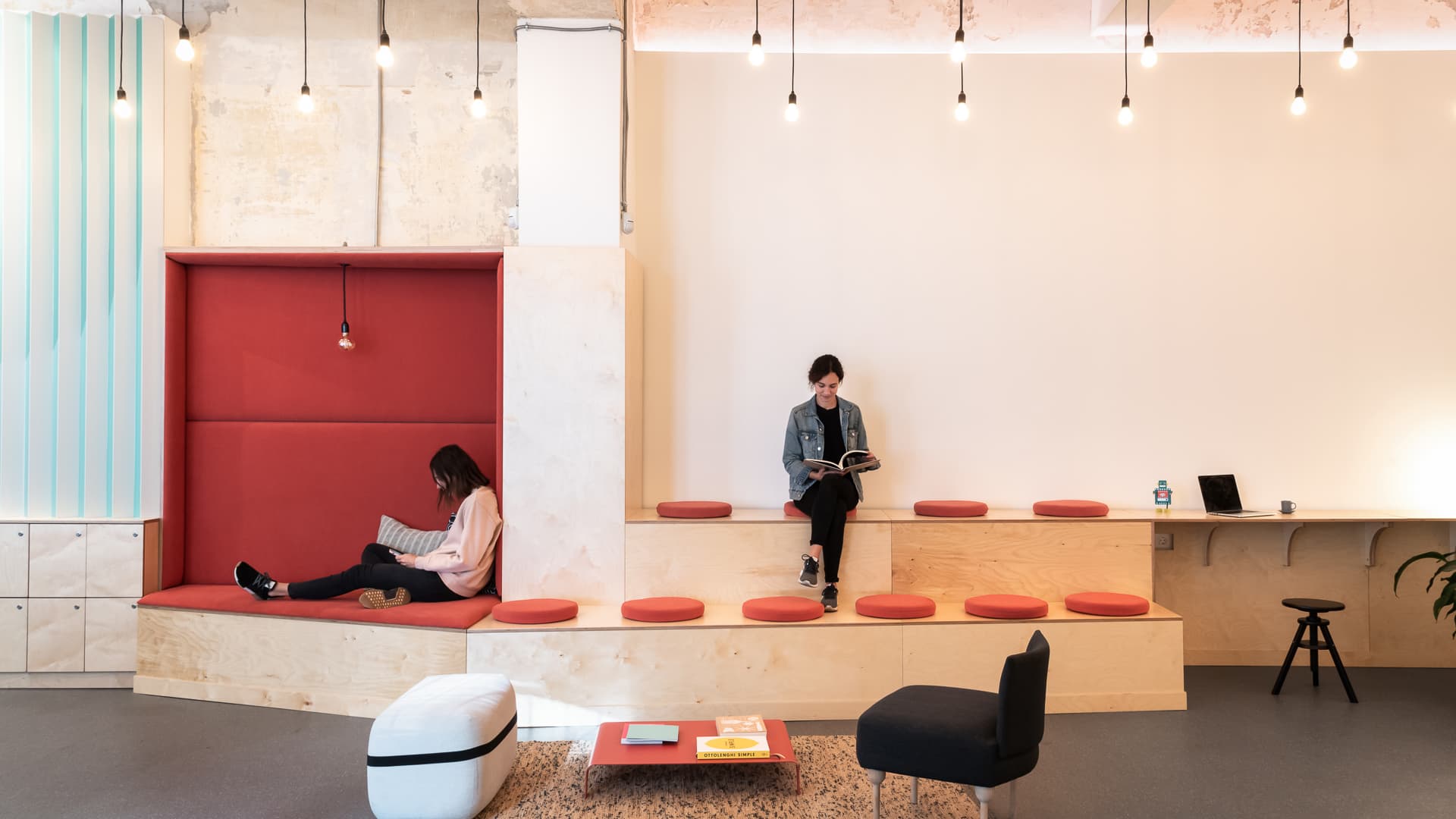

Budapest, Hungary, has emerged as a prominent destination for digital nomads, offering a unique blend of culture, affordability, and remote working opportunities. As the trend of working from anywhere grows, the city has seen an influx of professionals seeking both productivity and immersive experiences. From thriving coworking spaces to a rich cultural environment, Budapest is captivating remote workers globally, significantly influencing their work-life balance and lifestyle choices.
| Article Subheadings |
|---|
| 1) Why Hungary is a digital nomad hotspot |
| 2) The rise of community-driven coworking spaces |
| 3) Diverse offerings at coworking spaces |
| 4) Challenges in the coworking industry |
| 5) Tips for digital nomads considering Hungary |
Why Hungary is a digital nomad hotspot
According to a recent index, Hungary ranks fifth on a digital nomad-friendly list compiled by VisaGuide, outdone only by Spain, the United Arab Emirates, Montenegro, and the Bahamas. This ranking reflects a comprehensive analysis of various factors, including tax regulations, income potential, and overall living costs. Budapest, with its vibrant culture and accessible public transport, has become a magnet for workers from various industries since the surge of remote work that followed the Covid-19 pandemic.
In the eyes of many digital nomads, the allure of Budapest transcends its economical advantages. For instance, Lexi Vindisch, an entrepreneur from Canada, decided to set her businesses in this enchanting city rather than her home country. “I’ve been in locales that are super beautiful, well organized, great facilities, but they lacked a personality… I’ve never been able to replicate the feeling that Budapest holds anywhere else,” she noted. This subjective experience underlines the emotional and cultural factors influencing the decision to reside in Budapest.
Various initiatives have also facilitated the arrival of digital nomads into Hungary. EU citizens can benefit from long-term remote work opportunities under specific conditions, while the innovative White Card scheme offers residency permits to non-EU nationals with a net monthly income of at least 3,000 euros. This effort to attract skilled professionals aligns with the government’s vision to bolster the economy and create an international community in Hungary.
The rise of community-driven coworking spaces
The coworking trend in Budapest has seen tremendous growth over the past decade, with organizations such as Kaptár, which means “hive” in Hungarian, leading the charge. Founded by a team of organizational developers in 2010, Kaptár serves as a communal workspace that fosters both professional and social interactions among its members. The founders envisioned a space where freelancers, entrepreneurs, and digital nomads could collaborate and build networking relationships.
As the world of work has evolved, so has the environment at Kaptár. The space has recorded more than a 30% growth annually since the pandemic, welcoming an influx of digital nomads who come for short stints but often extend their stays significantly. Kaptár’s success illustrates how the COVID-19 pandemic has reshaped attitudes toward work arrangements, as people increasingly prioritize flexibility and remote capabilities.
This emergence of coworking communities is also seen in other available options like Liftoff, co-founded by Mónika Gyurity. Liftoff, which opened in 2019 within a repurposed elevator factory, includes a diverse clientele, ranging from professionals seeking short-term workspaces to remote employees from leading international firms. Gyurity envisions the space as a platform for knowledge exchange across generations, enhancing the collaborative spirit that drives these coworking environments.
Diverse offerings at coworking spaces
The array of coworking spaces in Budapest enhances its reputation among digital nomads. There are approximately 35 coworking hubs located primarily in central Budapest, and many are strategically placed in vibrant neighborhoods like District VI, known for its lively nightlife. Attributes such as proximity to cafes, public transportation, and entertainment venues are strategic advantages in attracting a diverse membership circle.
According to Áron Levendel, the founder of Kaptár, the city’s unique atmosphere encourages community building and networking. “Whoever wants to connect, make friends or meet people, has an easy job,” he remarked, highlighting the sociable nature of Budapest. Events held within coworking spaces, such as workshops and meetups, play a significant role in fostering relationships and enhancing the in-work experience for members. More than just a place to work, these spaces provide a backdrop for constructive interactions and learning opportunities.
Additionally, co-working spaces are beginning to adopt more innovative approaches to attract and retain members. For instance, Create26, a coworking hub known for organizing events and meetups, often includes networking-sessions with investors, fostering both professional growth and camaraderie. Such efforts underscore a commitment to adapting to members’ needs while remaining competitive within the thriving coworking market.
Challenges in the coworking industry
Despite an upsurge in interest, the coworking industry in Budapest does face challenges. According to Éva Mocsár, a co-owner of the coworking space Kubik, competition from larger corporate offices significantly influences the market dynamics. With the growing availability of office spaces, many potential members are drawn to these traditional setups, which often provide more competitive pricing. Mocsár highlighted that 12% of Budapest’s office stock lies vacant, putting pressure on coworking hubs to innovate and demonstrate value beyond mere workspace.
In light of this, coworking spaces are adapting by emphasizing community-building initiatives and purpose-driven programming, which is seen as crucial for member retention. Create26 has embraced this approach, frequently hosting events that connect members with significant business figures and launch networking opportunities, creating a thriving ecosystem in which both freelancers and corporate employees can benefit from shared experiences.
While remote work remains a long-lasting trend, Mocsár cautions against the challenges of a transient lifestyle perceived by many nomads. “What I see more is that people create a few fixed points for themselves around the world…where they feel a little bit at home,” she stated, pointing to a growing inclination among remote workers to establish roots, even amid their travels. Coworking spaces could play a vital role in creating these connections, acting as home bases for digital nomads.
Tips for digital nomads considering Hungary
For potential digital nomads looking to explore Budapest, Lexi Vindisch, an entrepreneur based in the city, offers insightful advice. Embracing relocation rather than a mere visit is key to maximizing the experience. Early preparation for local administration tasks such as banking, residency permits, and community engagement is essential. “With a culture that’s really uniquely beautiful, like Hungary, I would say come ready to embrace it and assimilate into it,” she emphasized.
This aligns with the larger trend of nomad communities thriving in culturally rich environments that allow for a sense of belonging beyond work. The nomadic lifestyle is not just about travel but also about forming lasting connections and immersing oneself in local culture. Consequently, prospective digital nomads should consider not only the practicalities of a move but also how to engage with the community surrounding them.
With the right mindset and preparation, Hungary has the potential to offer digital nomads an enriching lifestyle full of professional opportunities and cultural engagement, making it a prime destination in the evolving landscape of remote work.
| No. | Key Points |
|---|---|
| 1 | Budapest is becoming increasingly popular as a haven for digital nomads due to its cultural richness and affordability. |
| 2 | The city’s co-working spaces like Kaptár and Liftoff are designed to foster community and collaboration among remote workers. |
| 3 | Despite its growing popularity, the coworking industry in Budapest faces competition from traditional office spaces. |
| 4 | Key strategies for retention and community engagement are emerging among coworking spaces. |
| 5 | Potential digital nomads are encouraged to approach their move to Hungary with thorough preparation and a willingness to engage with local culture. |
Summary
As Budapest continues to establish itself as a digital nomad hotspot, the city’s blend of cultural and professional opportunities is attracting remote workers from around the globe. The presence of community-oriented coworking spaces is a testament to the evolving world of work. Despite underlying challenges, the resilience of Budapest’s coworking culture and the emphasis on community offer a promising future for digital nomads seeking a vibrant lifestyle. With proactive engagement and strategic planning, newcomers can significantly enhance their experience in Hungary, making it a desirable stop on their nomadic journey.
Frequently Asked Questions
Question: What makes Budapest attractive for digital nomads?
Budapest attracts digital nomads due to its affordability, rich cultural scene, and vibrant lifestyle, combined with a supportive infrastructure for remote work.
Question: How do coworking spaces benefit digital nomads?
Coworking spaces provide a sense of community, networking opportunities, and flexibility, as well as essential amenities that cater to the needs of remote workers.
Question: What steps should digital nomads take before moving to Hungary?
Digital nomads should familiarize themselves with local regulations, sort out residency and banking documentation early, and be open to engaging with the local culture to have a successful transition.
