

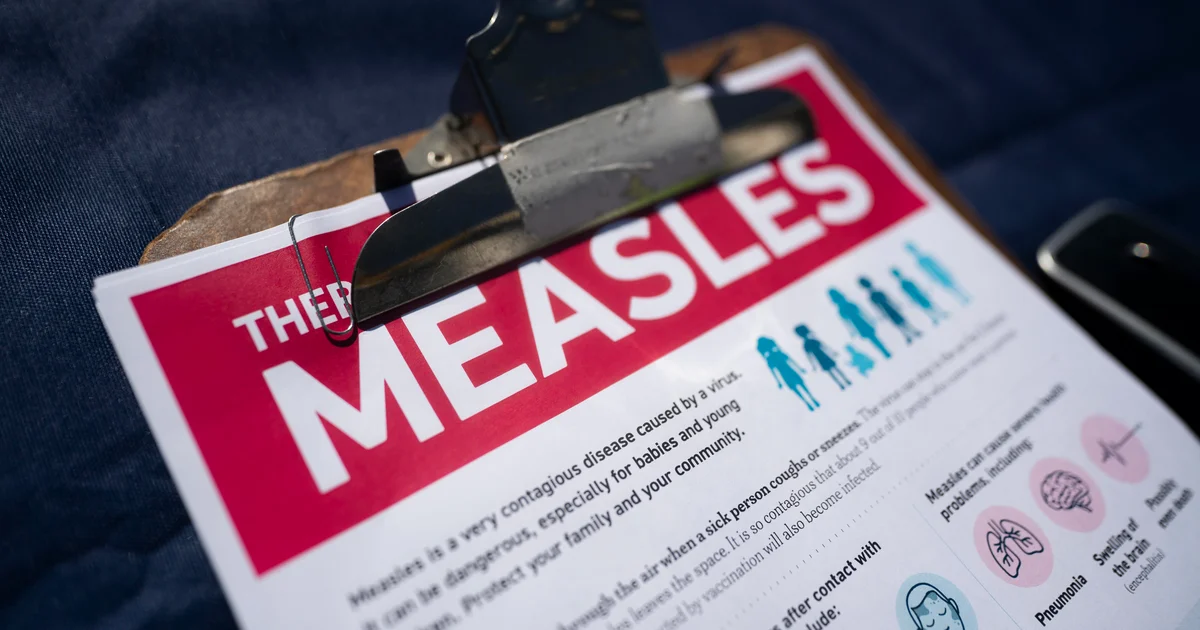

In a significant public health development, the United States has officially lost its measles elimination status for the first time since 2000, as confirmed by experts from the Pan American Health Organization (PAHO). The alarming rise in measles cases, surpassing 5,400 in 2026, has been fueled by a decline in vaccination rates, which has led to severe outbreaks across multiple states. This shift raises serious concerns about the country’s public health infrastructure and the potential for further spread of this highly contagious disease.
| Article Subheadings |
|---|
| 1) Implications of Losing Measles Elimination Status |
| 2) Path to Regaining Measles Elimination Status |
| 3) Historical Context of Measles in the U.S. |
| 4) Current Measles Trends and Statistics |
| 5) Vulnerable Populations and Public Health Risks |
Implications of Losing Measles Elimination Status
The loss of measles elimination status marks a pivotal moment for public health in the United States, reestablishing concerns surrounding the disease’s spread. According to health officials, the classification signifies that the country’s vaccination efforts have faltered, allowing the disease to circulate within communities. Dr. Céline Gounder, a medical correspondent, highlighted the risks associated with this status: “It means that we’re at risk of being exposed to measles and getting exposed if we’re not vaccinated.” With over 5,400 reported cases, the U.S. now faces the possibility of being a source of measles infections to other countries, reversing years of progress in public health.
Historically, a country is considered to have eliminated measles when there are no locally transmitted cases or outbreaks persisting for over a year. The PAHO’s findings indicate that the nation did not meet this requirement, marking a significant setback in the ongoing efforts to control infectious diseases. The rise in measles cases is directly related to gaps in population immunity, caused largely by declining vaccination rates and misinformation surrounding vaccines. This alarming situation calls for urgent interventions to address the growing public health crisis stemming from measles outbreaks.
Path to Regaining Measles Elimination Status
Regaining measles elimination status is contingent upon restoring high vaccination rates across the nation. The PAHO has specified that a vaccination coverage rate of 95% or higher is essential to maintain the elimination status. To achieve this, health experts emphasize the importance of combating misinformation about vaccines and conducting robust vaccination campaigns targeting communities that have seen declines in their immunization rates.
Dr. Omer Awan, an epidemiologist, noted that the tools necessary to fight the disease are readily available, primarily the measles, mumps, and rubella (MMR) vaccine. He underscored the urgency of increasing vaccination rates, saying, “It’s frustrating and heartbreaking… because we have the tools to fight this.” With legislative bodies reconvening, states must consider policies that can facilitate higher vaccination rates, especially as nine states made it easier for people to opt-out of vaccinations in recent years. Public health officials are hopeful that with the right measures, the U.S. could revitalize its immunization efforts and curb the current outbreak.
Historical Context of Measles in the U.S.
Measles was once a leading cause of childhood death in the United States, with the CDC report indicating around 6,000 measles-related deaths annually during the first decade of data collection beginning in 1912. For decades, the U.S. faced notable challenges in controlling the disease, as nearly every child contracted measles by age 15 during the 1950s and 1960s, resulting in hundreds of fatalities. The introduction of the measles vaccine in 1963 saw a dramatic decline in cases, eventually leading to the nation being declared measles-free in 2000.
Despite maintaining this status for over 25 years, sporadic outbreaks occurred, primarily among unvaccinated populations. These outbreaks were relatively isolated compared to the current situation, where massive clusters of infection have emerged once again. In 2025, there were 2,242 reported cases, well below the current year’s totals. Such a sharp revival of measles in the United States is concerning and stands as a stark reminder of the essential role that vaccines play in public health.
Current Measles Trends and Statistics
As of 2026, over 5,400 measles cases have been documented, with significant hospitalizations and fatalities reported in multiple states. Pennsylvania has experienced the largest outbreak, accounting for over 1,500 cases and several deaths. In addition, New York and Wisconsin have recorded fatalities linked to the disease, underscoring the severity of the situation across the country.
The spread of measles has not been limited to a few states. Individuals in 45 states, along with Washington D.C., have confirmed cases of measles so far this year. The Centers for Disease Control and Prevention (CDC) have reported that approximately one-third of the cases this year are associated with ongoing outbreaks from 2025. More starkly, the CDC recorded 43 new outbreaks, highlighting how pervasive measles has become once again. The rise of cases has occurred concurrently with declines in childhood vaccination rates, with many communities falling below the threshold required to prevent outbreaks.
Vulnerable Populations and Public Health Risks
Measles is one of the most contagious diseases known, posing a significant risk to unvaccinated individuals. Data from the CDC shows that 96% of measles infections reported in 2026 involved individuals who had not been vaccinated or were unsure of their vaccination status. The consequences of measles infections can be severe and life-threatening, resulting in conditions such as pneumonia and encephalitis for those infected.
Certain groups, including infants, pregnant women, and immunocompromised individuals, are particularly vulnerable and cannot receive vaccinations. Awan emphasized that these populations would bear the harshest consequences of the current outbreak, facing increased risks of infection and its complications. Vaccination remains vital not only for personal protection but equally for safeguarding those who cannot be vaccinated, thereby ensuring community immunity.
| No. | Key Points |
|---|---|
| 1 | The U.S. has lost its measles elimination status for the first time since 2000. |
| 2 | Over 5,400 measles cases have been recorded in 2026, significantly higher than previous years. |
| 3 | Declining vaccination rates and the spread of misinformation are major contributors to the outbreak. |
| 4 | Public health officials emphasize the importance of returning to a 95% vaccination rate to regain elimination status. |
| 5 | Vulnerable populations, including infants and those with weakened immune systems, are at the highest risk from measles. |
Summary
The recent loss of measles elimination status in the United States serves as a critical reminder of the importance of vaccination and robust public health measures. With a resurgence of cases attributed to declining immunization rates and increased vaccine hesitancy, health officials are urging immediate action to protect communities. The situation not only endangers public health within the country but also poses a threat to global health security, as the U.S. risks exporting measles to other nations. Collaborative efforts to combat misinformation, improve vaccination outreach, and support vulnerable populations will be crucial in preventing further outbreaks and ensuring safety across the nation.
Frequently Asked Questions
Question: Why is measles considered highly contagious?
Measles is one of the most contagious diseases, with up to 90% of susceptible individuals contracting the disease after exposure. This high level of transmissibility makes widespread vaccination critical to prevent outbreaks.
Question: What are the main symptoms of measles?
Measles symptoms typically include high fever, cough, runny nose, and a distinctive rash that spreads over the body. Complications can include diarrhea, ear infections, and in severe cases, pneumonia or encephalitis.
Question: How can one protect themselves against measles?
The most effective way to protect against measles is through vaccination. The MMR vaccine is highly effective, providing immunity against measles, mumps, and rubella. Ensuring that children and vulnerable populations are vaccinated is essential to maintaining herd immunity.
