

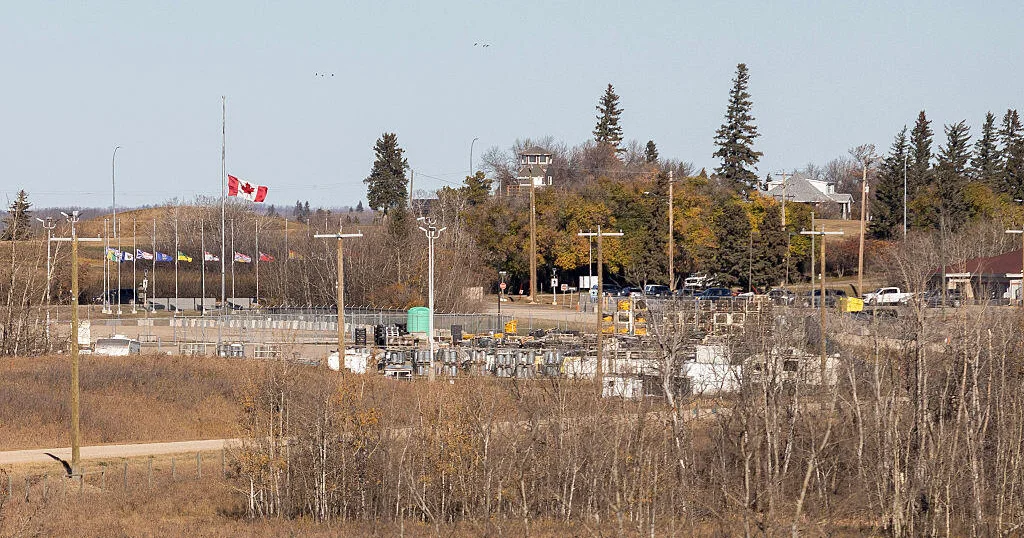

A tragic incident during a military training exercise in Canada has resulted in the death of a fifth soldier, bringing national attention to the risks faced by military personnel during training operations. The deceased, Pvt. William Douglas Dal Bianco, succumbed to injuries sustained during a wind-driven grass fire at Canadian Forces Base Wainwright in Alberta. The military and government officials are looking into the circumstances surrounding the incident, which has prompted an investigation and calls for safety reviews in military training protocols.
| Article Subheadings |
|---|
| 1) Overview of the Incident and Casualties |
| 2) Details Surrounding the Fire |
| 3) Investigation and Inquiry |
| 4) Government Response |
| 5) Historical Context and Military Safety |
Overview of the Incident and Casualties
The tragic event occurred on October 17, when approximately 84 soldiers from the 3rd Battalion, Princess Patricia’s Canadian Light Infantry, were engaged in training exercises at Canadian Forces Base Wainwright. As the soldiers conducted tactical attack drills, a grass fire, intensified by gusty winds, quickly spread towards them. Pvt. William Douglas Dal Bianco was one of several soldiers injured, ultimately leading to his hospitalization and subsequent death at a Ontario hospital.
In addition to Dal Bianco, four other soldiers lost their lives due to the incident: Pvt. Shaun Farrell, 23, from Prince Albert, Saskatchewan; Pvt. Aidan Goulding, 23, from North Vancouver, British Columbia; Pvt. Hayden Lykkemark, 19, from Langley, British Columbia; and Sgt. Morgan Wong, 26, from Edmonton. The remaining injured individuals number 24, still receiving medical care as the military has committed to ensuring their recovery.
Details Surrounding the Fire
The military has indicated that the fire was initially believed to be contained. Soldiers were informed that the flames posed no immediate threat, which allowed them to continue their training. However, as winds shifted unexpectedly, conditions rapidly escalated, causing widespread chaos on the training grounds. The nature of the fire’s rapid spread—prompted by strong winds—raised alarms about safety protocols in place for future training exercises.
Major General Wade Rutland confirmed that military officials had been aware of the fire for hours, but due to a lapse in judgement regarding the situation’s severity, they allowed operations to persist. This decision has drawn scrutiny and may be a pivotal factor in the subsequent investigations.
Investigation and Inquiry
In the wake of this deadly incident, military police have launched an investigation to gather more information about the fire and its underlying causes. Moreover, a military board of inquiry will delve deeper into the circumstances leading up to the tragedy, with an aim of identifying procedural failures and recommending changes to prevent occurrences in the future. Thorough inquiries are fundamental in maintaining transparency and accountability, which is especially critical given the gravity of the loss experienced by the soldiers and their families.
The military has pledged to conduct these investigations swiftly and transparently, understanding the need for answers and assurances for the families affected and the broader military community. The tragic nature of the event has drawn parallels to other incidents, shedding light on safety and operational risks inherent to military training.
Government Response
Prime Minister Mark Carney expressed deep condolences over the tragic event, describing the loss as one of the worst peacetime tragedies for Canada’s military on domestic soil. In a social media post, he praised the bravery and commitment of the soldiers, stating, “Private Dal Bianco and his fellow soldiers were training to defend Canada. With their bright futures still before them, they chose to safeguard ours. That is service.”
Carney reaffirmed the government’s commitment to determining the cause of the fire and emphasized the urgency for necessary reforms. As officials face pressure to improve safety measures, this incident may lead to a reevaluation of military training protocols to enhance soldier safety, which has recently come into focus in light of this tragedy.
Historical Context and Military Safety
Historically, military training exercises carry inherent risks, but this incident highlights the dangers exacerbated by environmental conditions, such as extreme weather. The Canadian Armed Forces have faced criticism in the past regarding safety protocols and preparedness for emergencies. There have been calls from various stakeholders for historical data and audits of training operations to ensure that similar incidents do not recur.
As the investigations unfold, military officials will likely face scrutiny regarding past incidents and the effectiveness of their responses. Balancing the realities of combat readiness training against the safety of personnel is crucial in establishing trust both within the armed forces and with the public.
| No. | Key Points |
|---|---|
| 1 | A fifth soldier, Pvt. William Douglas Dal Bianco, died from injuries related to a grass fire during military training. |
| 2 | Four other soldiers also lost their lives, while 24 remain hospitalized after the incident. |
| 3 | Military officials initially perceived the grass fire to be contained before circumstances took a drastic turn. |
| 4 | Investigations by military police and a separate military inquiry are underway to understand the incident’s details. |
| 5 | The Canadian Prime Minister emphasized the need for thorough investigation and potential reform in military training protocols. |
Summary
The untimely deaths stemming from this incident at Canadian Forces Base Wainwright have left a profound impact on the military community and the nation. As investigations proceed, the focus on military training safety protocols will likely intensify. The tragic loss of lives underscores the critical need for rigorous environmental assessments and operational safety measures. Officials aim to ensure that the sacrifice of these brave soldiers leads to necessary reforms that prioritize the well-being of military personnel in training environments.
Frequently Asked Questions
Question: What events led to the deaths of the soldiers at the military training exercise?
The soldiers were conducting training exercises when a wind-driven grass fire unexpectedly spread toward them, resulting in significant injuries and fatalities.
Question: What actions are being taken in response to the incident?
Military police are conducting an investigation, while a separate military board of inquiry will assess the circumstances surrounding the fire and recommend preventive measures.
Question: How has the government reacted to the tragedy?
Prime Minister Mark Carney expressed condolences and pledged a thorough investigation to ensure accountability, emphasizing the need for improved safety measures within military operations.
