

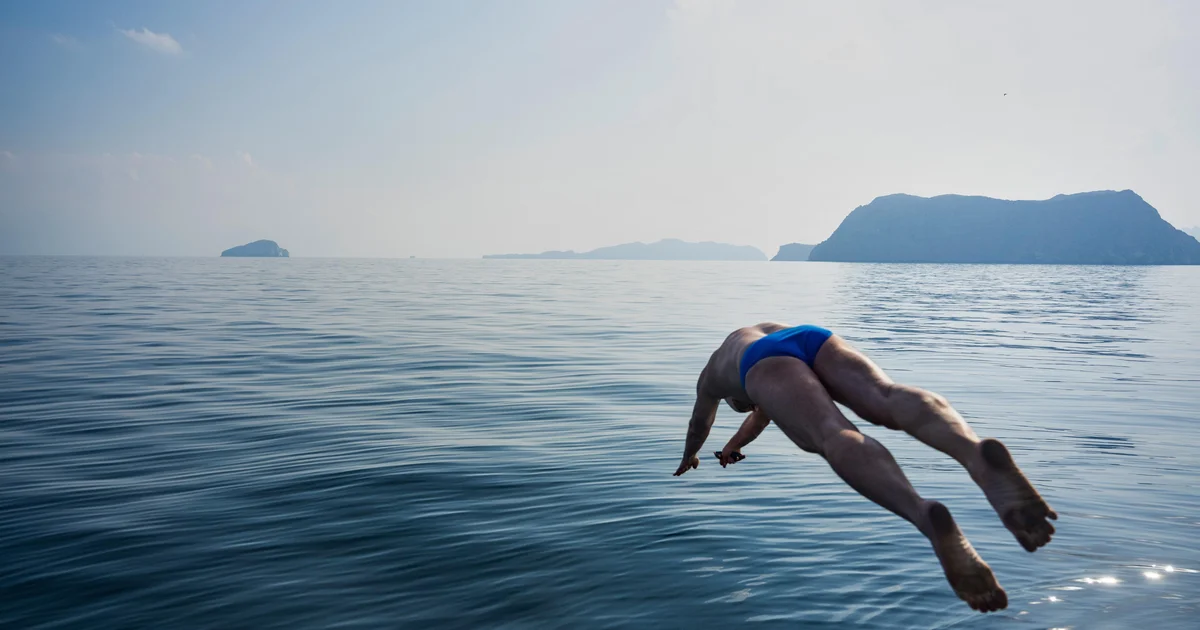

British endurance swimmer Lewis Pugh has embarked on a perilous swim through the Strait of Hormuz, aiming to raise awareness about the environmental threats posed by ongoing hostilities in the region. Known for his remarkable swims in some of the most challenging waters worldwide, Pugh undertook this journey while numerous attacks on tankers occurred nearby. His mission highlights the delicate marine ecosystem and the urgent need for action to protect it amidst rising geopolitical tensions.
| Article Subheadings |
|---|
| 1) An Unrivaled Challenge in Dangerous Waters |
| 2) The Impact of Conflict on Marine Life |
| 3) Exploring the Beautiful Yet Threatened Environment |
| 4) A Call for Action Amidst Ongoing Violence |
| 5) The Long Road to Environmental Recovery |
An Unrivaled Challenge in Dangerous Waters
In a bold endeavor to raise awareness for oceanic conservation, Lewis Pugh entered the treacherous waters of the Strait of Hormuz, marking a historical moment as he swam approximately nine miles from the southern tip of the strait to the Cape of Hormuz. This swim took place during a time of heightened tension in the area due to increasing hostilities between regional powers and the backdrop of ongoing war with Iran. As a dedicated advocate for marine preservation, Pugh has previously swum in some of the world’s most inhospitable environments, yet the dangers presented by armed conflict, including the threats of explosions and military activity, made this swim particularly perilous.
On the first day of his swim, Pugh experienced a shocking moment of violence firsthand when he heard two loud explosions shortly after entering the water.
“I looked up and I could see that an oil tanker about four kilometers away had been hit,”
he described. Such incidents underscore the reality that the Strait of Hormuz is not only a crucial shipping lane but also a battleground where maritime safety is compromised.
To mitigate risks while tackling the daunting challenge, Pugh divided the swim into several segments over three days, accumulating around six-and-a-half hours in the water. The logistical planning included careful observation of the surrounding area for potential threats, making it apparent that swimming in an active conflict zone was unlike any challenge he had faced before.
The Impact of Conflict on Marine Life
As Pugh swam through the strait, he witnessed the lasting effects of maritime conflict on the environment. In recent weeks, attacks on vessels—including oil tankers—have escalated, causing damage that may have severe consequences for the local ecosystem. Iran has increasingly targeted vessels traversing what it claims are unauthorized routes, which has heightened fears among those in the shipping industry. The strategic importance of the Strait of Hormuz cannot be overstated, with approximately a fifth of the world’s oil passing through its waters prior to the commencement of the recent war.
Pugh drew attention to the multitude of dangers facing marine life in the area, noting that oil spills from damaged tankers could have devastating and persistent repercussions for the region’s biodiversity. He warned that oil contamination leads to long-lasting pollution, harming delicate ecosystems such as coral reefs, mangrove forests, and shorelines. The ramifications of such events extend beyond immediate visibility, posing risks to wildlife and local habitats that can last for generations.
The swimmer’s concerns were not baseless; he recounted seeing dolphins following his boat and noted the increasing presence of various sea creatures, including ospreys and turtles. His appreciation for the beauty of marine life contradicts the unsettling reality of ongoing pollution and destruction. He described witnessing a catastrophic incident where a vessel was struck, sending fireballs into the air and effectively turning the water surrounding it into flames.
Exploring the Beautiful Yet Threatened Environment
In reflecting upon his swim, Pugh emphasized the unique beauty of the Strait of Hormuz, calling it “one of the treasure troves of the natural world.” This perspective sheds light on a juxtaposition: while the strait serves as a major transportation corridor, it also harbors stunning ecosystems that require vigilance and care. Pugh lamented the potential loss inflicted due to the deterioration of natural habitats amidst human conflict, making the call for intervention all the more urgent.
Despite his mission being one of advocacy, Pugh found joy in the marine landscape he traversed. He noted the appearance of numerous turtles during a previous swim along the Omani coast, capturing the allure of the region’s flora and fauna. However, the thought of these same scenes being polluted by oil and chemical runoff is a grave reminder of the ticking clock on preserving the region’s natural wealth.
Pugh’s swim shines a light on the dual narrative of human activity and ecological fragility. He passionately advocated for a greater understanding of the strait’s environmental significance, imploring the world to take actionable steps to safeguard its many species from the forthcoming threats of conflict and neglect.
A Call for Action Amidst Ongoing Violence
After completing his swim, Pugh vocalized a stark pledge: “We’ve got to stop the war. We’ve got to open the strait, and we’ve got to clean up the pollution.” This statement encapsulates the essence of his mission—to educate and inspire action against the backdrop of ruinous war and environmental degradation. Pugh’s message resonates with urgency; he positions himself at the forefront of a broader movement calling for peace and environmental stewardship.
In the face of danger, Pugh has not only bravely pursued his swimming expeditions but also utilized his platform to address these pressing issues. His efforts serve as a crucial reminder that while environmental challenges can be daunting, engagement and awareness can spark the needed conversations to drive change. Pugh stands as a testament to the power of individual influence, demonstrating how one person’s actions can spotlight critical issues often overlooked by the larger narrative.
Moreover, Pugh’s approach, often termed “Speedo diplomacy,” emphasizes the role of sport as a medium to bridge divides. He believes that through engagement in physically demanding feats, he can foster dialogue and encourage collaboration towards resolving global challenges, blending athleticism with activism.
The Long Road to Environmental Recovery
Pugh’s foundation has documented significant positive outcomes from his swimming endeavors, contributing to the establishment of over 1.35 million square miles of protected ocean environments. Yet despite these accomplishments, the challenges facing marine ecosystems continue to multiply. The lasting impact of oil spills, pollution, and the implications of military activity present complex hurdles to rehabilitation and recovery.
As experiences from previous events have shown, recovery from such crises can span decades, raising questions regarding the long-term viability of already threatened habitats. Pugh’s swimming challenges have always aimed to draw connections between human actions and environmental responses, amplifying the message that the planet’s health ultimately depends on our decisions.
In conclusion, Pugh’s swim through the Strait of Hormuz serves as a compelling reminder of the urgent need to protect our oceans from both geopolitical conflicts and environmental degradation. The risks associated with swimming in a conflict zone only reinforce the necessity for global attention, amplifying the need for awareness regarding the fragile ecosystems beneath the waves.
| No. | Key Points |
|---|---|
| 1 | Lewis Pugh undertook a swim in the Strait of Hormuz to highlight environmental issues amidst ongoing conflict. |
| 2 | The region is vital to global oil trade and is currently threatened by military activity. |
| 3 | Pugh witnessed explosions and violence while swimming, emphasizing the dangers of swimming in conflict zones. |
| 4 | The swimmer advocates for urgent action to protect marine ecosystems and mitigate pollution. |
| 5 | Pugh’s previous swimming challenges have led to significant marine protections, yet ongoing threats remain. |
Summary
In summary, Lewis Pugh’s remarkable swim through the perilous waters of the Strait of Hormuz serves as a poignant testament to the intersection of environmental advocacy and personal courage. As the world grapples with the implications of ongoing conflicts, voices like Pugh’s remind us of the need to prioritize oceanic health and the creatures that inhabit these delicate ecosystems. His efforts not only shine a light on critical issues but also inspire collective action for sustainable practices aimed at preserving our planet’s marine environments.
Frequently Asked Questions
Question: What is the main goal of Lewis Pugh’s swim in the Strait of Hormuz?
The main goal of Pugh’s swim is to raise awareness about the environmental threats posed by military conflict in the region and to advocate for the protection of marine ecosystems affected by pollution and war.
Question: What dangers did Pugh face while swimming?
Pugh faced numerous dangers, including the threat of explosions from nearby attacking vessels, militarized air activity, and the risks associated with oil spills and marine pollution.
Question: How has Pugh’s work influenced marine conservation efforts?
Pugh’s swimming challenges have led to the protection of over 1.35 million square miles of ocean, demonstrating the potential for sport to raise awareness and catalyze significant environmental action.
