

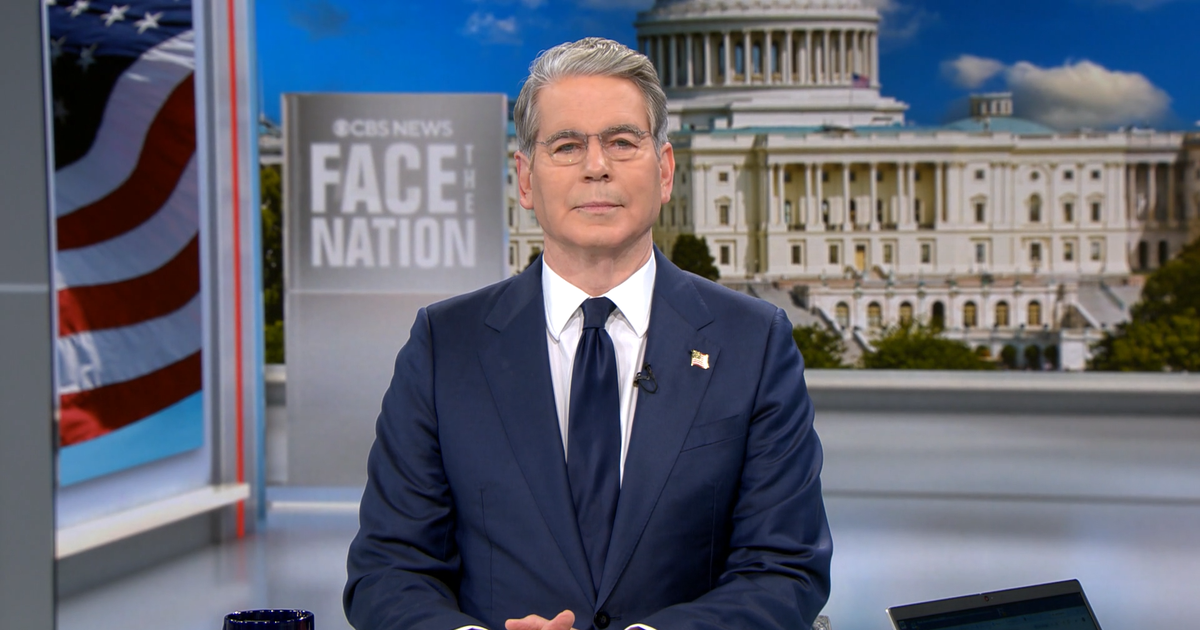

In a recent interview, U.S. Treasury Secretary Scott Bessent addressed the concerns surrounding recent technological outages at major banks and the broader implications of Artificial Intelligence (AI) in the financial sector. The interview, which aired on November 22, 2026, revealed insights on the banking industry’s resilience, the pressures facing tech giants like Nvidia, and the ongoing regulatory scrutiny of their operations. As discussions about security and governance in the tech world escalate, Bessent’s remarks shed light on the government’s stance and the potential challenges ahead for both the markets and consumers.
| Article Subheadings |
|---|
| 1) Treasury Secretary Bessent on Bank Outages and Customer Concerns |
| 2) The Role of Nvidia in the AI Landscape |
| 3) Market Reactions Following Recent Events |
| 4) Regulatory Challenges Facing Nvidia |
| 5) The Future of Tech and National Security |
Treasury Secretary Bessent on Bank Outages and Customer Concerns
In the wake of alarming technological failures at some of America’s largest banks, customers experienced significant disruptions, leading to widespread panic and cash withdrawals. During the interview, Scott Bessent addressed these outages, emphasizing that the banking sector has been a leader in cybersecurity for decades. He reassured customers that financial institutions are well-equipped to handle such challenges. “The banks experience attacks every day, every week, every month,” he stated. This time, however, the issue stemmed from security patches being implemented to enhance systems, which inadvertently led to glitches, much like the side effects one might feel after receiving a vaccine.
Addressing the worries of American consumers, Bessent underscored the importance of trust in banks. He highlighted the resilience of financial institutions, noting their proactive approach to cybersecurity and hazard management. As the digital landscape evolves, he affirmed that banks have laid a robust foundation to mitigate potential threats amid increasing technological reliance.
The Role of Nvidia in the AI Landscape
Shifting gears to the technology sector, Secretary Bessent was asked about Nvidia, often referred to as a pivotal player in the AI industry due to its extensive influence and proprietary technology. Nvidia not only designs graphics processing units (GPUs) but also aims to optimize AI capabilities globally. Bessent acknowledged the significance of Nvidia’s leadership within the tech space, asserting that the company continues to thrive despite market fluctuations. “There is near unlimited demand for their chips worldwide,” he noted, highlighting the ongoing viability of Nvidia as a powerhouse in the sector.
The deeper implications of Nvidia’s centrality in AI also raised concerns about its influence on the economy and rising dependency on its technology amid increasing inquiries from regulatory bodies. Bessent remarked that while Nvidia is instrumental in bolstering AI, vigilance regarding supply chains and international dependencies remains critical.
Market Reactions Following Recent Events
The markets reacted sharply to recent political developments, including shifts in election outcomes that appeared to spook investors significantly. Bessent suggested that the market sell-off was multifaceted, influenced by both Democratic advancements in polls prior to elections and resultant hawkish comments from the Federal Reserve. High-profile financial analysts observed tightening conditions which could threaten economic growth. These apprehensions among financial players translated into notable fluctuations in stock prices, particularly concerning tech giants like Nvidia, which holds enormous sway within the broader framework of the economy.
The secretary emphasized that market stability often hinges on political climate and regulatory sentiments, asserting that investor confidence is affected both by policy decisions and the dynamics of financial institutions. This sentiment is heightened as constitutional powerhouses deliberate policies surrounding technology, investment, and infrastructure.
Regulatory Challenges Facing Nvidia
Addressing the scrutiny surrounding Nvidia, Secretary Bessent revealed concerns about the company’s dealings with China and reported practices that may contravene compliance norms. “We don’t have all the answers yet,” he stated, confirming that the inquiry into Nvidia’s operations is ongoing and essential for safeguarding national interests. He cited a potential “culture of non-compliance,” amplifying the urgency for governance structures within the company to strengthen as investigations deepen.
The implications of these revelations could reshape not only the company’s future but also its standing within federal and international regulations. Bessent urged for swift clarity, reiterating that Nvidia’s governance must reflect a strong commitment to compliance and ethical business practices to uphold trust within the tech community and broader markets.
The Future of Tech and National Security
The conversation took a critical turn concerning national security issues, particularly regarding the control and centralization of tech industries. Bessent noted that the movement of data centers offshore could pose strategic risks for the United States. He asserted that increasing domestic production of chips is crucial in light of recent geopolitical tensions, especially with China. “We need to restore leadership in the chip industry,” he pointed out.
In light of these discussions, Bessent highlighted ongoing efforts aimed at boosting domestic fabrication through collaborations with firms like TSMC, which is currently building manufacturing facilities in Arizona. This initiative aims to revitalize the U.S. semiconductor industry, addressing key vulnerabilities and fostering innovation in AI and other technological sectors.
| No. | Key Points |
|---|---|
| 1 | Secretary Bessent emphasized the resilience of banks amid technological disruptions. |
| 2 | Nvidia’s significance in the AI sector continues to grow amid market instability. |
| 3 | Political shifts have affected market confidence, leading to noticeable sell-offs. |
| 4 | Nvidia faces regulatory scrutiny concerning compliance and international sales. |
| 5 | The U.S. government is striving to enhance domestic chip production to fortify national security. |
Summary
The interview with Treasury Secretary Scott Bessent provided crucial insights into the ongoing implications of technological dependency and regulatory scrutiny over companies like Nvidia. As markets experience volatility linked to political changes and banking infrastructure, Bessent’s statements highlight the delicate nature of maintaining trust and security in both financial and technological sectors. The emphasis on bolstering domestic capabilities in semiconductor manufacturing illustrates a strategic shift aimed at enhancing national security and economic resilience in a rapidly evolving global landscape.
Frequently Asked Questions
Question: What were the main issues faced by the banks during the recent outages?
The recent outages at major banks primarily stemmed from security patches that caused temporary glitches, which led to significant disruptions for customers.
Question: Why is Nvidia considered vital in the AI sector?
Nvidia is predominant in the AI landscape due to its advanced technologies, particularly its GPUs, which are essential for powering AI applications globally.
Question: What measures is the U.S. government taking to improve national security concerning technology?
The government is focused on increasing domestic production of chips and strengthening compliance regulations to mitigate risks associated with offshore data and technology transfers.
