

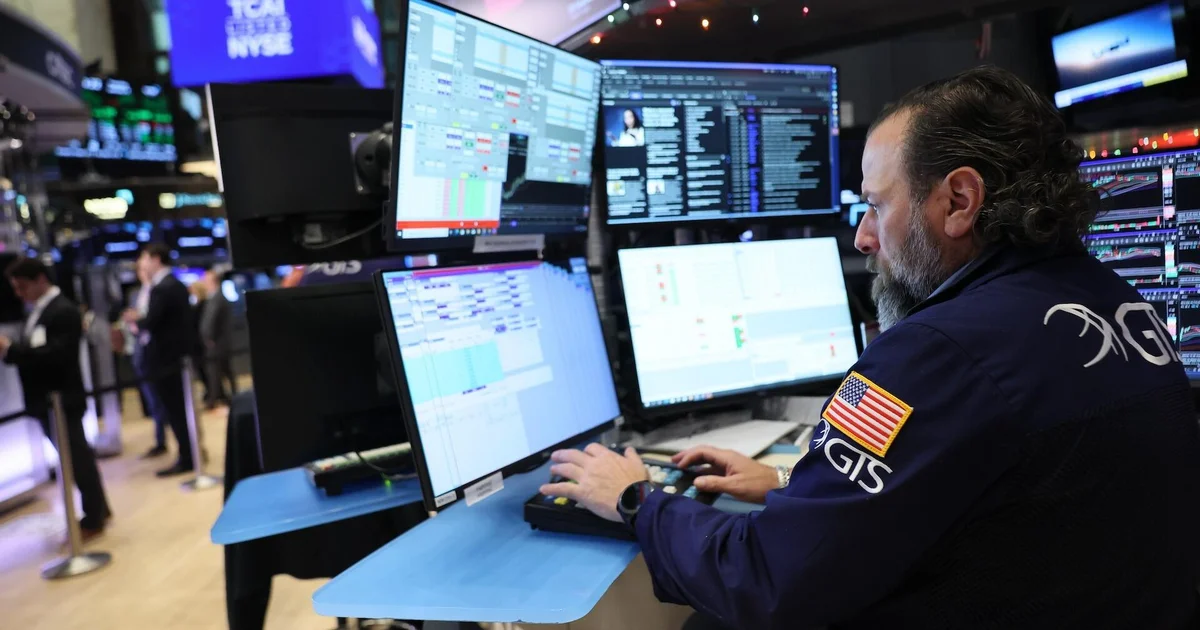

On Friday, technology stocks faced a significant downturn, overshadowing the recent IPO of Anthropic, a player in artificial intelligence. The Nasdaq Composite Index plunged by over 5%, marking one of its worst days of 2026 and erasing the year’s gains. As investor concerns mount regarding the sustainability of the AI sector, markets observed notable declines across major indexes, pushing some into “correction” territory, where losses exceed 10% from recent highs.
| Article Subheadings |
|---|
| 1) Technology Sector Experiences Major Setback |
| 2) Implications of Anthropic’s IPO |
| 3) Broader Market Reaction Beyond Tech Stocks |
| 4) Expert Opinions on Market Trends |
| 5) Future Outlook for the Technology Sector |
Technology Sector Experiences Major Setback
The day began with a sharp decline in the technology sector, leading to significant losses across various indexes. The Nasdaq Composite Index plummeted by 1,261 points, or 5.3%, closing at 22,618. This dramatic drop marked the tech-heavy index’s second-worst day of 2026 and ultimately wiped out all gains made during the year. Meanwhile, the S&P 500 and the Dow Jones Industrial Average dropped 3.7% and 1.9%, respectively. The increases in selling activities were primarily due to rising investor unease about the viability and growth potential of technology and AI stocks, which were previously viewed as pivotal to market advancements.
Both the S&P 500 and Dow Jones indexes entered a “correction” phase, indicating that they have slipped over 10% from their most recent peaks. The S&P 500 logged its seventh consecutive day of losses, which is notably its longest losing streak since February 2020, a period that coincided with the onset of the pandemic that led to widespread panic selling among investors. The drastic changes signal a revamping of investor confidence in the AI sector and correlate strongly with prevailing concerns over economic conditions.
Implications of Anthropic’s IPO
Just days before this market downturn, Anthropic’s initial public offering (IPO) was celebrated as a high-profile event in the tech world, particularly within the AI space. On Thursday, the company’s shares debuted strongly, reflecting optimism about its future, especially as it is known for producing the Claude AI chatbot. However, this optimism swiftly faded on Friday when the stock price fell 9.3% to $88.14 per share, undermining much of its previous gains and leaving it below its IPO price of $83.
The decline continued into Friday trading, as the stock was reported to have dropped approximately 23% from a brief high of $115.10 established just a day prior. For context, this fall surpasses the drop experienced by Facebook (now known as Meta) shortly after its own IPO in May 2012, signifying that even high-flying stocks like Anthropic are not immune to market volatility. In parallel, other tech labels, including Nvidia, experienced significant downturns—its shares falling for nine out of ten trading days as fears around the strength of the AI market intensified.
Broader Market Reaction Beyond Tech Stocks
Despite the turbulent day for technology stocks, the broader market revealed a different narrative as certain sectors performed positively. In particular, stocks outside the tech industry saw upward movement, with notable examples including General Mills and homebuilder Lennar showing gains of 4.4% and 2.5%, respectively. This divergence prompted discussions about whether the challenges lingering in the tech sector might affect other industries, or whether they can remain insulated from the tech downturn.
The variations in market performance highlight the complexities of investor sentiment and the revealing nature of economic indicators, which indicate that while tech stocks are facing significant issues, other parts of the economy may be stronger than anticipated. Analysts noted that these resilient sectors could provide some support to the overall market, counteracting the tech sector’s downward trajectory.
Expert Opinions on Market Trends
Market strategists are analyzing the nuanced impact of the recent fluctuations in the technology sector, acknowledging the inevitability of such market corrections. Analyst Michael Antonelli, from Baird, remarked,
“The whole notion that AI can continue to spend unlimited amounts of money and support the stock market, I think the notion of that is ending as we speak, that’s what’s being priced right now.”
He suggested, however, that the overall bull market, which has been sustaining since October 2022, remains intact and should not be disregarded. The insights collectively indicate that investors should maintain a level of caution, clear of discouraging narratives surrounding the broader economic landscape.
Furthermore, Chris Larkin, managing director of trading and investing at E*TRADE, provided a comprehensive view, suggesting,
“It’s impossible to know when any selloff will run its course, but history shows most moves like this don’t turn into bear markets —only five of the past 15 corrections from all-time highs since 1983 have done so.”
His assessment emphasizes the importance of historical context, suggesting that the current downturn could be temporary, rather than signaling a prolonged bear market.
Future Outlook for the Technology Sector
Looking ahead, the future of the technology sector appears uncertain yet ripe for analysis as experts continue to dissect current trends. The prevailing sentiment is mixed; while the immediate selling trends reflect apprehension, some analysts suggest there could be potential for recovery, especially if the fundamentals of the U.S. economy remain strong. Continued innovation within AI, along with external factors such as interest rates and regulatory environments, will play a significant role in shaping the trajectory of technology stocks in the coming months.
As the industry poses challenges, it’s important for investors to remain alert to changes that might herald a pivotal moment in technology investment prospects. Keeping an eye on government policies related to technology export and the construction of data centers will also be crucial, as international trade considerations increasingly influence market valuations. Should the industry successfully navigate these challenges, the potential for a rebound could help fortify both investor confidence and stock valuations moving forward.
| No. | Key Points |
|---|---|
| 1 | The Nasdaq Composite Index fell by 5.3%, erasing its gains for the year. |
| 2 | Both the S&P 500 and Dow entered correction territory after significant declines. |
| 3 | The IPO of Anthropic saw a significant decline following initial optimism. |
| 4 | Certain non-tech stocks, like those associated with consumer goods, showed positive movement. |
| 5 | Experts suggest potential recovery amid uncertainties regarding AI and market fundamentals. |
Summary
The recent significant drop in technology stocks highlights the fragility of the AI market amidst prevailing investor concerns. Although the immediate outlook appears tumultuous, market experts suggest that the fundamentals of the U.S. economy retain support, implying a possible resilience. Moving forward, a renewed focus on both technology sector dynamics and broader market indicators is critical for investors as they navigate through this volatile landscape.
Frequently Asked Questions
Question: Why is the technology sector suddenly experiencing a downturn?
The technology sector is facing a downturn due to rising concerns about the sustainability of AI stock valuations, investor sentiment shifting negatively, and significant declines in the Nasdaq Composite Index.
Question: What are the implications of Anthropic’s IPO on the market?
Anthropic’s IPO initially generated enthusiasm, but its recent decline in stock price reflects broader worries about the technology sector’s health and could influence investor confidence in similar future offerings.
Question: Can the stock market recover from this downturn?
While the immediate outlook is challenging, analysts believe there is a potential for recovery if economic fundamentals stay strong, suggesting that past market corrections do not always lead to bear markets.
