

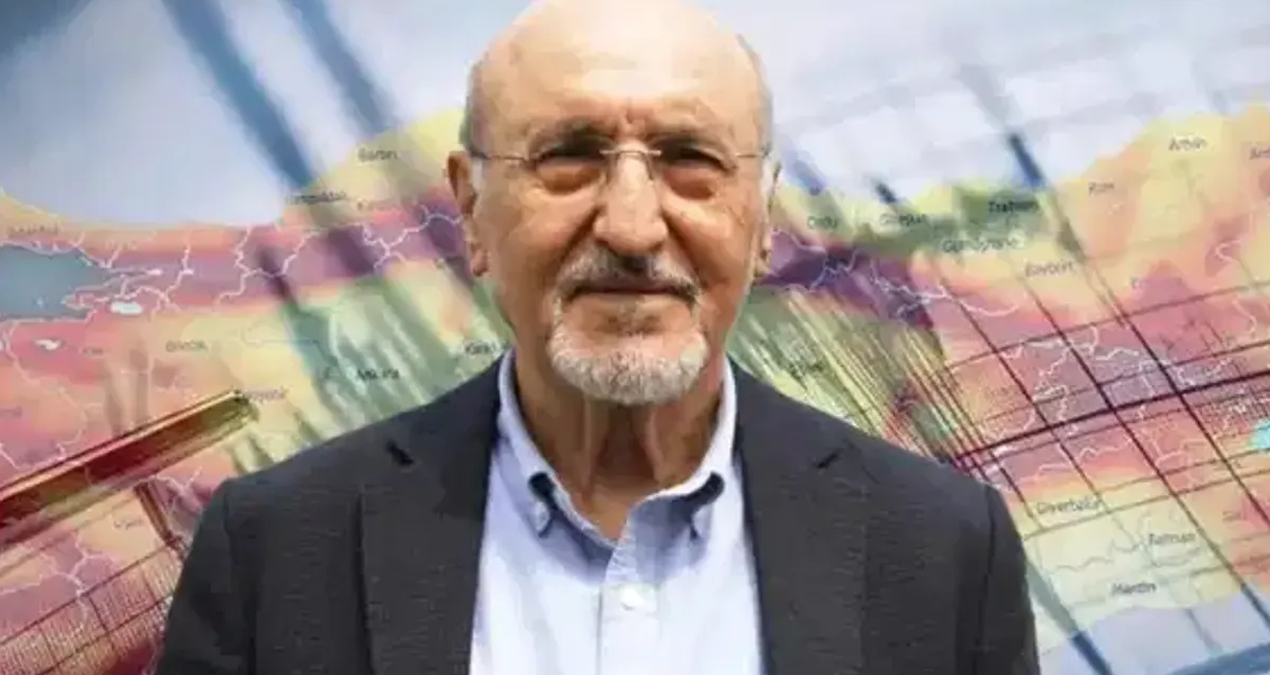

Recent warnings from renowned Geological Engineer Prof. Osman Bektaş have raised concerns regarding the safety of coastal areas and ground structures in Trabzon, Turkey. With a focus on potential risks from distant earthquakes and the vulnerabilities of coastal embankments, Bektaş has emphasized the urgent need for precautionary measures. His statements come in light of recent seismic activities and geological assessments that could impact the region.
| Article Subheadings |
|---|
| 1) Potential Threat from Distant Earthquakes |
| 2) Ground Structure Concerns at Trabzon University |
| 3) The Risks of Coastal Embankments |
| 4) Observations of Vertical Ground Movements |
| 5) Recommendations for Safety Measures |
Potential Threat from Distant Earthquakes
In his assessments, Prof. Osman Bektaş indicated that Trabzon is susceptible to seismic waves from earthquakes occurring hundreds of kilometers away. The geological analysis shared by Bektaş highlighted findings from a study conducted by Çakır and Erduran in 2004, which documented the impact of 33 medium-sized earthquakes, occurring between 200 and 1000 kilometers away, detected at the Trabzon TBZ station. This research affirms that the region isn’t just isolated from distant seismic activity, contradicting the belief that only local quakes can affect it.
Recent events such as the devastating Elazığ earthquake in 2020 and the massive Kahramanmaraş earthquakes in 2023 serve as poignant reminders of this connection. Bektaş particularly noted the impact felt in Trabzon from these major seismic events, asserting that the region’s seismic profile must be constantly evaluated to ensure the community is aware of potential risks. His warnings extended to an earthquake registering 3.9 in magnitude that occurred in Erzurum-Çat on November 23, 2026, emphasizing that its effects reached the Trabzon area.
Ground Structure Concerns at Trabzon University
Addressing the conditions at the university campus, Bektaş expressed alarm over the decision to demolish accommodations in light of forthcoming evacuation efforts. This move appears to be tied to the geological risks associated with the campus’s location, particularly its proximity to the Akyazı–Sera landslide system. Bektaş stated that the foundations and structural integrity of the university’s facilities must be rigorously assessed, noting that any negligence in understanding the ground characteristics could lead to unsafe living conditions for students and staff.
The decision to evacuate indicates acknowledgment of these risks, yet Bektaş insists that more thorough geological studies need to be conducted to inform any future constructions. He reiterated that local geological features must be considered carefully in all development plans, especially when they involve large populations such as students who depend on safe living and learning environments.
The Risks of Coastal Embankments
One of the focal points in Bektaş’s warnings pertains to the coastal embankments and beach dunes in Trabzon. He emphasized these structures as potential amplifiers of seismic activity, suggesting they could increase earthquake magnitudes by 4 to 5 times. The implications of this are profound, as it means that during seismic events, the coastal geography could considerably exacerbate the level of danger faced by residents and infrastructure.
His insights into the coastal dynamics also reflect concerns over long-term geological processes that may compromise these areas. Consideration must be given to the way these embankments and dunes respond in the event of seismic disturbances, with particular focus on how historical data correlates with modern ground stability. His calls for immediate attention to these coastal structures emphasize the need to incorporate the latest research into urban planning and disaster preparedness strategies.
Observations of Vertical Ground Movements
Further solidifying his warnings, Bektaş underscored the alarming vertical ground movements occurring along Trabzon’s coast. He illustrated that normal fault blocks are shifting in various directions, which poses a risk of uneven land displacement. As a result, Bektaş pointed out that these faults cause differential movement where certain areas experience uplift while others face subsidence, leading to the formation of marine terraces above sea level.
In a detailed explanation, Bektaş noted that these movements created variances in the shoreline that could have severe implications for local ecosystems and human activities. Understanding the geophysical interplay is integral to implementing effective coastal management policies, addressing issues such as erosion and habitat loss. The potential for liquefaction during seismic events should also be a primary concern among policy-makers, as it presents new challenges to infrastructure resilience.
Recommendations for Safety Measures
In light of his findings, Prof. Osman Bektaş has urged local authorities and stakeholders to adopt comprehensive safety measures. His recommendations include conducting systematic geological surveys across coastal and at-risk urban areas, particularly focusing on ground movements and structural stability. He suggests the establishment of an early warning system and disaster preparedness protocols that inform residents of any impending risks associated with seismic activity.
Moreover, Bektaş emphasizes the significance of public awareness campaigns to educate the community about earthquake preparedness, teaching residents how to respond effectively during seismic events. These proactive strategies aim to mitigate risk and enhance community resilience, particularly for those living in vulnerable areas near coastlines and geological fault lines.
Acknowledging the historical context and accumulating body of research should inform future planning and construction efforts. By prioritizing geological integrity, municipal leaders can safeguard the population while promoting sustainable development practices.
| No. | Key Points |
|---|---|
| 1 | Trabzon is at risk from distant earthquakes, leading to significant concern for local safety. |
| 2 | Ground structure instability at Trabzon University necessitates preventive measures and thorough geological evaluations. |
| 3 | Coastal embankments are potential accelerators of earthquake impact, heightening risks to local populations. |
| 4 | Vertical ground movements along the coast could cause significant geological instability. |
| 5 | Immediate safety measures, public awareness initiatives, and comprehensive geological assessments are crucial for community resilience. |
Summary
The warnings issued by Prof. Osman Bektaş underscore a critical need for heightened awareness and preparedness concerning seismic risks in Trabzon. By illuminating the realities of distant earthquake effects, ground instability, and coastal vulnerabilities, his insights call for urgent dialogue among local authorities and the community. Through proactive measures and informed decision-making, it is possible to safeguard the region against future seismic threats.
Frequently Asked Questions
Question: What are the main seismic risks in Trabzon?
Trabzon faces risks from both local and distant earthquakes, as demonstrated by recent seismic data indicating that waves from earthquakes hundreds of kilometers away can impact the region.
Question: Why are coastal embankments a concern during earthquakes?
Coastal embankments can amplify seismic waves, which may increase the earthquake’s impact by 4 to 5 times, posing greater risks to nearby populations and infrastructure.
Question: What safety measures are being recommended for Trabzon?
Enhanced public awareness campaigns, systematic geological surveys, and the establishment of effective disaster preparedness protocols are key recommendations for increasing local safety.
