

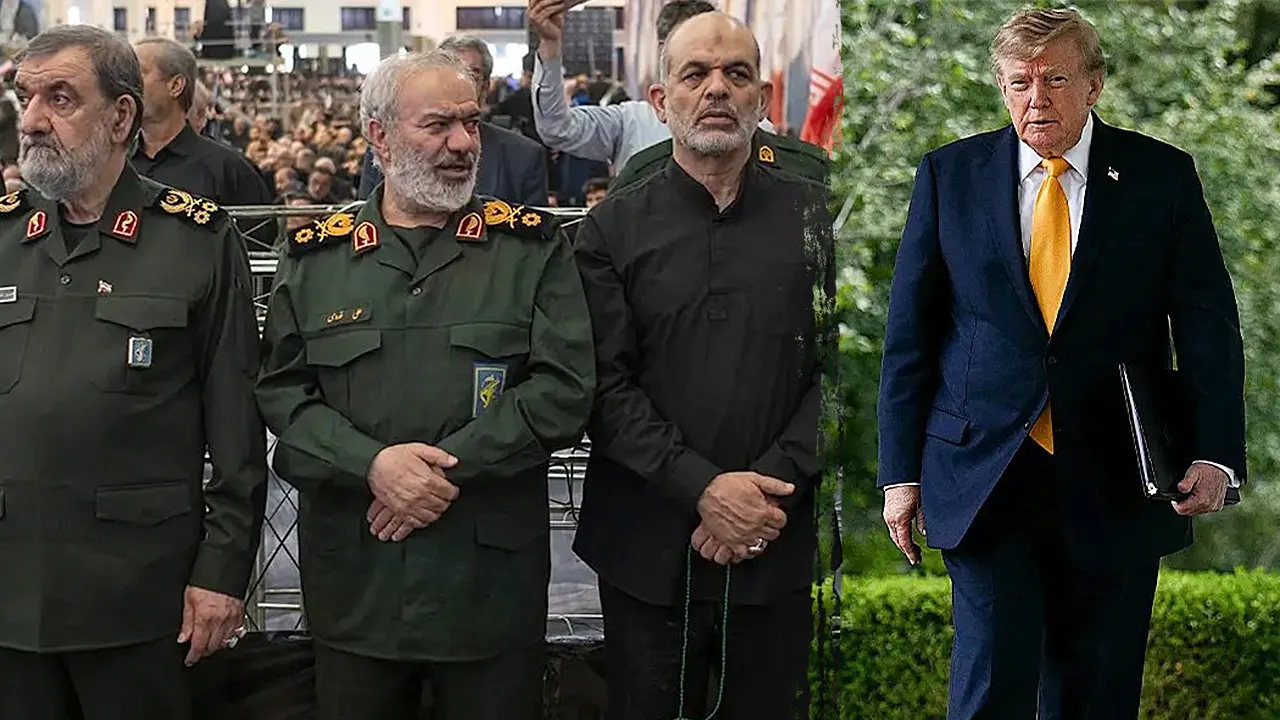

The Trump administration is reportedly revisiting discussions surrounding the potential targeting of high-ranking Iranian leaders as a strategic measure to influence Tehran amid ongoing hostilities. Insiders indicate that eliminating senior figures could demonstrate U.S. capabilities in locating and striking powerful regime leaders, potentially pressure Iran into conceding in the conflict that has now reached its ninth month. The conversations reportedly gained traction following alarming intelligence about Iran’s development of a “dirty bomb” and chemical weapon plots targeting U.S. officials.
| Article Subheadings |
|---|
| 1) Renewed Discussions on Targeting Iranian Leadership |
| 2) Iran’s Current Leadership Context |
| 3) Risks and Consequences of Targeted Strikes |
| 4) The U.S. Military Strategy in the Region |
| 5) Future Implications and Summary of Stance |
Renewed Discussions on Targeting Iranian Leadership
Reports indicate that officials within the Trump administration have reignited discussions about possibly targeting high-level leaders of the Iranian regime as part of their military strategy. According to a U.S. official and sources familiar with the matter, this option has been considered anew in recent weeks, coinciding with President Trump’s evaluation of the conflict. Discussions suggest that the elimination of key Iranian figures could apply significant pressure on Tehran, compelling it to reassess its ongoing resistance.
The deliberations come during a tense period, where U.S. officials are worried about Iran’s potential advancements in nuclear capabilities. Intelligence assessments indicating Tehran’s efforts toward developing a “dirty bomb” have further escalated concerns. Senior administration officials believe that demonstrating the capability to track and strike key Iranian leaders could serve as a potent deterrent against Tehran’s aggressive maneuvers and push them toward negotiation.
Iran’s Current Leadership Context
The leadership of Iran has undergone significant changes in light of the ongoing war. The recent death of former Supreme Leader Ayatollah Ali Khamenei in a military strike has resulted in his son, Mojtaba Khamenei, taking over leadership. Despite being relatively unknown compared to his late father, Mojtaba Khamenei has issued warnings regarding the consequences of U.S. attacks, indicating that Iran’s armed forces are prepared for decisive retaliation.
In addition to Mojtaba Khamenei, other influential figures in Iran’s military architecture are also under scrutiny when considering potential strikes. Notable names include Ahmad Vahidi, Commander of the Islamic Revolutionary Guard Corps (IRGC), Ali Abdollahi, Chief of the Armed Forces, and other pivotal members of Iran’s military hierarchy. All of these figures play critical roles in shaping Iran’s military doctrine and responses to external threats, making them potential targets in this strategic discussion.
Risks and Consequences of Targeted Strikes
While some officials advocate for the targeted strikes as a method to enforce U.S. influence in the region, there are also considerable risks that could accompany such actions. Those opposed to the initiative have raised valid concerns, including fears of severe retaliation against U.S. personnel and allies. There is a belief that such strikes could not only consolidate the resolve of Iranian leaders but may also lead to escalated conflict, undermining any future diplomatic resolutions sought by the U.S.
The ongoing discussion reflects a significant gamble. Experts in international relations warn that targeting political leadership might hinder the prospects of dialogue and peaceful resolution to the conflict, particularly considering the delicate state of U.S.-Iranian relations. The ramifications of any military action could extend far beyond immediate military gains, potentially reshaping the political landscape in the Middle East.
The U.S. Military Strategy in the Region
The U.S. military’s current strategy in the region also includes a focus on maintaining control over vital chokepoints such as the Strait of Hormuz, a key passageway through which a significant percentage of the world’s oil supply is transported. This strategy forms part of a broader operational framework that includes enforcing a robust naval blockade designed to exert economic pressure on Iran.
Senior officials have indicated that the military option remains on the table as long as Iran continues to develop its nuclear program and bolster its military capabilities. The objectives include not only deterring Iranian aggression but ensuring that any military actions undertaken are strategically sound and considerate of the potential consequences.
Future Implications and Summary of Stance
As discussions escalate within the Trump administration regarding the targeting of Iranian leadership, the implications of such actions remain ambiguous. The conflict, which is now nearing its ninth month, continues to elicit a wide range of responses from both U.S. officials and Iranian leaders. The ongoing war poses challenges not only in terms of military engagement but also in navigating the geopolitical complexities of the Middle East.
In a statement attributed to the White House, officials affirmed the administration’s commitment to ensuring that Iran cannot develop nuclear weapons. The evolving situation calls for careful assessment and strategic decision-making moving forward, underscoring the critical need to balance military options with diplomatic efforts to prevent further escalation.
| No. | Key Points |
|---|---|
| 1 | The Trump administration is reconsidering the targeting of Iranian leaders as part of its military strategy. |
| 2 | The current Iranian leadership, including Mojtaba Khamenei, may play key roles in the conflict’s dynamics. |
| 3 | Critics within the administration raise concerns about the repercussions of targeting Iranian leadership. |
| 4 | The U.S. remains focused on maintaining control over strategic areas like the Strait of Hormuz. |
| 5 | The administration pertains to ensuring Iran does not possess nuclear capabilities through stringent measures. |
Summary
In summary, the renewed discussions within the Trump administration about the potential targeting of Iranian leaders reflect both an acknowledgment of the complexities of the ongoing conflict and the urgent need to reassess military strategies. As the situation evolves, the implications of these discussions bear significant weight not only for U.S.-Iranian relations but also for the broader geopolitical landscape of the region. The administration’s balancing act between military action and diplomatic dialogue will be crucial in determining the trajectory of the conflict moving forward.
Frequently Asked Questions
Question: What are the potential risks of targeting Iranian leaders?
Targeting Iranian leaders could expose U.S. officials to retaliatory attacks and may also strengthen the resolve of Iran’s remaining leadership, complicating efforts to achieve a diplomatic resolution.
Question: Who currently leads Iran?
The current supreme leader of Iran is Mojtaba Khamenei, who succeeded his father after the latter was killed in military conflicts.
Question: What is the U.S. military’s main objective in the region?
The U.S. military’s key objective is to prevent Iran from developing nuclear capabilities while maintaining control of crucial strategic locations like the Strait of Hormuz.
