

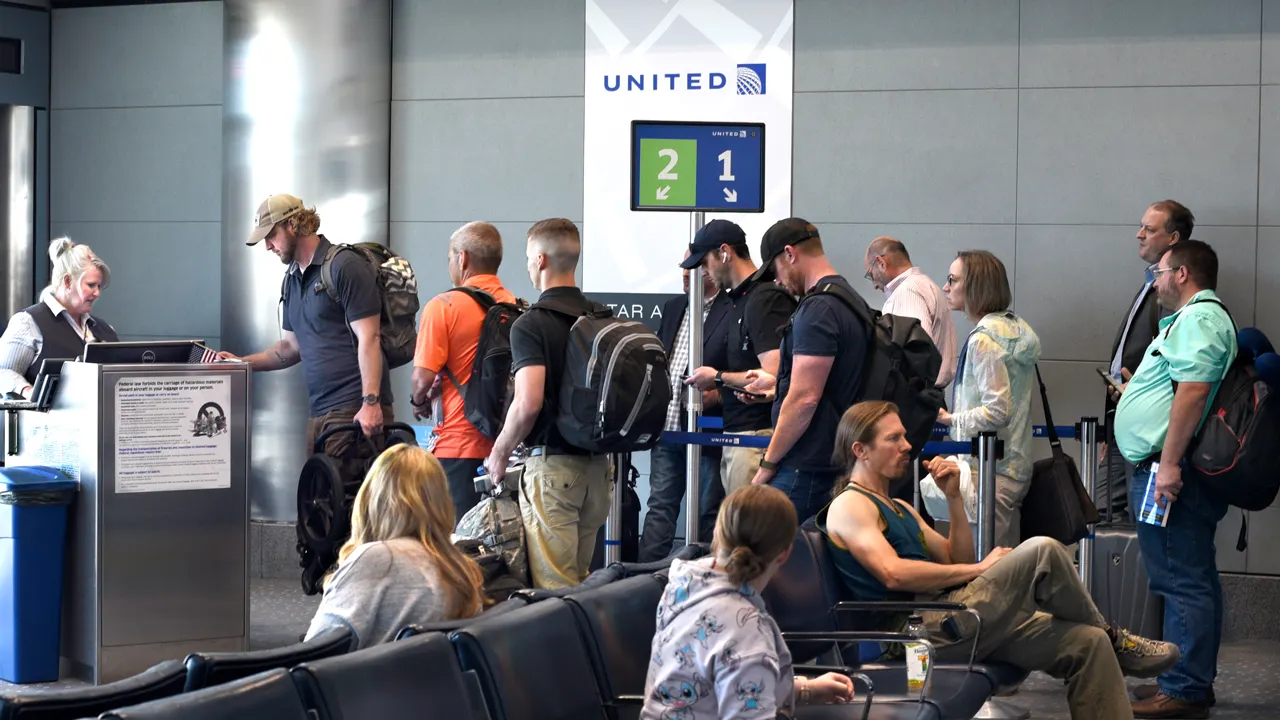

In a move reflecting the growing concerns surrounding artificial intelligence (AI), United Airlines has announced new restrictions on the use of unauthorized AI agents to access its booking systems. This decision aims to protect customer data and ensure the integrity of travel bookings amidst increasing automation in the travel industry. As AI technology evolves, United Airlines emphasizes the importance of maintaining control over reservations and safeguarding sensitive information.
| Article Subheadings |
|---|
| 1) Why United Airlines is blocking AI agents |
| 2) What exactly is an AI travel agent? |
| 3) United says AI agents could create airline safety problems |
| 4) Could United cancel a flight booked by an AI agent? |
| 5) Southwest Airlines is taking a different approach to AI |
Why United Airlines is blocking AI agents
On November 11, United Airlines announced its official decision to restrict access for unauthorized third-party AI agents through a press release titled “United Restricts Access for Third-Party AI Agents.” This action was chiefly aimed at safeguarding customer information and ensuring account security. The airline noted that sharing personal, sensitive account details with AI assistants increases the risk of exposing confidential information. Furthermore, they expressed concerns about automated actions that might inadvertently result in unwanted transactions or alterations to existing flight reservations. Additionally, United Airlines brought attention to the critical issue of frequent flyer miles. The implications of AI actions could lead to unintentional use of a customer’s MileagePlus miles.
United Airlines is undertaking these measures amidst growing scrutiny regarding the extent of control that should be granted to AI technologies in the realm of travel planning. Along with prohibiting unauthorized AI agents from accessing its systems, the airline is also revising its policies to reflect these developments. This includes restrictions on travel agencies and booking services employing AI tools to interact with United’s systems. The precautions reflect the airline’s commitment to its customers’ safety and trust.
What exactly is an AI travel agent?
In the context of travel, AI technology is stepping beyond simple recommendations and analyses. An AI travel agent is designed to not only research vacation options or locate nearby airports but to actively execute bookings on behalf of the user. For instance, customers could instruct an AI to find a flight under a specific budget while ensuring it arrives by a designated time, and the AI would source available flights and initiate the reservation process. This level of access introduces a level of convenience that appeals to many travelers.
However, permitting an AI assistant access to personal airline accounts can present challenges. If these AI systems are granted extensive permissions, they might make transactions that users did not explicitly intend. This blurring of lines concerning automation poses potential risks to user control over personal travel arrangements.
United says AI agents could create airline safety problems
United Airlines extends its concerns beyond customer data by warning that the automation of AI could cause regulatory issues. The airline pointed out that compliance with key safety information requirements set by the FAA (Federal Aviation Administration) and DOT (Department of Transportation) could be jeopardized. A critical instance involves the check-in process, wherein travelers must confirm that their luggage does not contain prohibited items such as hazardous materials.
The airline expressed that, should an AI assistant manage the check-in procedures, it could potentially bypass the requirement of confirming baggage safety. Since an AI lacks personal knowledge of the user’s packed items, this could pose serious risks for flights and compliance with federal regulations. Although United has yet to prove that every AI-assisted check-in inherently violates the law, the airline recognizes the necessity of addressing these safety and regulatory risks.
Could United cancel a flight booked by an AI agent?
The implications of United’s updated Contract of Carriage on November 11 raise significant concerns for travelers experimenting with AI booking tools. The revised guidelines explicitly forbid AI agents from booking or modifying tickets, as well as purchasing any airline products or services. Furthermore, reservations made via AI agents may be subject to immediate cancellation without prior notice.
United clarified that even with traveler oversight or approval, actions taken through AI agents fall under this new prohibition. However, existing bookings before November 11 are exempt from cancellation under these restrictions. Travelers are advised to review their previously arranged itineraries thoroughly, confirming ticket issuance rather than relying on a booking confirmation alone.
Southwest Airlines is taking a different approach to AI
In contrast to United Airlines’s cautious stance, Southwest Airlines is approaching AI integration differently. On October 6, the airline introduced a ChatGPT integration allowing customers to find destinations and shop for Southwest flights through the platform. This innovative feature facilitates the discovery process while still ensuring that all transactions must redirect users to the airline’s website for final purchases.
Southwest’s strategy highlights a more adaptable approach to incorporating AI while retaining control over final booking processes. This balance enables them to leverage AI technology for enhanced customer engagement without relinquishing oversight on transactions. United Airlines, conversely, remains focused on mitigating potential risks associated with AI integrations and is committed to continually evaluating the technology as it evolves.
| No. | Key Points |
|---|---|
| 1 | United Airlines has restricted unauthorized AI agents due to security concerns. |
| 2 | AI travel agents can perform bookings but also pose significant risks. |
| 3 | Automating check-in procedures could violate airline safety regulations, according to United. |
| 4 | United’s revised rules threaten cancellation of AI-assisted bookings. |
| 5 | Southwest Airlines is integrating AI while allowing users to complete bookings directly. |
Summary
The restrictions announced by United Airlines regarding unauthorized AI agents signify a growing focus on securing customer data and preserving the integrity of airline operations amid an increasingly digital landscape. As travelers navigate their options in a world where AI technology is rapidly advancing, the airline upholds a commitment to transparency and safety. This cautious stance suggests the necessity of finding a balance between innovation and maintaining security. With airlines like Southwest Airlines exploring distinct paths in AI integration, the conversation surrounding the role of AI in travel booking is sure to evolve further in the coming years.
Frequently Asked Questions
Question: What are the primary concerns United Airlines has about AI agents?
United Airlines has voiced concerns about data security and the potential for unauthorized transactions, as well as regulatory compliance issues related to safety checks during the boarding process.
Question: How does an AI travel agent differ from traditional booking services?
An AI travel agent can actively search for and book flights on behalf of users, unlike traditional services that only provide information or make manual bookings.
Question: Can travelers still use AI for planning their trips with United Airlines?
Yes, travelers can use AI for general travel planning and advice, but cannot permit AI tools to access United’s systems for booking or management actions.
