

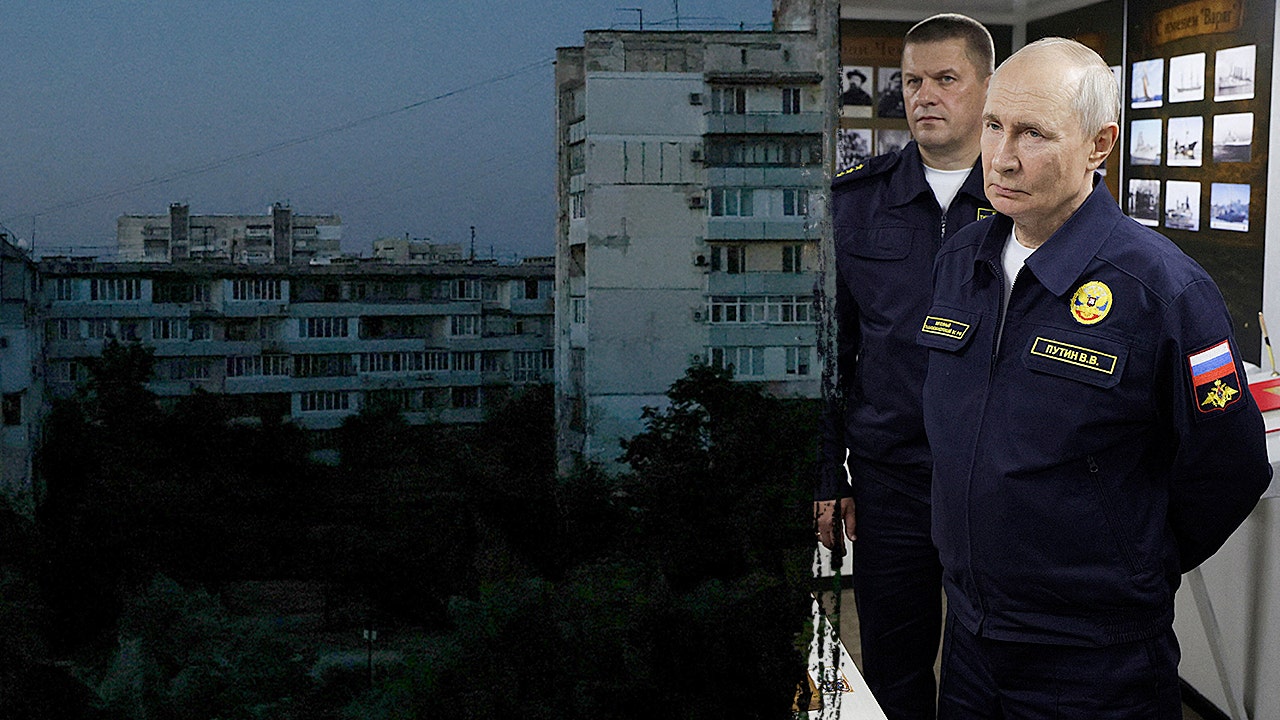

In a significant escalation of tensions, Crimea is facing a massive blackout, disrupting transportation and heating services in response to increasing military pressure. The blackout comes on the heels of Ukrainian strikes targeting the Kerch Bridge, a crucial supply route for Russian forces, amidst warnings from Ukrainian President Volodymyr Zelenskyy about preparations for renewed Russian attacks. The situation remains dire as officials report ongoing threats to energy infrastructure and essential services as fighting continues in the region.
| Article Subheadings |
|---|
| 1) Context of the Blackout in Crimea |
| 2) Impacts on Infrastructure and Daily Life |
| 3) Ukrainian Military Strategies and Warnings |
| 4) Reactions from Russian Authorities |
| 5) Future Implications for the Region |
Context of the Blackout in Crimea
The recent blackout in Crimea can be attributed to a series of military confrontations between Ukrainian forces and Russian-backed entities. On Thursday, Russian-controlled authorities reported extensive power outages across the region. This blackout not only impacts residents’ day-to-day life but also casts a shadow over the strategic value of Crimea, which had already been under intense scrutiny following Ukraine’s successful attacks on the Kerch Bridge, a vital conduit for Russian military supplies. As tensions rise, officials cite escalated incidents involving air raid alerts and explosions across the peninsula, heightening fears of further conflict.
The backdrop of this blackout traces back to the ongoing war initiated by Russia’s annexation of Crimea in 2014 and intensified following its full-scale invasion of Ukraine in 2022. The Kerch Bridge, heavily defended by Russian forces, has become a focal point of Ukrainian military strategies as they aim to disrupt supply lines critical for maintaining Russian operations.
Impacts on Infrastructure and Daily Life
Reports indicate that the blackout has severely affected public transportation systems, with services suspended in various cities including Sevastopol and Simferopol. Residents are experiencing freezing temperatures without heat, a blow to the already strained living conditions exacerbated by the ongoing military conflict. Civic services are also faltering, with public transport replacements and service suspensions contributing to an atmosphere of uncertainty and unrest within the civilian population.
In addition, critical infrastructures such as hospitals and emergency services are of immediate concern. There are fears that if energy supplies are not restored promptly, the ability to respond to emergencies and address civilian needs will be severely compromised. Ukrainian intelligence has highlighted the disturbed energy network as a prime target during this conflict, forecasting that further attacks on critical infrastructure will become commonplace moving forward.
Ukrainian Military Strategies and Warnings
Ukrainian President Volodymyr Zelenskyy has been vocal about the preparations for potential large-scale attacks by Russian forces, urging citizens to stay alert. In his recent communications, Zelenskyy warned of renewed missile threats and reiterated the need for heightened vigilance among the population. The President highlighted intelligence reports indicating that Russia was focusing on energy infrastructure, logistics networks, and essential services for future strikes.
The strategy employed by Ukrainian forces includes not only targeting military assets but also disrupting logistical routes, making it difficult for Russian troops to effectively manage their supply lines. These developments signal a calculated response to ongoing aggression and have raised concerns about an imminent escalation in hostilities.
Reactions from Russian Authorities
In response to the blackout, Russian-controlled utilities blamed the situation on accidents at energy facilities, though many see this as an attempt to downplay the impact of military engagement in the region. The authorities have maintained that efforts to restore power will be prioritized, but the reality on the ground suggests a more complex scenario, evidenced by widespread service outages and disrupted daily life.
Additionally, Russian officials have issued air raid alerts in several areas of Crimea, indicating that they remain on high alert for potential Ukrainian strikes. The narrative painted by Russian officials attempts to illustrate control over the situation, but moments like these further expose vulnerabilities in the infrastructure that Russia has established in Crimea.
Future Implications for the Region
As the situation develops, the implications for Crimea could be profound. Analysts predict that continued military pressure from Ukraine will erode the operational capabilities of Russian forces in the region. Additionally, it raises questions about the future of Russian influence over Crimea since the peninsula has been a cornerstone of its military strategy since annexation.
Furthermore, the prospects for diplomatic solutions become increasingly complicated as violence ramps up. The recent discussions of peace negotiations between Ukraine and Russia, including the intervention of former officials from the United States, further underline the precarious balance of power and the urgent need for a sustainable dialogue to prevent further escalation. The potential for continued strikes from both sides suggests a cycle of retaliation that is likely to ensue, keeping the region locked in conflict.
| No. | Key Points |
|---|---|
| 1 | The blackout in Crimea highlights vulnerabilities in Russian-controlled infrastructure. |
| 2 | Ukrainian intelligence suggests Russian preparations for further aggressive strikes. |
| 3 | Public transport and heating services have been severely impacted, affecting daily life. |
| 4 | Russian authorities downplay the blackout, attributing it to accidents at energy facilities. |
| 5 | Ongoing military strategies from Ukraine target critical infrastructure to disrupt Russian logistics. |
Summary
The blackout in Crimea represents not only a physical disruption of services but also a deeper reflection of the ongoing military tensions between Ukraine and Russia. This situation is compounded by Ukraine’s strategic strikes that aim to weaken Russian military operations and infrastructure. As residents face the challenges of daily living in an environment of uncertainty, the implications for security, infrastructure, and future diplomatic negotiations remain uncertain. The need for a comprehensive resolution is urgent as both sides brace for potential escalations in conflict.
Frequently Asked Questions
Question: What caused the recent blackout in Crimea?
The blackout was attributed to a combination of Ukrainian military strikes on key infrastructure and reported accidents at energy facilities, according to Russian-controlled authorities.
Question: What are the potential impacts of the blackout on residents?
Residents are facing significant challenges, including disruptions to public transport, heating services, and critical infrastructure functioning, which threatens their quality of life in freezing temperatures.
Question: What are Ukraine’s current military strategies regarding Crimea?
Ukraine is focusing on targeting critical infrastructure used by Russian forces to disrupt their military logistics and operations, utilizing intelligence to predict and preempt Russian attacks.
