

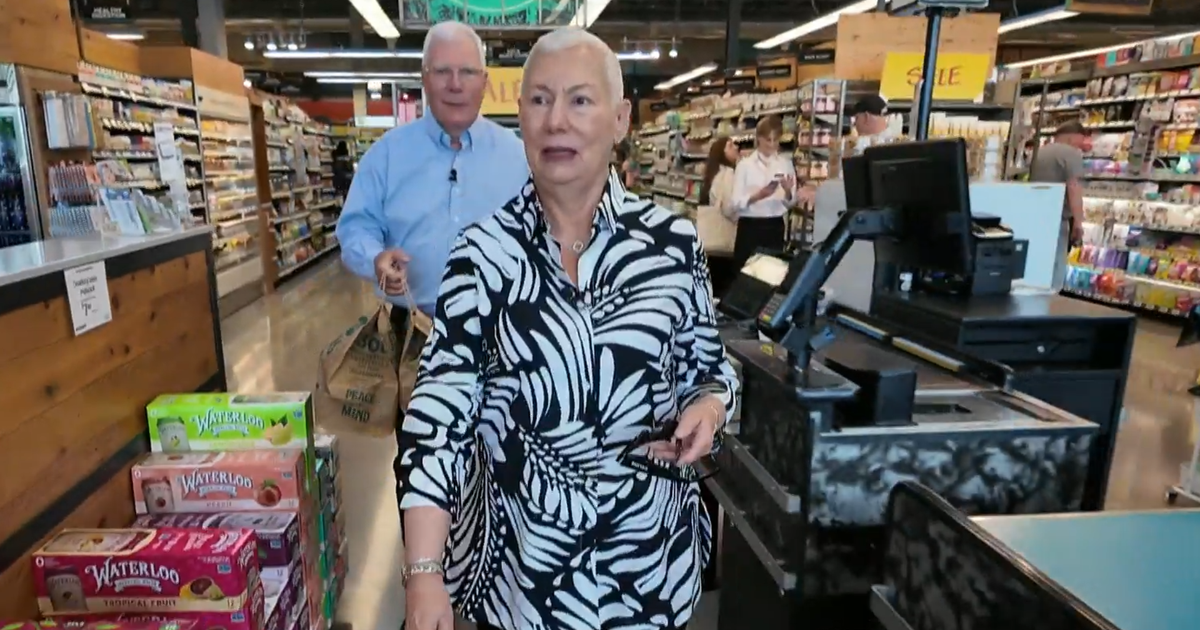

In a time of rising grocery prices and economic uncertainty, many individuals are turning to innovative solutions for their food needs. Retired couple, Doug and Suzanne Stinner, known as “Ma and Pa Stinner,” have gained popularity on TikTok by sharing their experiences with the app Too Good To Go, which connects users with discounted food from local restaurants and grocery stores. With food prices increasing significantly, their story highlights both the growing trend of food waste reduction and the critical need for budget-friendly grocery options.
| Article Subheadings |
|---|
| 1) The Rise of Budget-Friendly Apps |
| 2) The Stinners’ Journey to Savings |
| 3) The Bigger Picture: Food Waste and Inflation |
| 4) The Impact of Reduced Grocery Budgets |
| 5) Looking Ahead: The Future of Food Savings |
The Rise of Budget-Friendly Apps
In recent years, the surge in grocery prices has prompted consumers to seek alternative options for their food shopping needs. Apps like Too Good To Go, Olio, and Flashfood have emerged, offering discounts on surplus food that would otherwise go to waste. As food prices have risen sharply—reported to have increased by 33% between January 2019 and June 2026—the number of users seeking such cost-saving measures has also grown. Reports indicate that usage of Too Good To Go has surged by 30% in the past year alone, reflecting a growing demand for affordable grocery solutions.
These apps not only provide consumers with savings but also play a crucial role in reducing food waste, an increasing environmental and ethical concern. The rise of budget-friendly apps indicates that many consumers are willing to change their shopping habits to align with both their financial needs and their values regarding sustainability. This shift is particularly significant as many households face tightening budgets amid rising inflation across various sectors.
The Stinners’ Journey to Savings
The story of Doug and Suzanne Stinner exemplifies the personal impact of these changes. The couple, who resides in Allentown, Pennsylvania, has leveraged Too Good To Go to great effect, saving over $2,000 in just several months. They have significantly decreased their reliance on traditional grocery stores, effectively eliminating 80% to 90% of their typical shopping trips. This innovative approach enabled them to enjoy unexpected culinary surprises while sticking to their budget.
Their interactions with their followers on TikTok reflect a growing community of budget-conscious consumers eager to share their experiences. The Stinners encourage potential users, informing them about the app’s unique offerings and urging them to embrace the experience, despite initial apprehensions regarding trying new avenues for food shopping. The couple explains that every purchase is like a surprise box, making grocery shopping less of a chore and more of an adventure.
The Bigger Picture: Food Waste and Inflation
The increasing reliance on food-saving apps is tied closely to the broader economic environment. Alongside rising food prices, inflation has impacted various expenses including mortgage rates and energy costs. This multifactorial crisis has placed financial strain on American households, prompting them to reassess their spending habits. Many are attempting to maintain their quality of life while cutting back on non-essential expenditures, particularly in areas like groceries.
According to a recent Consumer Reports survey, approximately one in five Americans reported having to limit their food purchases to manage their electricity bills, showcasing the dire necessity of making financial adjustments. Economic analysts emphasize that the combination of rising prices and stagnant wages has fueled widespread anxiety about affordability. As consumers navigate these challenges, the increasing use of food-saving apps represents a practical response to an escalating crisis.
The Impact of Reduced Grocery Budgets
The Stinners’ story is not unique—many Americans are struggling with how to fund their grocery needs amid rising costs. Reports indicate that customer sentiment regarding finances has taken a significant hit, with confidence indexes plunging to their lowest levels in recent history. Market analysts highlight the psychological toll of economic hardship, with increasing anxieties leading to diminished consumer spending. Households are compelled to find creative strategies to stretch their grocery budgets further.
Using apps like Too Good To Go allows many households to mitigate the effects of inflated food prices. Individuals such as Doug and Suzanne Stinner illustrate how people are utilizing technology to offset their grocery costs without sacrificing quality. Their success story illustrates that while economic conditions may be challenging, individual adaptability and resourcefulness can lead to improved financial outcomes. The story also promotes the idea that community engagement, such as sharing experiences on social media, plays a role in the broader conversation about food waste and affordability.
Looking Ahead: The Future of Food Savings
The innovations in food-saving apps showcase a potential future where technology plays a central role in alleviating economic pressures on consumers. As economic conditions remain unstable, it is likely that more individuals will turn to these platforms for essential purchases. The existing popularity of budget-friendly apps could lead to further development in new solutions that benefit not only customers but also local merchants looking to reduce surplus inventory.
In addition to providing families relief from rising food costs, the continued growth of platforms like Too Good To Go can encourage a cultural shift toward sustainable eating. As awareness of food waste and its environmental impact increases, consumers may prioritize these alternatives as a more responsible way to shop. The Stinners’ success with the app illustrates that consumer-driven changes can have a positive impact on both personal finances and environmental sustainability.
| No. | Key Points |
|---|---|
| 1 | The rise in grocery prices has led to increased usage of budget-friendly apps. |
| 2 | The Stinners save significantly on their grocery bills using the Too Good To Go app. |
| 3 | Inflation has caused financial stress for many American households. |
| 4 | Use of food-saving apps can help mitigate the challenges posed by rising costs. |
| 5 | Future trends in shopping may include a greater emphasis on dining sustainably and technology use for food savings. |
Summary
The stories of individuals like Doug and Suzanne Stinner shine a light on creative approaches to minimizing food costs and managing personal budgets in challenging economic times. Their success with the app Too Good To Go exemplifies how consumers can adapt to rising prices and increased inflation while prioritizing sustainability. The growing prevalence of budget-friendly apps reflects a shift in consumer behavior, suggesting a future where affordability and ecological responsibility go hand in hand.
Frequently Asked Questions
Question: What is Too Good To Go?
Too Good To Go is an application that connects users with local restaurants and grocery stores offering surplus food at discounted prices, thereby helping to reduce food waste.
Question: How can using these apps benefit consumers?
Using money-saving apps like Too Good To Go can help consumers save significantly on grocery bills, allowing them to stretch their budgets further while still enjoying quality food.
Question: What other apps are similar to Too Good To Go?
Other apps similar to Too Good To Go include Olio and Flashfood, both of which offer discounted surplus food options to consumers looking to save money and reduce waste.
