

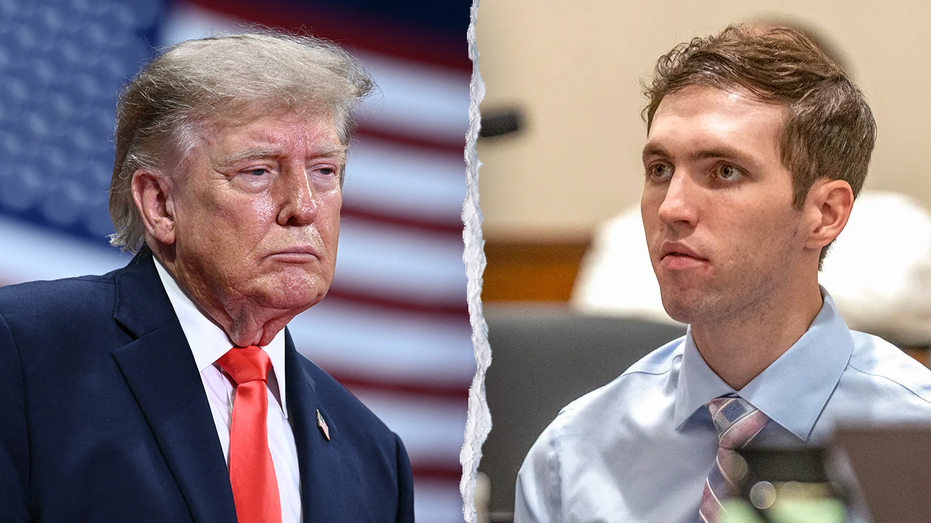

Attorneys for Tyler Robinson, who is accused of killing Charlie Kirk, are asking a Utah judge to prohibit news cameras from an upcoming hearing. The defense argues that a late-October post by President Donald Trump increases the risk that media coverage could prejudice potential jurors. The hearing is scheduled for November 9 and is expected to address the timing of the trial rather than evidence or witness testimony. Prosecutors have proposed a January 2028 trial, while the defense has identified late 2029 as a preferred target.
| 1) | Defense renews request to bar courtroom cameras |
| 2) | Trump post becomes central to prejudice argument |
| 3) | November hearing will focus on trial scheduling |
| 4) | Competing timelines remain before the judge |
| 5) | Defense also challenges the court’s camera procedure |
Defense renews request to bar courtroom cameras
The defense team for Tyler Robinson, 23, has repeatedly objected to still photography and video coverage in court. Earlier efforts to prevent cameras were unsuccessful, but the lawyers have renewed the request before Robinson’s next appearance in Utah. They contend that electronic media coverage creates an unnecessary risk that courtroom statements will be distributed without the surrounding context.
The request concerns the November 9 hearing, which is expected to remain open to the public and press. The defense is not seeking to close the proceeding entirely. Instead, it wants the judge to restrict cameras while allowing journalists and members of the public to attend and report on what occurs.
Trump post becomes central to prejudice argument
The lawyers focused their latest argument on a post that Donald Trump published on Truth Social in late October. Trump criticized the judge after Robinson’s attorney proposed a trial date in the third quarter of 2029 and called for a much faster resolution. The defense says the president’s comments heighten the prejudicial effect of televised or photographed proceedings.
“The judge in the Charlie Kirk case is doing a terrible job!” Trump wrote, while calling for “JUSTICE FOR CHARLIE!”
The defense argues that public comments by politicians could draw on isolated courtroom statements and exert pressure on the proceedings. It says even still images could be circulated and interpreted without context, potentially affecting public attitudes toward Tyler Robinson before jury selection.
November hearing will focus on trial scheduling
The upcoming hearing is expected to address when the murder trial should begin. According to the defense filing, no evidence will be presented and no witnesses are expected to testify. Any scheduling order issued by the court would be publicly accessible, and the proceeding would remain available for public and press coverage apart from the requested camera restrictions.
The scheduling dispute follows the death of Charlie Kirk, who was shot in the neck and killed on September 10, 2025, during a Turning Point USA event at Utah Valley University in Orem, Utah. Robinson is accused of the killing. The case remains pending, and the allegations have not been established at trial.
Competing timelines remain before the judge
Utah County prosecutors have proposed January 31, 2028, as their preferred trial date, although they have said they could be ready by October 2027. Robinson’s defense has proposed late 2029 as a “soft target” date. The competing schedules reflect a central disagreement between the parties over how quickly the case can proceed.
Tony Graf Jr. is expected to address the timing issue at the Monday hearing. The judge’s decision could establish the next major timetable for preparation, although the parties’ positions on cameras and trial publicity remain separate issues before the court.
Defense also challenges the court’s camera procedure
In addition to citing the president’s post, Robinson’s lawyers renewed a standing objection to the court’s process for deciding camera requests. They claim the procedure does not provide witnesses with an opportunity to raise privacy or security concerns. Although witnesses are not expected at the November scheduling hearing, the defense says the procedural issue could affect future proceedings.
The lawyers maintain that continuing electronic media coverage threatens Robinson’s right to a fair trial before an impartial jury. The court must balance that concern against public access and the press’s ability to report on a case involving a prominent public figure. No response from the White House to a request for comment had been reported.
| 1 | The defense wants cameras barred from the November 9 Utah hearing. |
| 2 | Lawyers cite President Donald Trump’s Truth Social post as a source of potential jury prejudice. |
| 3 | The hearing is expected to address trial timing, not evidence or witness testimony. |
| 4 | Prosecutors favor a January 2028 trial, while the defense seeks late 2029. |
| 5 | The defense also disputes the court’s process for reviewing camera requests. |
Summary
The camera dispute is part of a broader fight over publicity and scheduling in the case against Tyler Robinson. The defense says recent political commentary makes electronic coverage more likely to influence public opinion and, eventually, potential jurors. The court is expected to consider the trial timetable and related procedural arguments at the November hearing.
Frequently Asked Questions
Why does the defense want cameras banned?
The defense says cameras could spread courtroom statements and images without context, increasing public bias against Robinson and threatening an impartial jury.
What will the November 9 hearing address?
The hearing is expected to focus on the proposed trial schedule. The defense says evidence and witness testimony are not expected.
When could the trial begin?
Prosecutors have proposed January 31, 2028, while saying they could be ready by October 2027. The defense has identified late 2029 as a preferred target.
