

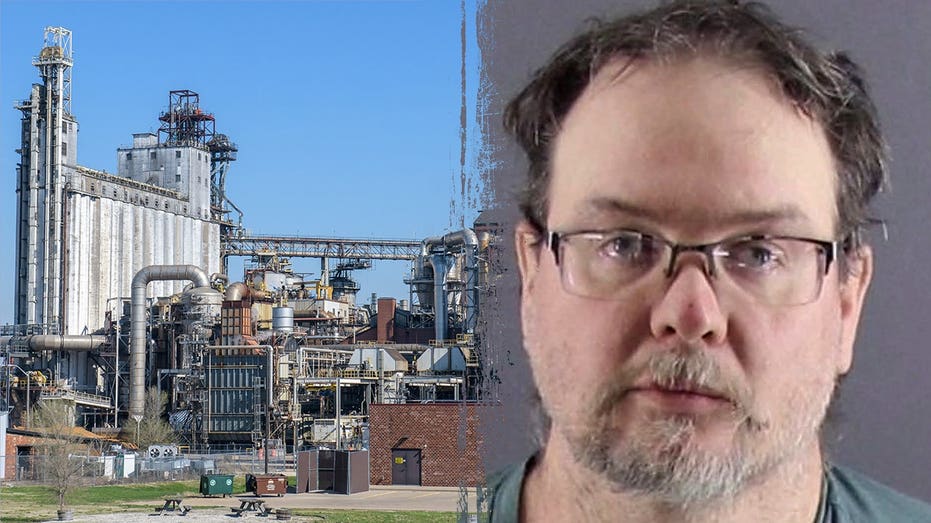

An Illinois ethanol plant worker accused of sending a bomb threat to his workplace will remain in federal custody until trial. Prosecutors say searches of his home and vehicle uncovered bomb-related files, batteries, wiring, copper sheeting and a map of the facility. The alleged threat prompted the evacuation of about 2,500 homes and businesses near Peoria for nearly 24 hours. The suspect has pleaded not guilty to federal charges involving bomb threats and an interstate threat.
Authorities said a partially damaged explosive device was found near a tank at BioUrja Renewables in Peoria on Nov. 13. Investigators are continuing forensic and chemical testing, while the court considers whether additional charges may follow.
| 1) | Court orders suspect detained pending trial |
|---|---|
| 2) | Investigators describe materials recovered in searches |
| 3) | Digital and surveillance evidence links suspect to threat |
| 4) | Defense challenges the connection to the device |
| 5) | Case proceeds toward a December hearing |
Court orders suspect detained pending trial
Andrew M. Kozak of Chillicothe was ordered held without bond by Judge Ronald L. Hanna after prosecutors presented evidence during a detention hearing. The judge found Kozak posed a danger to the public and a flight risk, citing his criminal record and the fact that his family had left the area.
Kozak was arrested when he reported for work at BioUrja Renewables on Nov. 16, after the device was discovered. He pleaded not guilty on Nov. 17 to federal charges of making bomb threats and sending a threat across state lines. The initial indictment does not accuse him of building or planting the device.
Investigators describe materials recovered in searches
During a Nov. 16 search of Kozak’s home, FBI agents recovered rechargeable batteries, copper sheeting, wiring and white tape, according to prosecutors. Authorities said the items were consistent with components observed in the partially damaged device near a tank at the ethanol plant.
Prosecutors also said the device contained a powdery substance and timer or remote-control components. A laptop found during the investigation was missing its hard drive. Investigators later located the drive in Kozak’s vehicle with a map of the BioUrja facility. Files on the drive concerned explosives, while online searches included videos about ethanol tank blasts and a prior industrial ethanol plant explosion.
Digital and surveillance evidence links suspect to threat
The alleged threat was sent to BioUrja employees on Nov. 13 with the subject line “severe site security risk.” The message claimed multiple bombs had been hidden inside the facility, prompting emergency action across Peoria and East Peoria. Officials evacuated roughly 2,500 homes and businesses within a one-mile radius for nearly 24 hours.
Prosecutors said surveillance footage showed Kozak arriving at a Peoria grocery store shortly before 9:45 a.m. Someone using the store’s public Wi-Fi created an email account under the name “Jake Armitage” nearly 15 minutes later. Investigators said the account sent the threat at 10:16 a.m., two minutes before footage showed Kozak entering the store. A license plate camera recorded his vehicle leaving after he checked out at 10:31 a.m., and investigators traced account activity to an internet address at his Chillicothe home.
Defense challenges the connection to the device
Kozak’s public defenders argued that batteries, tape and wiring are ordinary household items. They also emphasized that prosecutors have not established that Kozak built or planted the device, limiting the current allegations to threats.
Former FBI investigator and security expert Bill Daly said prosecutors may initially rely on threat charges while forensic and chemical testing continues. He noted that the absence of bomb-making or planting charges in the first indictment does not necessarily mean additional charges will not be filed.
“They had enough to present for the indictment, and as they get more of the information, it gives them time to pull together more of the evidence,” Bill Daly said.
Case proceeds toward a December hearing
Kozak had worked at the ethanol plant for about 10 months before his arrest. Court and corrections records show a two-decade criminal history in Nebraska, including burglary-related convictions in four counties and two periods in state prison between 2008 and 2014.
A pretrial hearing is scheduled for Dec. 3 before U.S. District Judge Jonathan E. Hawley. The Federal Bureau of Investigation, local police and the Bureau of Alcohol, Tobacco, Firearms and Explosives have been involved. Authorities have said the device was credible and capable of causing serious harm as prosecutors continue developing their evidence.
| Number | Key Point |
|---|---|
| 1 | The suspect is being held without bond after a federal detention hearing. |
| 2 | Investigators reported finding bomb-related materials, files and a plant map. |
| 3 | The threat led to an evacuation affecting about 2,500 homes and businesses. |
| 4 | The defense disputes that the seized items prove Kozak built or planted the device. |
Summary
The federal case against Andrew M. Kozak centers on an alleged workplace bomb threat, a device found at an Illinois ethanol plant and evidence recovered from his property. Prosecutors say surveillance, internet records and physical items connect him to the threat, while the defense argues that the government has not proven he constructed or placed the device. Kozak remains detained pending further proceedings, with a pretrial hearing scheduled for Dec. 3.
Frequently Asked Questions
What happened at the ethanol plant?
A partially damaged explosive device was found near a tank at BioUrja Renewables in Peoria on Nov. 13. A threat email prompted the evacuation of nearby homes and businesses.
What evidence did prosecutors present?
Prosecutors cited batteries, wiring, copper sheeting, tape, bomb-related files, a facility map, surveillance footage and internet records.
What charges does the suspect face?
Kozak has pleaded not guilty to federal charges of making bomb threats and sending a threat across state lines. The initial indictment does not charge him with building or planting the device.
When is the next court hearing?
A pretrial hearing is scheduled for Dec. 3 before U.S. District Judge Jonathan E. Hawley.
