

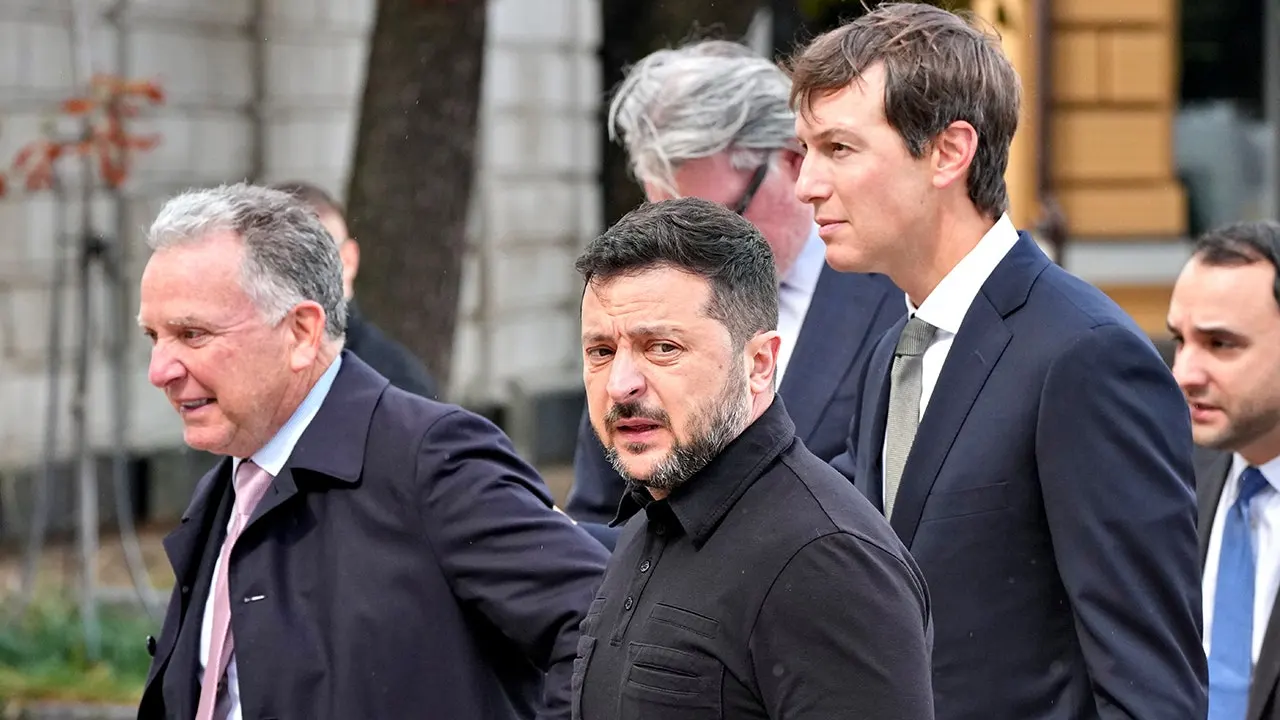

In a significant development toward resolving the ongoing conflict in Ukraine, U.S. officials have announced a new round of peace talks scheduled for November 10 and 11 in Abu Dhabi, United Arab Emirates. Russian President Vladimir Putin has reportedly signaled his willingness to engage, while Ukrainian President Volodymyr Zelenskyy has expressed openness to a strategy that may involve freezing front lines in exchange for security guarantees. The discussions aim to establish a lasting security framework and will include American negotiators meeting with representatives from key European nations to explore comprehensive solutions.
| Article Subheadings |
|---|
| 1) Context of the Ongoing Conflict |
| 2) The Upcoming Peace Talks |
| 3) Statements from Officials |
| 4) Historical Diplomatic Efforts |
| 5) Implications for Regional Security |
Context of the Ongoing Conflict
The war between Ukraine and Russia, which escalated significantly after Russia’s full-scale invasion in February 2022, continues to create a dire humanitarian and economic crisis in the region. With thousands of casualties reported and millions displaced, both countries have found it increasingly urgent to seek a resolution.
As the conflict drags on, the geopolitical battle lines have not only altered the landscape of Eastern Europe but have also led to increased tensions and shifting alliances worldwide. Nations are closely observing developments, with many expressing concern about the long-term ramifications if peace fails to be achieved.
The Upcoming Peace Talks
Next week’s talks in Abu Dhabi are being positioned as a possible turning point in the diplomatic efforts to settle the war. Scheduled for November 10 and 11, these negotiations will focus on critical issues including post-war security arrangements, humanitarian aid, and pathways toward achieving true peace.
The U.S. Special Envoy Steve Witkoff indicated that these discussions are intended to forge a framework that would ensure “lasting security for generations to come.” During the talks, U.S. mediators will strive to balance the interests and demands of both Russia and Ukraine in hopes of reaching a coherent agreement that could be implemented post-conflict.
Statements from Officials
In recent discussions, Zelenskyy has opened the door to the idea of freezing the front lines, a move that could facilitate a longer-term negotiation effort. Reports suggest that this approach is aimed at halting further conflict while establishing security guarantees—something Ukraine has sought since the beginning of hostilities.
Additionally, Witkoff emphasized the importance of these talks in his public statements:
“We look forward to building on the progress made in Kyiv, Oslo, and St. Petersburg toward a comprehensive, durable peace agreement that delivers lasting security for generations to come.”
Historical Diplomatic Efforts
The upcoming negotiations are an extension of prior diplomatic efforts that have taken place in various capitals, notably Kyiv, Oslo, and St. Petersburg. Over the past two years, international stakeholders have been working toward a resolution by gathering key actors from both sides to create avenues for dialogue.
Past meetings have laid the groundwork for these talks, presenting essential insights into the differing positions of both Ukraine and Russia. Previous negotiations have made headway but have often stalled due to increasing demands and misunderstandings regarding security and territorial integrity.
Implications for Regional Security
The outcomes of the upcoming meetings in Abu Dhabi hold significant implications for regional security in Europe and beyond. Should a peace agreement be reached, the ramifications could extend to altered alliances, economic revitalization, and a decrease in humanitarian aid dependencies.
However, failure to produce a meaningful outcome may prolong the conflict, leading to continued instability in Eastern Europe and affecting international relationships globally. The concerted efforts by the U.S. and its allies to mediate a favorable outcome reflect deep-seated concerns for long-term peace and cooperative security arrangements in the region.
| No. | Key Points |
|---|---|
| 1 | Negotiations will take place on November 10 and 11 in Abu Dhabi, UAE. |
| 2 | Both Zelenskyy and Putin have expressed willingness to discuss a potential freeze on front lines. |
| 3 | U.S. officials aim to secure long-term peace and security arrangements. |
| 4 | Prior discussions have set the stage for these upcoming negotiations. |
| 5 | The outcome will significantly impact regional and international security dynamics. |
Summary
The resumption of peace talks between Ukraine and Russia represents a critical step towards potentially ending a long-standing conflict that has led to immense suffering and geopolitical tension. With U.S. officials mediating, the discussions aim to establish an agreement that could fundamentally alter the security landscape in Eastern Europe. The stakes are high, and both sides’ willingness to negotiate reflects the urgent desire to find a path to peace, highlighting the challenges and complexities involved in reaching a durable resolution.
Frequently Asked Questions
Question: What are the main goals of the upcoming peace talks between Ukraine and Russia?
The main goals include establishing security arrangements, exploring humanitarian aid, and ultimately finding a lasting solution to the ongoing conflict.
Question: Why is a freeze on front lines being considered?
A freeze on front lines may serve as a temporary measure to halt further conflict, allowing both parties to negotiate from a more stable position while ensuring security guarantees for Ukraine.
Question: What role are U.S. officials playing in the negotiation process?
U.S. officials are serving as mediators to facilitate discussions between Ukraine and Russia, aiming to guide the negotiations towards a mutually acceptable peace agreement.
