

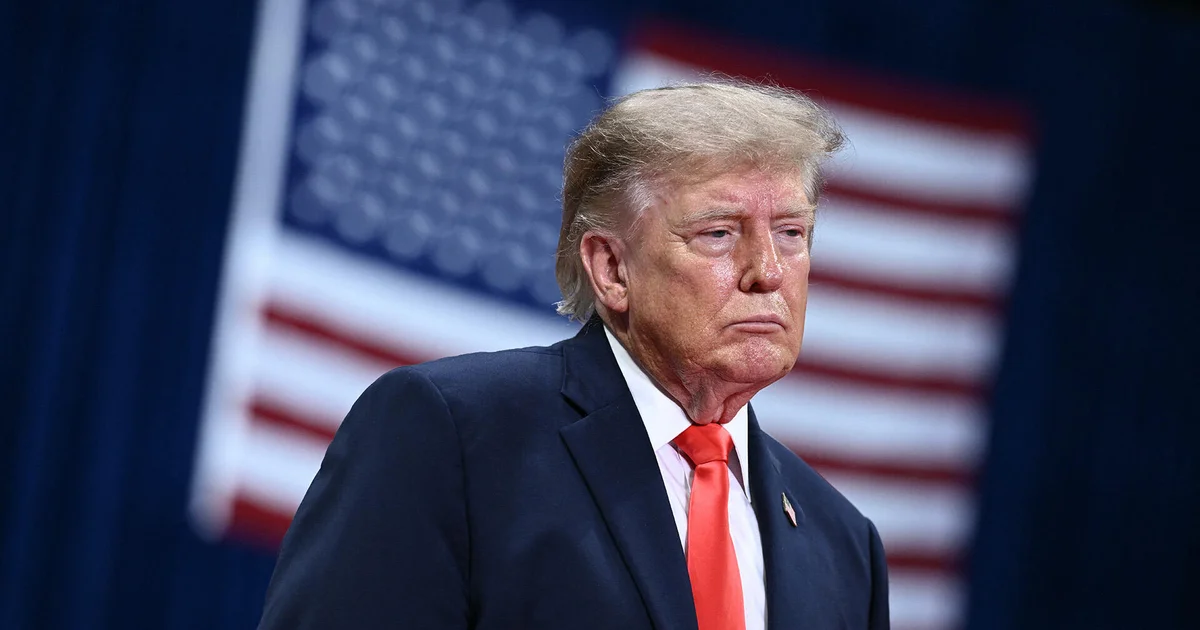

In a significant escalation of military tensions in the Middle East, the U.S. military has conducted limited defensive strikes against Iranian targets near the Strait of Hormuz. This decision follows an incident where the Islamic Revolutionary Guard Corps (IRGC) fired upon an American aircraft. Amid ongoing discussions for a potential U.S.-Iran agreement, President Trump’s administration is weighing the prospects of renewed hostilities with Iran, raising concerns over the geopolitical implications as elections approach both in the United States and Israel.
| Article Subheadings |
|---|
| 1) Overview of U.S. Military Actions |
| 2) Implications of the Strikes |
| 3) Political Context Surrounding Military Engagement |
| 4) Financial Costs of Ongoing Conflict |
| 5) Future Prospects for U.S.-Iran Relations |
Overview of U.S. Military Actions
The U.S. military’s recent strikes targeted locations on Iran’s Qeshm Island in response to aggressive actions by the IRGC, which included the firing on an American aircraft. These strikes, described informally as defensive in nature, mark a notable development in the ongoing U.S.-Iran tensions, which have escalated significantly since the conflict began. The strikes were confirmed by three U.S. officials, underlining the gravity of the situation.
The military actions commenced on the eve of an essential Election Day in the U.S., suggesting a strategic timing that intertwines national security with domestic political considerations. The strikes could signal a shift in military strategy towards Iran, particularly in light of ongoing mediation led by U.S. and Qatari officials to negotiate a potential settlement between the two nations.
Implications of the Strikes
The immediate implications of these military actions are multiple. On one hand, they underscore the U.S. commitment to protect its assets and personnel in the region, demonstrating a proactive rather than reactive military posture. Conversely, these strikes may provoke retaliatory actions from Iran, leading to a cycle of escalation that could destabilize the already volatile region.
With Iran’s military capabilities, including drone and missile technology, there are concerns that U.S. bases in the Middle East could become targets of Iranian retaliation. This situation could potentially heighten tensions not only between the U.S. and Iran but also involve regional allies, particularly Israel, which may feel emboldened to act against Iranian interests in the area.
Political Context Surrounding Military Engagement
The ongoing conflict has significant political ramifications in both the United States and Israel. As the midterm elections approach, President Trump’s administration is navigating a complex landscape where rising costs and geopolitical instability could influence voter sentiment. Rising fuel costs and supply chain disruptions stemming from the conflict in the Strait of Hormuz—an essential oil shipping lane—have been detrimental to the public’s perception of the incumbent government.
In parallel, Israeli Prime Minister Benjamin Netanyahu has been actively involved in discussions with President Trump, advocating for sustained military strikes against Iran. Notably, Netanyahu’s party has suffered losses in Israel’s recent elections, reflecting a potential shift in public opinion regarding military actions and long-term strategies in the region. The intertwining of U.S. and Israeli political dynamics continues to complicate foreign policy decisions related to Iran.
Financial Costs of Ongoing Conflict
The financial impact of the ongoing military engagements has become a significant concern for U.S. officials. As of mid-October, the Iran conflict has cost the U.S. military approximately $47.1 billion, according to new estimates from the United States Central Command (CENTCOM). These figures reflect the immense financial burden of military operations, including the costs associated with munitions and the replacement of lost equipment.
CENTCOM’s estimates detail that approximately $29 billion alone has been expended on replacing used munitions, with an additional $6.1 billion needed for lost equipment, including vehicles and aircraft. The incremental costs, which cover support for U.S. service personnel, have also reached around $11.9 billion. This financial equation does not account for potential long-term costs linked to damages at U.S. military bases, many of which have faced direct attacks from Iranian forces.
Future Prospects for U.S.-Iran Relations
Despite the recent military action, diplomatic efforts to resolve tensions between the U.S. and Iran have not ceased. President Trump has hinted at the possibility of a deal, stating that “Iran wants a settlement, as soon as possible.” These words suggest an openness to dialogue, albeit against the backdrop of ever-increasing military pressures. Trump’s public statements reveal a fluctuating strategy that maintains a tough stance while simultaneously leaving room for potential negotiations.
As the U.S. and Qatari mediators explore avenues for a deal, the likelihood of a sustained military posture against Iran remains a controversial topic within U.S. policy circles. The mixed signals from the Trump administration highlight the complexity of balancing military deterrence with diplomatic outreach. The upcoming electoral period further complicates these dynamics, as American and Israeli political landscapes continue to evolve in response to ongoing conflicts.
| No. | Key Points |
|---|---|
| 1 | The U.S. military has conducted strikes against Iranian targets following tensions with the IRGC. |
| 2 | These actions are set against a backdrop of electoral politics in the United States and Israel. |
| 3 | The cost of military operations in the Iran conflict has reached approximately $47.1 billion. |
| 4 | Financial implications are compounded by potential retaliatory actions from Iran against U.S. forces. |
| 5 | Diplomatic efforts for a U.S.-Iran deal continue despite heightened military engagements. |
Summary
The U.S. military’s recent defensive strikes against Iranian targets represent a concerning escalation of an already tense situation in the Middle East. As geopolitical dynamics evolve with upcoming elections in both the U.S. and Israel, the interplay of military action and diplomatic negotiations has never been more critical. The substantial financial costs of ongoing hostilities further compound the urgency for a resolution, underscoring the need for lasting peace in the region.
Frequently Asked Questions
Question: What triggered the U.S. military strikes against Iranian targets?
The strikes were initiated in response to the Islamic Revolutionary Guard Corps firing at an American aircraft.
Question: How much has the Iran conflict cost the U.S. military?
As of mid-October, the ongoing military operations in Iran have cost the U.S. military approximately $47.1 billion.
Question: What are the current diplomatic efforts regarding U.S.-Iran relations?
U.S. and Qatari mediators are conducting discussions to explore the possibility of a settlement between the U.S. and Iran, despite the military engagements.
