

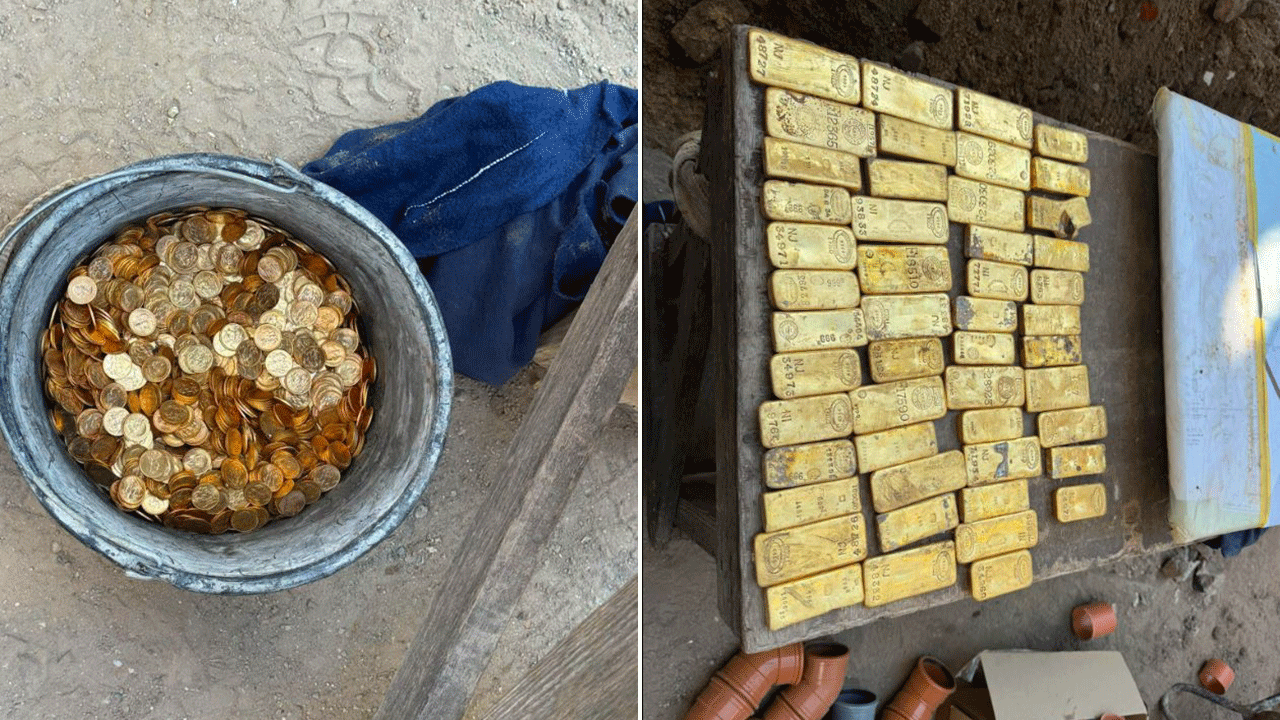

In a remarkable discovery in Sint-Gillis-Dendermonde, Belgium, construction workers unearthed an astonishing $10.4 million worth of gold while constructing a sewer beneath a former brewery. The discovery, made on a routine project, has drawn significant attention as local police were promptly called to secure the treasure. Cataloged and then stored in a high-security vault, the find has prompted discussions about ownership and potential future use of the gold.
| Article Subheadings |
|---|
| 1) Discovery of Gold Under Brewery |
| 2) Immediate Reactions from Workers |
| 3) The Role of Local Authorities |
| 4) Legal Implications of the Discovery |
| 5) Community Impact and Future Prospects |
Discovery of Gold Under Brewery
On a seemingly ordinary construction day, workers in Sint-Gillis-Dendermonde stumbled upon gold while digging below a former brewery site. The finding, estimated at $10.4 million, consists of numerous gold bars and coins Müller while removing a section of the foundation to lay down a new sewer pipeline. This unexpected treasure has attracted the attention of local authorities and media, marking a significant moment in the history of the area.
The brewery itself has a rich history, having transitioned over the years into various uses, which raises curiosity about the origins of the gold. It is essential to understand how a significant quantity of valuable material could end up buried on a site used for different purposes throughout its lifespan. As the investigation continues, officials are keen to uncover any historical data that may shed light on this remarkable find.
Immediate Reactions from Workers
The workers involved were initially shocked by the discovery. An 18-year-old laborer named Kobe expressed his disbelief during an interview. “At first, I thought they were just 1 Euro coins,” he explained. As more gold pieces emerged, their astonishment turned to exhilaration. The project’s leader, Mario, recounted the moment the workers began shouting about their find. “We found gold!” they exclaimed, highlighting the sheer surprise and excitement surrounding the discovery.
Kobe, while reveling in the unexpected fortune, still pondered about the potential of a finder’s fee. The thought of receiving a reward for their discovery adds a layer of anticipation to an already thrilling scenario. Despite the excitement, both workers agreed that the vast amount discovered made any illicit appropriation nearly impossible. Moreover, acknowledging the legal ramifications, they understood that any claim to the gold would be profoundly complicated.
The Role of Local Authorities
Upon learning of the find, local police made swift actions to catalog and secure the gold. Authorities in Sint-Gillis-Dendermonde quickly established a plan for handling the substantial discovery, removing it to a high-security federal government vault for safekeeping. This rapid response reflects the significant legal and historical implications of such findings, which demand proper handling and documentation.
The involvement of local police ensures that the gold is protected while ownership claims are assessed. Officials are working carefully to determine the rightful owner, which could be an individual or an organization. This procedural approach mitigates the risks of theft and ensures a transparent investigation, showcasing the capacity of local law enforcement in managing unexpected situations effectively.
Legal Implications of the Discovery
The legal framework surrounding treasure finds like the one in Belgium falls under specific regulations that dictate ownership rights. Under Belgian law, the rightful owner has a five-year period to claim items discovered. If no owner comes forward within this timeframe, the state may have the opportunity to utilize the treasure at its discretion.
As such, the construction workers who found the gold will not be entitled to keep it, though the notion of a finder’s fee remains a hopeful prospect for them. Mario, the project leader, articulated respect for the process: “It’s about so many coins and bars that almost wouldn’t be possible. Besides, it would also be theft.” This acknowledgment of legal propriety emphasizes the seriousness with which the workers approached the incident.
Community Impact and Future Prospects
The impact of this discovery stretches beyond mere monetary value; it presents opportunities for the local community. The building housing the gold belonged to an organization dedicated to welfare support within the Flemish community. Its director expressed hopes that the gold could be leveraged to assist with the “enormous need we experience daily.” The potential for using these funds to improve community welfare highlights the importance of responsible stewardship of such a significant asset.
Local authorities cautioned against treasure hunting at the site, emphasizing the dangers posed by an active construction area. Police stated that “several dangerous pits” exist, reinforcing the site’s restricted access. They are also hopeful that the discovery might lead to substantial positive changes in the community, facilitating the use of the gold to aid those in need, which showcases a collective aspiration for social betterment.
| No. | Key Points |
|---|---|
| 1 | Construction workers discovered $10.4 million in gold while building a sewer. |
| 2 | Immediate reactions were of disbelief and excitement among the workforce. |
| 3 | Local authorities swiftly secured the treasure and initiated a cataloging process. |
| 4 | Legal implications dictate that the rightful owner has five years to claim the gold. |
| 5 | The director of a local welfare organization expressed hope for the gold’s use in community support. |
Summary
The impressive discovery of gold in Sint-Gillis-Dendermonde serves not only as a thrilling tale of unexpected fortune but also highlights the importance of community welfare, legal frameworks surrounding treasure troves, and the responsibilities that come with such significant finds. As authorities continue to investigate, the future handling of the gold will significantly shape the potential benefits for the local community, drawing attention to how unexpected events can catalyze positive change.
Frequently Asked Questions
Question: What will happen to the gold found by construction workers?
The gold will remain secured in a high-security federal government vault while local authorities work to determine the rightful owner. If no claim is made within five years, the state may decide how to utilize the treasure.
Question: Can the construction workers keep any of the gold?
No, under current Belgian law, the construction workers are not entitled to keep the gold, though they may hope for a finder’s fee as a reward for their discovery.
Question: How did the local community react to the news of the gold discovery?
The local community has shown excitement about the discovery, particularly regarding the potential use of the gold to support welfare initiatives, highlighting a collective desire for positive outcomes from the situation.
