

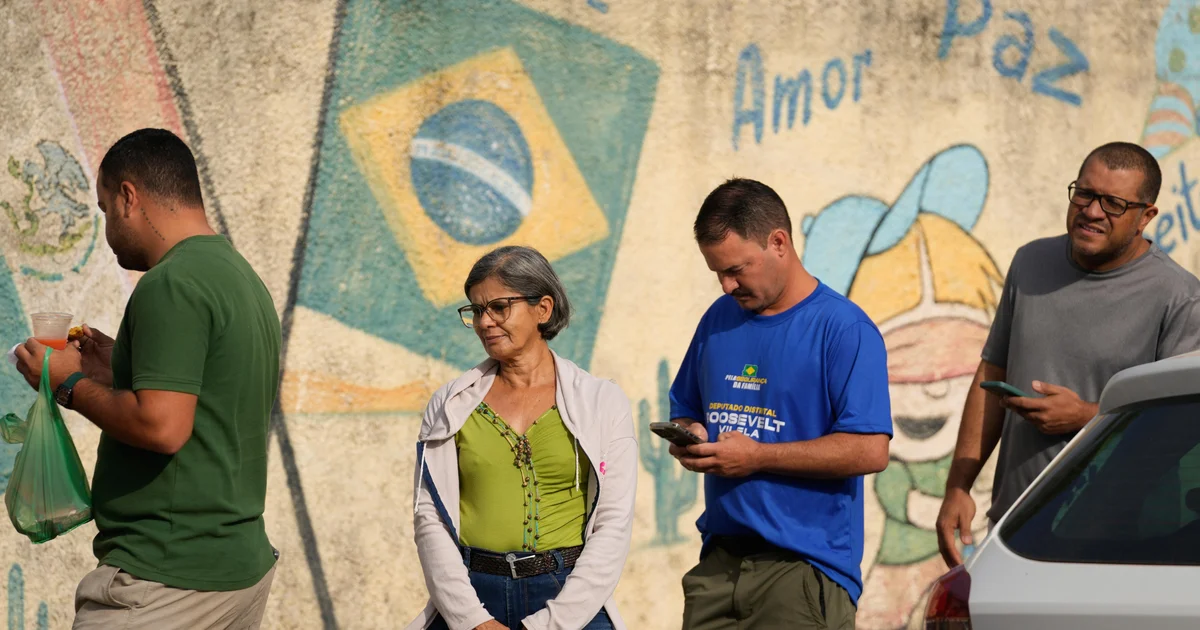

Brazil is gearing up for a climactic presidential runoff election on October 25, as veteran President Luiz Inácio Lula da Silva challenges Sen. Flávio Bolsonaro, the son of former President Jair Bolsonaro. Both candidates failed to secure the majority of votes needed for an outright victory in the initial round, prompting this decisive match-up. With a deeply polarized electorate, each candidate must strategize to appeal to moderate voters while addressing pressing national concerns, including economic challenges and allegations of corruption.
| Article Subheadings |
|---|
| 1) Overview of the Upcoming Runoff Election |
| 2) Background on Candidate Lula and His Challenges |
| 3) Flávio Bolsonaro’s Campaign Strategy |
| 4) Voter Sentiments and Reactions |
| 5) Trust in Brazil’s Voting System |
Overview of the Upcoming Runoff Election
The runoff election set for October 25 will determine the next leader of Brazil, a crucial role given its status as the largest economy in Latin America. According to preliminary results from Brazil’s electoral court, neither Lula, who seeks a fourth non-consecutive term, nor Flávio Bolsonaro, managing to attract a significant voter base, could secure the requisite 50% majority during the initial voting round, which concluded recently. The electoral court reported that Bolsonaro garnered approximately 56 million votes compared to Lula’s 53.7 million, with almost all votes counted. This unexpected turn of events has set the stage for an intense and competitive runoff.
Background on Candidate Lula and His Challenges
Luiz Inácio Lula da Silva, popularly known as Lula, is a seasoned politician who has previously held the presidency and is aiming to reconnect with voters who supported his social reforms. He has positioned himself as a champion of the working class and has often criticized the current administration’s policies, especially in relation to social welfare. However, Lula faces an uphill battle due to current economic conditions, including rising inflation and financial inequality. Despite his past popularity, his approval ratings have suffered during his previous term, particularly due to controversies and corruption scandals associated with his party, the Workers’ Party. Lula is keen to leverage the remaining weeks of campaigning to remind voters of the improvements his policies brought to Brazilian society while attempting to downplay the allegations against him.
Flávio Bolsonaro’s Campaign Strategy
Flávio Bolsonaro has adopted a campaign strategy focused on addressing economic concerns and showing solidarity with Brazilian citizens struggling to cope with rising living costs. He has promoted an agenda that emphasizes tougher stances on crime and corruption, including pledges to improve Brazil’s relations with the Trump administration and enhance the nation’s economic prospects through lucrative deals. Recently, during a public address, he remarked:
“Brazil needs change. Brazil can’t stand so much suffering.”
His messaging resonates particularly with voters who hope for continuity in leadership that aligns with conservative policies. However, whether he can maintain this momentum against Lula’s established base remains to be seen. Balancing the legacy of his father and his own political ambitions poses a significant challenge for him as well.
Voter Sentiments and Reactions
Voters across Brazil display a range of sentiments regarding the upcoming runoff. Many supporters of Lula express dismay over the election results, reflecting a sense of frustration towards perceived conservative influences in Brazilian politics. For instance, Alvaro Senra, a history professor from Rio de Janeiro, expressed his disappointment while affirming that “Lula can still win” if he can galvanize support from undecided voters. Conversely, Bolsonaro’s supporters are adamant about their choice, citing the candidate’s commitment to religious freedom and conservative values. Maria Ribeiro, a cellphone vendor, stated:
“I voted for his father, and I don’t regret it.”
Others highlight fears associated with a potential Bolsonaro victory, especially pertaining to social issues and LGBTQ+ rights, as expressed by Lorena Zschaber, who articulated concerns about the perceived increase in discrimination during the previous administration.
Trust in Brazil’s Voting System
Brazil’s electoral system, which has been in place since the 1990s, is largely regarded as secure and reliable. The Superior Electoral Court representatives emphasized that there have been no significant fraud issues detected during prior elections, reaffirming the system’s integrity. Observers from various organizations have noted that the electronic voting process operates smoothly, further enhancing voter confidence. The electoral court president, Kassio Nunes Marques, assured voters that the process remains transparent and devoid of any serious allegations of interference. Voters like Josemar Lauriano Pereira, a local lawyer, support this view and assert that prompt electoral results discourage attempts to dispute the outcome, reducing opportunities for doubts about the integrity of the vote.
| No. | Key Points |
|---|---|
| 1 | Brazil’s October 25 runoff will be between Luiz Inácio Lula da Silva and Sen. Flávio Bolsonaro. |
| 2 | Neither candidate secured the necessary majority in the first round, with Bolsonaro leading slightly. |
| 3 | Lula faces challenges due to economic conditions and past controversies. |
| 4 | Voter sentiments are polarized, with some concerned about social issues and others focusing on economic reform. |
| 5 | Brazil’s electoral system is viewed as secure, with no significant fraud detected over the years. |
Summary
The upcoming runoff election in Brazil exemplifies not only the political divisions within the country but also the broader implications for Latin America. With Luiz Inácio Lula da Silva seeking to reclaim the presidency against Sen. Flávio Bolsonaro, the stakes are high, hinging on key voter demographics and current socio-economic conditions. As each candidate outlines their strategies for the final weeks of campaigning, their ability to connect with moderate voters and address critical issues will be pivotal in shaping Brazil’s future. The results will determine the direction for a nation rich in resources and potential, making it a focal point of international attention.
Frequently Asked Questions
Question: What is the significance of the runoff election?
The runoff election will determine Brazil’s next president, impacting economic policies, social programs, and the country’s international relations, especially with the United States and China.
Question: How do Brazil’s electronic voting systems work?
Brazil employs an electronic voting system developed in the 1990s, known for its safety and reliability. It has been praised for facilitating quick and accurate election results.
Question: Why is voter sentiment divided in this election?
Voter sentiment is divided along ideological lines, with some supporting social change and inclusive policies, while others advocate for conservative values and economic stability under the Bolsonaro leadership.
