

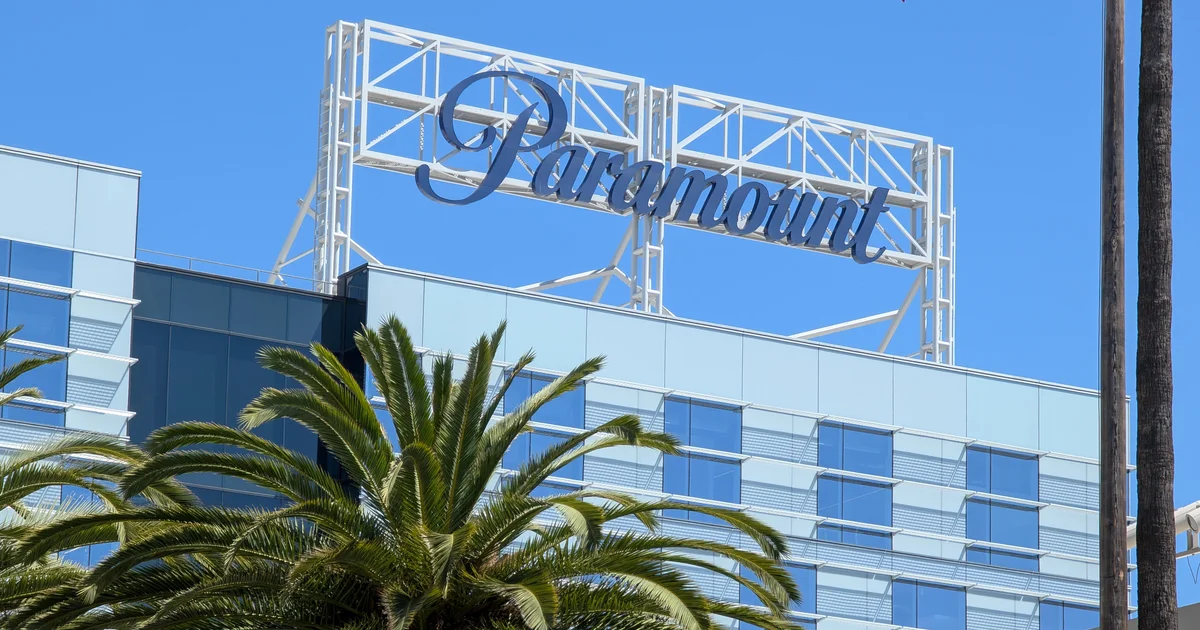

On Tuesday, Paramount Skydance completed its significant acquisition of Warner Bros. Discovery for $110 billion, merging two titans of the film industry known for iconic franchises such as “The Godfather” and “Harry Potter.” This merger not only consolidates their filmmaking capabilities but also combines their news outlets and streaming services, establishing a formidable force in the media landscape under the new name, Skydance. With the transaction finalized, both companies are poised to enhance their competitive advantage and expand their reach in a rapidly evolving market.
| Article Subheadings |
|---|
| 1) Overview of the Acquisition Deal |
| 2) Key Players in the Merger |
| 3) Strategic Goals and Market Impact |
| 4) Legal Challenges and Resolutions |
| 5) Future Outlook for Skydance |
Overview of the Acquisition Deal
The monumental acquisition of Warner Bros. Discovery by Paramount Skydance, valued at $110 billion, signifies one of the largest deals in the media industry. This transaction integrated popular media properties, including iconic films and influential news platforms. The newly formed conglomerate, rebranded as Skydance, aims to channel resources and talent from both studios to create a diversified entertainment portfolio that appeals to various demographics.
As part of the merger, Warner Bros. shareholders are set to receive a cash equivalent of approximately $31 per share of stock. The move indicates a significant reshaping of the landscape where both titans aim to leverage complementary strengths to optimize content creation and streamline operations amidst rising competition within the entertainment sector.
Key Players in the Merger
This acquisition has brought together prominent figures within the entertainment sector. An essential player in this merger is David Ellison, the CEO of Paramount Skydance, who has been instrumental in orchestrating this large-scale acquisition. Alongside him is Ynon Kreiz, the co-CEO and former CEO of Mattel, who provides a unique skill set from the consumer products world to the entertainment arena.
Both leaders communicated a vision for the newly established company in an email to employees, emphasizing the merger’s significance in constructing a “stronger competitor” capable of taking on current industry leaders. Their combined expertise and strategic direction underline a concerted effort to elevate the company’s market positioning and operational efficiency.
Strategic Goals and Market Impact
The strategic goals of the Skydance merger center around enhancing competitiveness in an increasingly crowded media landscape. One of the primary targets set by the new company is to achieve approximately $6 billion in cost savings within a structured timeline, emphasizing a commitment to operational efficiency and financial performance. However, such aggressive cost-cutting measures raise concerns regarding potential job reductions within the workforce.
In a message to employees, Ellison and Kreiz acknowledged that the integration of two major companies would necessitate unsettling changes, including “difficult decisions that affect our workforce.” Despite these challenges, the leadership remains optimistic about leveraging both studios’ creative resources, thereby stimulating a pipeline of blockbuster releases and innovative media content. With collaborative efforts, the company seeks to expand its influence across various platforms, including film, television, and digital streaming services.
Legal Challenges and Resolutions
Prior to finalizing the merger, Paramount Skydance faced significant legal hurdles, including a lawsuit filed by a coalition of 12 state attorneys general and a separate legal challenge from the Writers Guild of America (WGA). Both lawsuits expressed concerns over potential antitrust violations that could emerge from consolidating such large entities in the media industry.
To alleviate these legal concerns, Paramount reached a settlement that resulted in a commitment to produce at least 30 new films in each of the first two years following the merger. Additionally, the agreement stipulates that the company cannot sell or close the Paramount or Warner Bros. studio lots in Los Angeles for a minimum of five years. These measures are designed to ensure that competitive integrity is maintained and to foster transparency throughout the operational processes of the new conglomerate.
In response to these legal negotiations, the California Attorney General’s office announced that Paramount had agreed to establish an editorial board to help maintain the independence of fundamental reporting within its networks, specifically regarding CBS News and CNN. This will help preserve journalistic integrity, a critical element for the continued success and reputation of the merged company.
Future Outlook for Skydance
Looking ahead, the future of Skydance appears filled with promise but is also marred with complexities as the company navigates integration and market dynamics. The leadership’s focus on achieving cost efficiencies indicates a readiness to reshape current practices and potentially redefine workforce roles. Industry analysts will be closely monitoring the outcomes of these changes, as they could have far-reaching implications for content creators and audiences alike.
Furthermore, the merger positions Skydance to exploit the synergies created by unifying major franchises and resources. With unique properties and a shared commitment to innovation, Skydance aims not only to enhance its portfolio but also to raise the bar for entertainment quality. The company’s efforts to undertake significant production activity within the first few years will be critical in establishing its new brand identity and reputation in the industry.
| No. | Key Points |
|---|---|
| 1 | Paramount Skydance’s acquisition of Warner Bros. Discovery is worth $110 billion. |
| 2 | David Ellison and Ynon Kreiz are leading the newly rebranded Skydance. |
| 3 | The merger aims for $6 billion in cost efficiencies but raises concerns about potential job cuts. |
| 4 | Paramount agreed to key legal settlements before finalizing the merger. |
| 5 | Future strategies will focus on leveraging combined resources for innovative and competitive content. |
Summary
Overall, the merger between Paramount Skydance and Warner Bros. Discovery is a landmark event in the media industry, poised to reshape the competitive landscape significantly. As both companies embark on this new journey under the Skydance banner, their focus on operational efficiency, strategic content creation, and maintaining journalistic independence will play pivotal roles in determining the trajectory of their success. The response of the workforce and market to these changes will likely influence future mergers and acquisitions within the industry.
Frequently Asked Questions
Question: What are the main benefits of the merger between Paramount Skydance and Warner Bros. Discovery?
The merger offers substantial benefits, including increased content creation capabilities, enhanced operational efficiencies, and a more competitive position in the media industry.
Question: Will there be job cuts as a result of the merger?
While there are concerns regarding potential job losses due to planned cost savings, the leadership has indicated that workforce changes will be necessary to integrate the two companies effectively.
Question: How will the merger affect the content distribution methods of both companies?
The merger will likely lead to a more streamlined approach to content distribution across various platforms, combining resources and technologies from both firms to maximize reach and effectiveness.
