

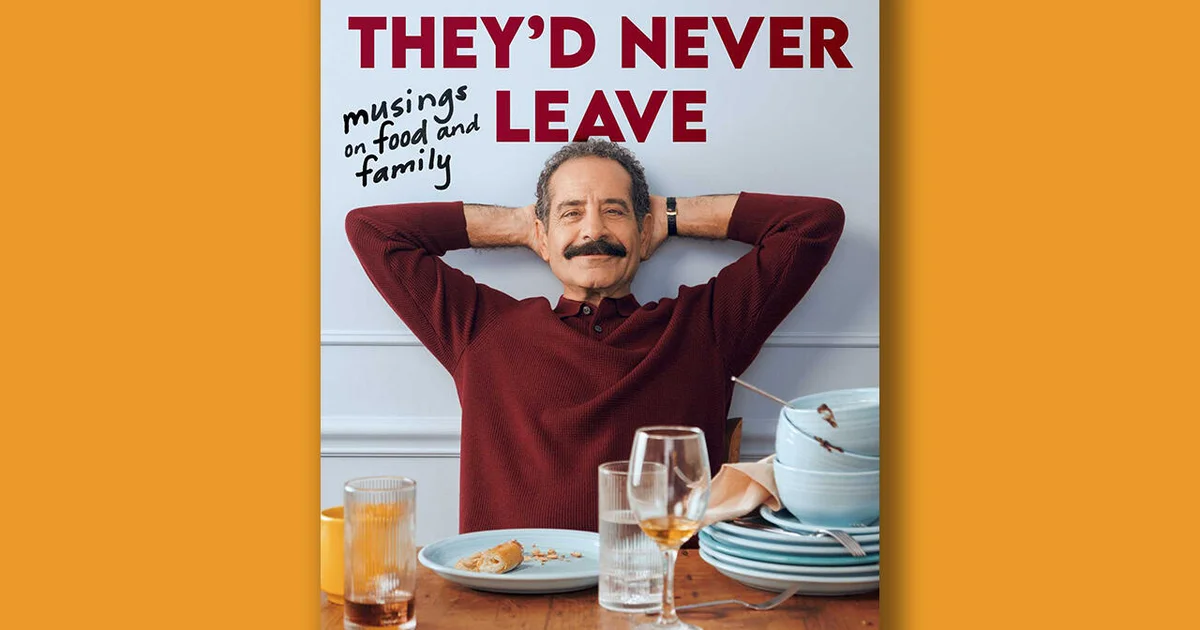

In his latest book, “We Thought They’d Never Leave: Musings on Food and Family”, acclaimed actor Tony Shalhoub shares heartfelt reflections on family and the significance of communal meals. Co-authored with his daughter Josie Adams, this poignant memoir explores the chaos and joys of the family’s annual summer reunion in Wisconsin. It offers an intimate glimpse into how food and connection weave together in the fabric of family life, illustrating why such gatherings continue to hold great importance despite their challenges.
| Article Subheadings |
|---|
| 1) The Purpose of Family Reunions |
| 2) The Logistics of Gathering |
| 3) Understanding Family Dynamics |
| 4) Food as a Connector |
| 5) Why Tradition Matters |
The Purpose of Family Reunions
Family reunions serve as an anchor for relationships that might otherwise drift apart over time. They offer a unique opportunity for relatives to reconnect, share memories, and create new ones. According to Tony Shalhoub, the question of “why” a family would gather every summer is one that is both practical and profound. “Most sane people spend their summers escaping family obligations… We, on the other hand, run toward them,” he observes, indicating that the sentiment is driven by a deep-rooted sense of belonging and the joy of familial love.
Holding a reunion, particularly one of this magnitude, reflects a family’s commitment to nurturing its relationships. In a world where digital communication often takes precedence, these gatherings allow for face-to-face interactions that can strengthen bonds more effectively than text messages or social media posts. The emotional aspects tied to these gatherings often foster understanding and acceptance among family members, making them more vital than vacations.
The Logistics of Gathering
Planning a family reunion of over fifty people requires dedication and teamwork. Each family member plays a specific role in organizing logistics, including setting the menu, cooking, and planning activities. Shalhoub describes the organization as meticulous, with responsibilities assigned in a manner akin to a seafarer crew navigating uncharted waters: “Each family takes a night to cook, how we rotate the duties—head chef, sous chef, cleanup crew.” This structure ensures that every participant has an active role in the festivities.
Furthermore, planning extends beyond mere meals. It encompasses sleeping arrangements, negotiation over shared space, and conflict resolution. Arranging sleeping accommodations can be akin to solving a puzzle, with relatives packed into bunk beds and living rooms transformed into makeshift sleeping quarters. Those logistics might sound daunting to outsiders, but they become part of the glue that binds the family together, creating a shared experience that goes beyond the week itself.
Understanding Family Dynamics
Family dynamics are intricately woven into the fabric of every reunion. Shalhoub emphasizes that the days spent together are not just about eating; they involve “heavy lifting—sometimes literally” and emotional work. The continuous interaction creates a forum for resolving past grievances, understanding differences, and renewing familial ties. Each card game played, every meal disrupted by laughter, and all the banter exchanged serve as affirmations of acceptance and connection.
Moreover, there is an inevitable element of conflict resolution intertwined with such gatherings. With so many personalities in one space, disagreements may arise, but the reunion provides a structured environment where these can be addressed. The emotional labor involved can be extensive, but it also fosters deeper relationships as family members learn more about each other’s perspectives and experiences.
Food as a Connector
Central to the family reunion experience is food, which acts as both a literal and metaphorical binding agent. Shalhoub humorously recounts the cooking mishaps and the way that meals come together even in their chaos. “Someone inevitably forgets the garlic, someone else overbuys it, and another burns it, and yet, it all gets eaten anyway,” he quips. These culinary experiences highlight how food bridges generational gaps and fosters communal identity.
The act of cooking together instills a sense of purpose and accomplishment among family members, intertwining their personal narratives with shared heritage. Shalhoub notes that during these reunions, family members are not only satisfied by the tastes and aromas but also by the stories and memories that accompany the meals. Each dish carries with it information about family history and traditions, enriching the gathering with significance.
Why Tradition Matters
Tradition plays a crucial role in sustaining family ties and creating a sense of identity. Shalhoub believes that the need to uphold these traditions stems from the desire to connect younger generations with their roots. “To explain why we do this, to understand this ritual of ours—the chopping and bickering and feeding—further illustrates the intricate web of connections throughout the family tree,” he explains.
Participating in these familial rituals reinforces the idea that family is integral to individual identity, shaping how members understand their place in the world. The remembrance of shared experiences strengthens familial bonds and instills values that can be passed down through generations. Whether it’s a specific dish cooked each year or a familiar game played, these traditions resonate deeper than the surface, fostering a legacy of love and connection.
| No. | Key Points |
|---|---|
| 1 | Family reunions offer a chance to strengthen relationships through face-to-face interactions. |
| 2 | Planning a reunion demands teamwork, shared responsibilities, and meticulous organization. |
| 3 | Family dynamics include conflict resolution and emotional work that enhance connections. |
| 4 | Food serves as a vital connection, with shared meals encapsulating family stories and history. |
| 5 | Upholding traditions fosters a sense of identity and legacy across generations. |
Summary
In conclusion, Tony Shalhoub‘s narrative encapsulates the beauty and complexity of family reunions, where love and chaos intertwine. Through the acts of preparing meals and engaging in gatherings, families create lasting memories that form a solid foundation for future generations. This memoir sheds light on the importance of food, tradition, and emotional labor in maintaining familial bonds, illustrating why such gatherings endure and thrive despite the challenges they may present.
Frequently Asked Questions
Question: What does Tony Shalhoub’s book focus on?
The book, “We Thought They’d Never Leave: Musings on Food and Family,” focuses on the significance of family, shared meals, and the rituals of family reunions.
Question: How does food play a role in family gatherings?
Food serves as a connector, allowing family members to bond over shared culinary experiences and traditions, enriching their identity and relationships.
Question: Why are family reunions important?
Family reunions are important as they provide opportunities to reconnect, resolve conflicts, and reinforce familial connections that might otherwise weaken over time.
