

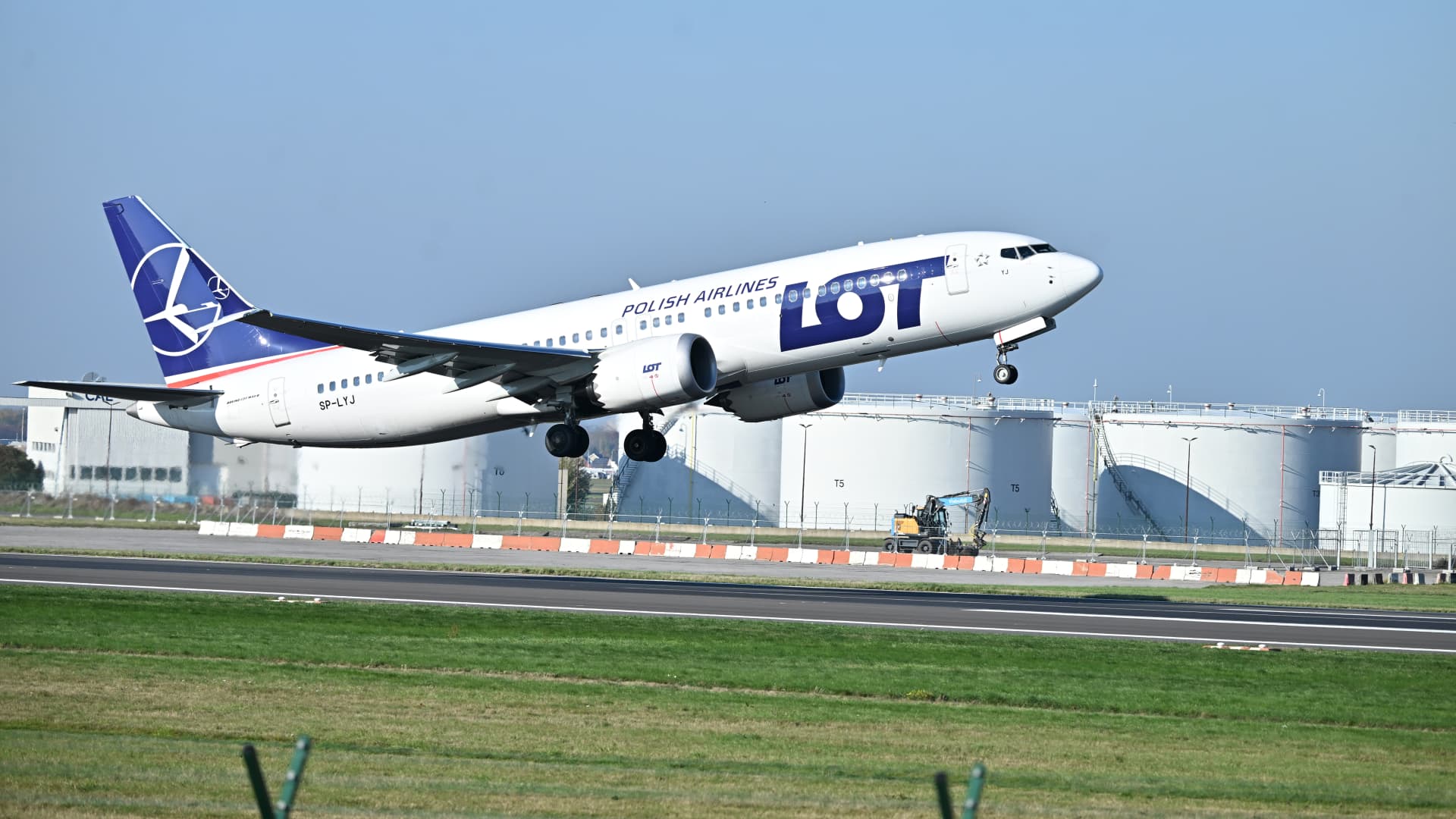

In a concerning trend, European air travel has faced significant disruptions due to a series of bomb threats classified as “hoaxes” this week. On Thursday alone, at least 27 flights were reportedly impacted, with some needing to land unexpectedly and others being escorted by military aircraft. Following a similar pattern earlier in the week, concerns about safety have risen among both airlines and travelers, prompting officials to respond promptly to these threats.
| Article Subheadings |
|---|
| 1) Overview of the Threats to Flights Across Europe |
| 2) Details of Affected Flights and Immediate Responses |
| 3) Security Measures and Investigation Outcomes |
| 4) Airline and Government Reactions to the Threats |
| 5) The Broader Implications for Air Travel Safety |
Overview of the Threats to Flights Across Europe
This week, air travel within Europe has been marred by repeated bomb threats, creating chaos at several major airports. On Thursday, these threats targeted multiple airlines, including Aer Lingus, Finnair, and Wizz Air, leading to disruptions affecting a total of 27 flights. The situation arose just two days after a separate incident involving seven aircraft had similarly raised alarms across the continent. Authorities have described these threats as “malicious hoaxes,” though they have nonetheless precipitated swift and thorough responses from both airlines and law enforcement agencies.
Details of Affected Flights and Immediate Responses
Particularly notable was the situation concerning Finnair, which confirmed that two of its flights — one from Helsinki to Rome carrying 144 passengers and another to Vienna with 177 passengers — received bomb threats on Thursday. These planes landed safely, and no issues were reported upon inspection. Other airlines such as Wizz Air also faced similar threats, with one flight from Milan to Bucharest diverting and landing without incident, while a flight to Warsaw was rerouted. In a statement, Wizz Air acknowledged the frequency of such threatening incidents and underlined that they are not alone in this predicament as multiple carriers have been impacted recently.
Security Measures and Investigation Outcomes
In response to these bomb threats, local authorities in the cities where the affected flights were headed conducted immediate inspections. For example, in Rome and Vienna, authorities did not uncover any explosives or contraband materials on the planes once they landed. Such responsiveness reflects a coordinated effort to maintain safety and security in air travel, prompting rigorous security checks and emergency procedures. Despite these threats being classified as hoaxes, the airline industry is treating each incident with utmost seriousness, given the implications of failing to ensure passenger safety.
Airline and Government Reactions to the Threats
The reaction from companies and governmental bodies has been strong yet measured. Notably, Ben Smith, CEO of Air France, stated that their operations had not been compromised by the bomb threats, but he acknowledged the unprecedented nature of such coordinated threats. He called on consumers to remain undeterred by these incidents, emphasizing their commitment to passenger safety. Meanwhile, U.S. Transport Secretary Sean Duffy indicated that the threats appeared to be false alarms but reaffirmed a collective effort with European counterparts to ensure flight safety, underscoring the importance of vigilance in securing air traffic.
The Broader Implications for Air Travel Safety
The recent incidents highlight ongoing concerns over aviation security in Europe, with officials emphasizing the necessity for heightened safety protocols in response to these threats. The incidents serve as a reminder of the vulnerabilities in air travel networks, even amidst improvements in security technologies. In the broader context, the repeated targeting of European flights raises alarm bells about the measures in place to deter and respond to such malicious actions. The coordinated nature of the threats indicates an alarming trend that could lead to increased scrutiny by regulators and calls for enhanced collaboration among international law enforcement agencies. As travel restrictions continue to ease post-pandemic, maintaining the integrity and safety of air travel remains a paramount concern for both airlines and passengers alike.
| No. | Key Points |
|---|---|
| 1 | Recent bomb threats disrupted at least 27 flights in Europe. |
| 2 | Affected airlines included Finnair, Wizz Air, and Aer Lingus. |
| 3 | Local authorities conducted inspections but found no real threats. |
| 4 | Airline CEOs emphasized the importance of ongoing passenger safety. |
| 5 | The coordinated incidents indicate a concerning trend for aviation security. |
Summary
The recent spate of bomb threats targeting European flights presents a significant challenge for the aviation industry and highlights the necessity for robust security measures. Although the threats have proven to be hoaxes, the impact on travel schedules and passenger experiences has been profound. As airlines and governments rally together to ensure safety and restore confidence in air travel, the need for effective collaboration in combatting such threats has never been more apparent. The outcome of these threats will likely pave the way for future discussions on aviation security standards and enforcement measures across international borders.
Frequently Asked Questions
Question: What are the main effects of the bomb threats on flights?
The bomb threats have resulted in significant disruptions, including unexpected landings, diversions, and heightened security checks across various airlines.
Question: How have airlines responded to the threats?
Airlines have implemented immediate safety protocols, including inspections of flights and maintaining communication with passengers regarding safety measures being taken.
Question: What can travelers do to ensure their safety while flying?
Travelers are advised to stay informed about their flights, adhere to guidelines provided by airlines, and maintain open communication with airline staff for any updates or changes related to travel advisories.
