

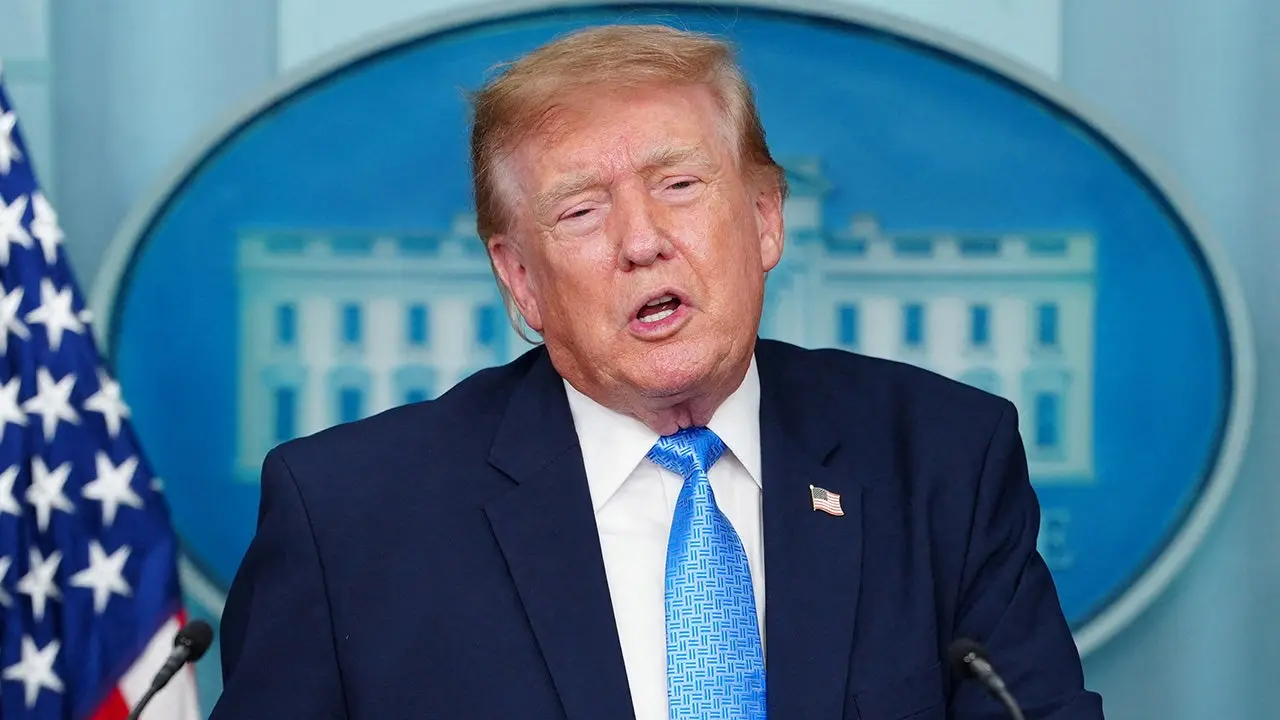

In a recent conversation with C-SPAN, President Donald Trump discussed the implications of his administration’s mass deportation policies, asserting that they have not disproportionately affected law-abiding migrants compared to individuals he labeled as “murderers and drug dealers.” The remarks come amid Trump’s consideration of bipartisan discussions on immigration reform, particularly concerning longstanding undocumented immigrants. He acknowledged the complexities surrounding the enforcement of immigration laws, especially following the midterm elections where Republicans experienced notable losses in Congress.
| Article Subheadings |
|---|
| 1) Trump’s Reflections on Deportation Policies |
| 2) The Aftermath of the Midterm Elections |
| 3) Immigration Discussions with Democrats |
| 4) Reactions to Potential Changes in Immigration Policy |
| 5) Final Thoughts on U.S. Foreign Policy and Immigration |
Trump’s Reflections on Deportation Policies
During the phone call with C-SPAN, President Trump addressed the controversial topic of his administration’s mass deportation agenda. He indicated that his approach had been more focused on serious offenders rather than individuals who are contributing positively to society. Trump pointed out that while law-abiding migrants, such as waitresses and farm workers, have lived in the U.S. for many years, they have not been targeted in the same manner as criminals. He stated, “We certainly haven’t put the same push on them as we have on the murderers or the drug dealers.” This acknowledgment of different treatment raises questions about the overall efficacy and ethics of the current immigration enforcement policies.
The Aftermath of the Midterm Elections
In the wake of the most recent midterm elections, where Republicans lost control of both the House and Senate, President Trump began to reconsider his strategy regarding immigration. He suggested a recalibration may be necessary to appeal to a broader range of voters, particularly those who have been negatively impacted by strict deportation measures. Trump’s comments were reportedly a response to discussions with party members who expressed that hardline immigration policies may have contributed to the party’s electoral losses. The President’s reflections suggest a potential pivot that could affect future legislation and party dynamics.
Immigration Discussions with Democrats
In his interview on “60 Minutes,” Trump indicated an openness to collaborating with Democrats on immigration reform, specifically highlighting long-term undocumented immigrants. He expressed a willingness to “work a deal” for those who have been in America for over a decade, which might signal a shift in his administration’s long-standing position against amnesty. This approach is especially notable after the electoral results that led to increased pressure for compromise in Washington. Trump’s willingness to engage with opposition party members could reshape the immigration debate, leading to potential solutions that address the status of long-term residents working in vital sectors.
Reactions to Potential Changes in Immigration Policy
Despite suggested shifts in his immigration stance, President Trump emphasized that there would be no amnesty for undocumented immigrants. During a White House press briefing, he reaffirmed his commitment to his original policy goals, stating, “there won’t be amnesty, and my policy has not changed.” This assertion shows the duality of his position: willing to negotiate yet firmly committed to certain principles that resonate with his base. The mixed messages may lead to discontent among hard-right supporters while alienating moderates who seek more comprehensive immigration reform.
Final Thoughts on U.S. Foreign Policy and Immigration
While Trump grappled with immigration issues, he also touched on foreign policy during his discussions. His remarks regarding potential military actions in Iran highlighted the interplay between international relations and domestic policy decisions. By linking foreign conflict resolution to immigration discussions, the President appears to be adopting a holistic approach to governance that examines various facets of national policy. Ultimately, his administration’s efforts to balance national security, economic concerns, and humanitarian issues will continue to shape the political landscape as the nation moves forward.
| No. | Key Points |
|---|---|
| 1 | President Trump emphasized that deportation efforts have primarily targeted criminals rather than law-abiding migrant workers. |
| 2 | The midterm elections prompted Trump to reconsider his hardline stance on immigration. |
| 3 | There is an emerging willingness from Trump to negotiate with Democrats on immigration reform for long-term undocumented immigrants. |
| 4 | Despite calls for reform, Trump maintains a firm stance against amnesty for undocumented immigrants. |
| 5 | Trump linked domestic immigration matters to broader foreign policy discussions, emphasizing the interconnectedness of these issues. |
Summary
President Trump’s recent reflections on immigration policy reveal a complex interplay of hardline stances and potential openness to negotiation in the wake of significant electoral losses. As discussions of reform gain momentum, the responses from both Republican and Democratic parties will play a crucial role in shaping the future of U.S. immigration law. The balance between enforcing immigration standards while addressing the concerns of lawful residents and voters will remain a pivotal issue in upcoming legislative sessions.
Frequently Asked Questions
Question: What is President Trump’s stance on deportation?
President Trump has stated that his administration’s deportation policies primarily focus on criminals rather than law-abiding immigrants.
Question: How did the midterm elections affect Trump’s approach to immigration?
Following the midterm elections, Trump expressed a need to reconsider his hardline immigration policies due to the Republican Party’s losses.
Question: Is Trump open to working with Democrats on immigration reform?
Yes, Trump has indicated a willingness to negotiate with Democrats regarding immigration reforms for long-term undocumented immigrants.
