


The U.K. economy exhibited notable growth in the third quarter of 2023, with an increase of 0.7% as anticipated by economic analysts. This growth was primarily driven by the services sector, which experienced expansion and was characterized by significant contributions from information and communication industries. Despite global challenges, such as ongoing geopolitical tensions, the country’s finance minister emphasized the resilience of the economy, suggesting a hopeful outlook for the future.
| Article Subheadings |
|---|
| 1) Services Sector Growth Fuels Economic Recovery |
| 2) Government Financial Leadership Addresses Economic Climate |
| 3) Impact of AI on Economic Performance |
| 4) Future Projections Amid Global Tensions |
| 5) Conclusion and Implications for Policy |
Services Sector Growth Fuels Economic Recovery
The latest reports reveal that the U.K. economy grew by 0.7% in the third quarter, aligning perfectly with economist forecasts. This growth follows an upward trend, as the economy had previously registered a growth of only 0.5% in the second quarter and 0.6% in the first. Year-on-year, the economy expanded by 1.9% in the last three months up until September, signalling a robust recovery despite preceding economic uncertainties. The primary driver of this growth was the services sector, which increased by 0.9%, effectively offsetting a 0.1% growth in production and a notable contraction of 0.7% in construction.
Within the services sector specifically, the information and communication domain emerged as a catalyst for growth, expanding by an impressive 2.1%. This segment has witnessed substantial engagement, particularly due to businesses’ increasing reliance on digital solutions and technology. The Office for National Statistics (ONS) elaborated on this growth trend, noting that firms attributing their substantial turnover increases to activities associated with artificial intelligence and cloud computing have led the charge in GDP growth.
In September alone, the economy exhibited a surprising month-on-month growth of 0.2%, surpassing expectations of stagnation. A revised analysis of August performance struck a contrasting note, as it confirmed zero growth for that month, highlighting the volatility and shifts in economic performance across the quarter.
Government Financial Leadership Addresses Economic Climate
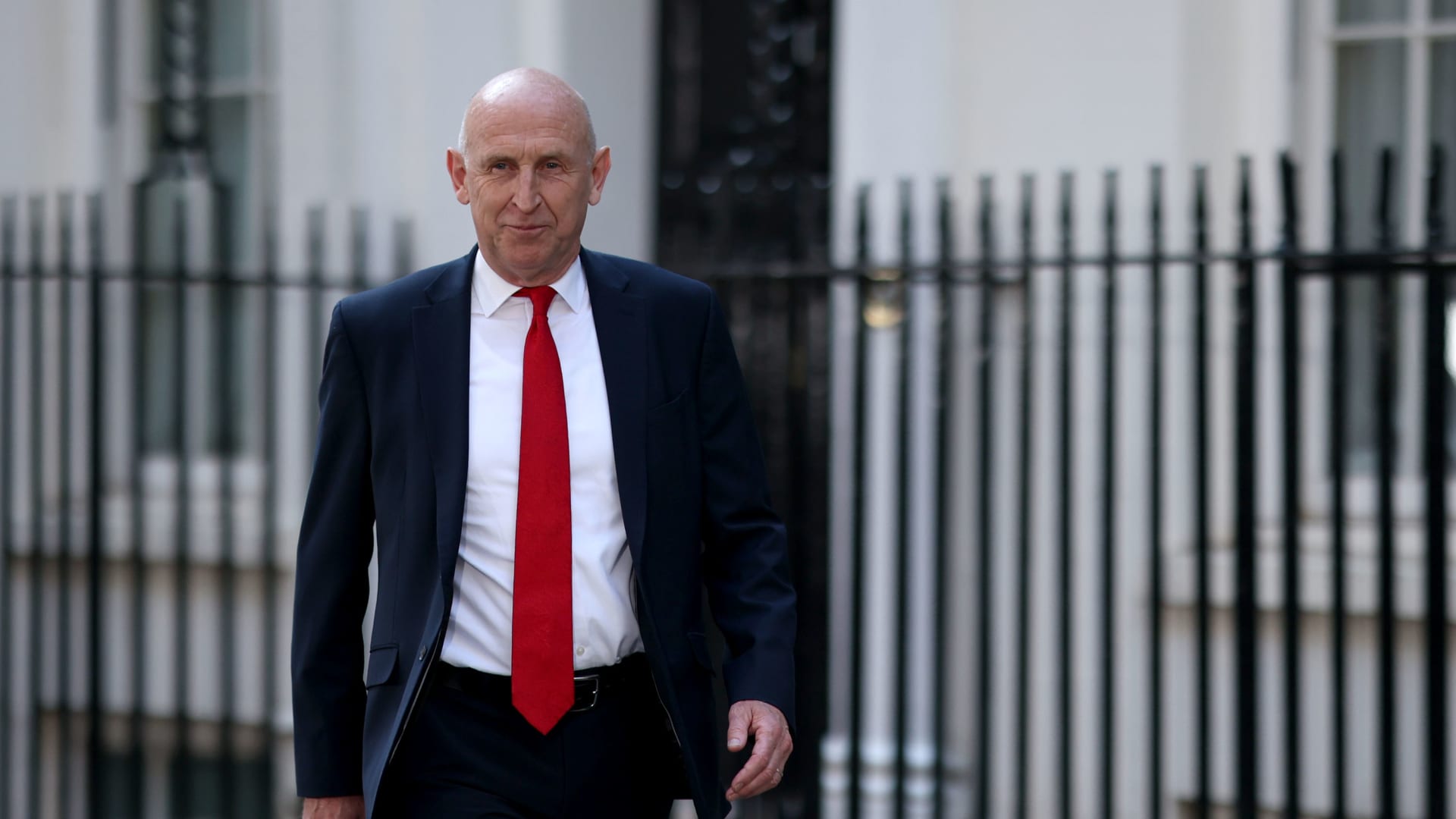
Mr. John Healey, the U.K. finance minister, commented on the positive economic indicators as reflective of the country’s “stand-out resilience.” Notably, he mentioned that the current growth is the most substantial in nearly a decade, exclusive of the pandemic’s impact. Such statements not only aim to bolster national morale but signal to investors both domestically and internationally that the U.K. is firmly on the path to sustained economic recovery.
Prime Minister Andy Burnham echoed these sentiments, categorizing the third-quarter growth as a beacon of hope, illustrating optimism about future economic trajectories. However, as the British pound struggled against other currencies, showing a 0.2% decline against the U.S. dollar, the need for cautious optimism became evident. Amid ongoing tensions stemming from the U.S.-Iran conflict, the potential ramifications on global economic dynamics were acknowledged as critical factors to consider.
Investment analyst Scott Gardner from J.P. Morgan Personal Investing added that the current economic results are somewhat reassuring given the geopolitical climate and were indicative of resilience during challenging times. However, he cautioned that the upcoming months will test this strength, particularly as uncertainties surrounding the Autumn Budget loom. Such nervousness could potentially affect consumer confidence and economic activity in forthcoming GDP evaluations.
Impact of AI on Economic Performance
A substantial factor influencing the recent economic performance has been the proliferation of artificial intelligence, noted by Suren Thiru, chief economist at the Institute of Chartered Accountants in England and Wales. Thiru marked the third quarter as “strikingly strong” due to AI capabilities acting as an extra engine of growth. As businesses continue to increase investments in areas such as infrastructure and technology, they are clearly positioning themselves against global headwinds while simultaneously boosting overall economic activity.
The adoption of AI in the business sector has spurred innovations, further amplifying productivity. According to Thiru, these robust economic figures undeniably keep discussions of a potential interest rate rise in focus. With policymakers now seeing the economy as resilient enough to withstand potential increases in borrowing costs, this economic vitality could lead to recommendations for tighter monetary policies.
The Bank of England’s recent decision to raise interest rates for the first time in three years amid rising inflation underlines this positioning. Annual inflation reached 3.5% in September, and there are projections indicating a potential rise to approximately 5% by mid-2027, showing a complex interaction between economic growth and inflationary pressures.
Future Projections Amid Global Tensions
Looking forward, important discussions are centered on how ongoing tensions, particularly from the U.S.-Iran conflict, could impact economic foundations moving into 2024. Current market evaluations indicate a 73% likelihood of further interest rate hikes by the Bank of England during its December meeting. As policymakers deliberate on strategies to navigate forthcoming challenges, there is an emerging consensus that the U.K. economy may experience slower growth in the final quarter of 2023 and into 2024.
As reported, analysts are closely monitoring market reactions and subsequent adjustments to growth forecasts. Although indicators presently depict resilience, the impact of external factors on domestic economic activity will play a critical role going forward. There remains a cautious optimism that the U.K. will continue its trajectory of growth; however, uncertainties demand vigilant assessment.
Conclusion and Implications for Policy
In summary, the current state of the U.K. economy reveals a complex narrative of growth amid persistent challenges. The impressive performance of the services sector, fueled by technological advancements and a resilient fiscal approach, marks a significant turning point. However, the geopolitical landscape’s potential impact on economic stability necessitates careful monitoring and proactive policymaking.
As the government and economic leaders prepare for upcoming budgets and interest rate discussions, the way they respond to emerging threats will ultimately influence future growth trajectories. Stakeholders must navigate this combination of optimism and uncertainty, ensuring that the U.K. economy remains robust amid external conflicts.
| No. | Key Points |
|---|---|
| 1 | U.K. economy experienced a 0.7% growth in Q3 2023, driven by the services sector. |
| 2 | The growth in the services sector offset declines in other sectors, with significant contributions from information and communication. |
| 3 | Finance leaders assert the UK’s economic resilience despite global tensions, with hopes for sustained growth. |
| 4 | The integration of AI technologies has enhanced productivity and growth within the economy. |
| 5 | Future projections suggest cautious optimism, with potential interest rate hikes considered amid fluctuating inflation rates. |
Summary
The U.K.’s third-quarter economic growth has showcased resilience in the face of international challenges. Led by a thriving services sector and investments in technology, the outlook appears promising. However, economic leaders remain aware of external pressures and potential future headwinds, with upcoming fiscal policies set to play a critical role in sustaining this growth momentum. The need for careful navigation through complex economic conditions will be vital in fostering continued progress as the landscape evolves.
Frequently Asked Questions
Question: How does the U.K. economy’s performance relate to global events?
The U.K. economy is influenced by various global events, including geopolitical conflicts, which can impact investor confidence and market stability. The ongoing U.S.-Iran war, for instance, has raised concerns about its spillover effects on global trade and economic activity.
Question: What role does the services sector play in the U.K. economy?
The services sector is a significant contributor to the U.K. economy, representing a considerable portion of GDP. Growth in this sector has been driven by advancements in technology, particularly in digital services like cloud computing and artificial intelligence.
Question: Why are interest rate hikes being considered?
Interest rate hikes are being considered as a monetary policy response to rising inflation rates. Policymakers aim to mitigate inflationary pressures while ensuring that economic growth remains sustainable amidst ongoing uncertainties.
