

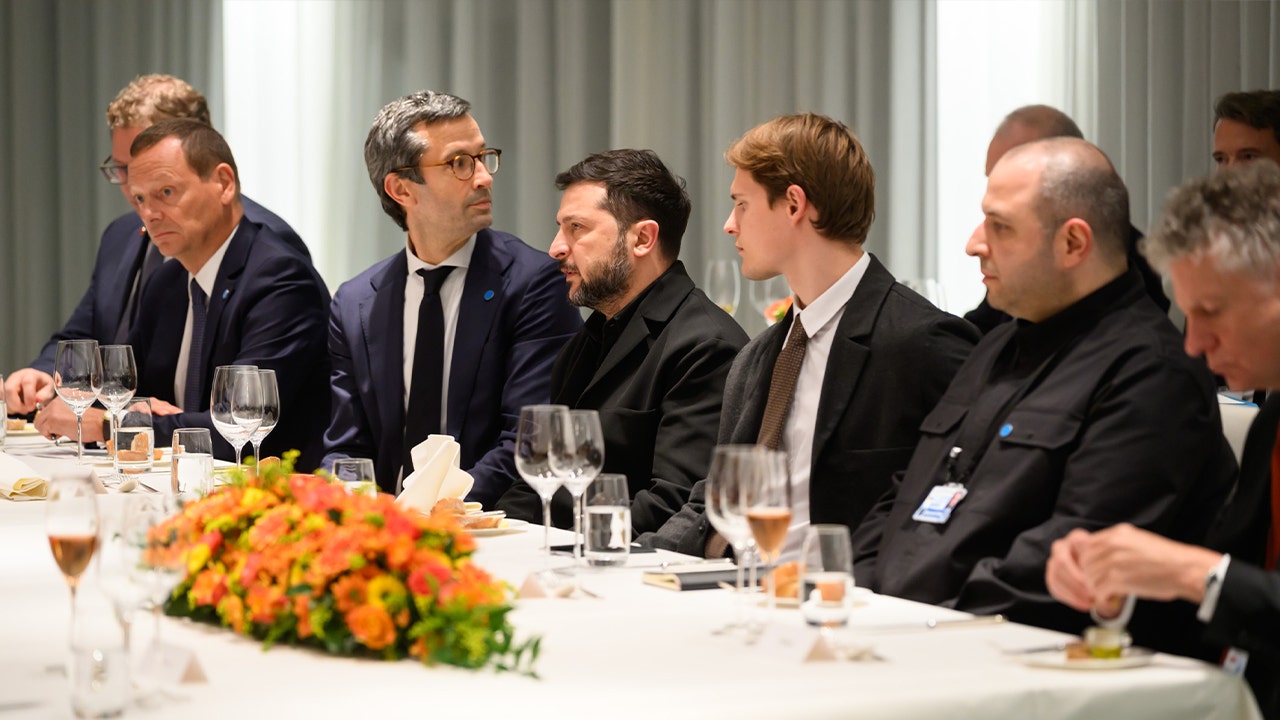

Ukrainian President Volodymyr Zelenskyy has urged the United States to facilitate urgent negotiations with Russia, incorporating full European involvement. This call came during the Coalition of the Willing summit held in Berlin, where discussions centered on providing security guarantees to deter further aggression from Russia. Zelenskyy’s appeal signifies Ukraine’s determination to not be overlooked in U.S.-Russia interactions, especially as new diplomatic avenues are being established.
| Article Subheadings |
|---|
| 1) Zelenskyy’s Call to Action |
| 2) The Coalition of the Willing Summit |
| 3) Russia’s Involvement in Negotiations |
| 4) The Role of the United States |
| 5) Implications for European Security |
Zelenskyy’s Call to Action
President Volodymyr Zelenskyy made a vital appeal for the U.S. to swiftly coordinate talks with Russia, emphasizing the necessity for full participation from European counterparts. This call was made on a recent Thursday following a high-profile meeting with various leaders from the U.S. and Europe. The urgency of this meeting reflects Ukraine’s precarious situation amid ongoing hostilities with Russia, as well as their quest for viable diplomatic solutions to ensure national security and peace.
The backdrop of this call is the escalating tensions and conflict ushered in by Russia’s actions in Ukraine. Zelenskyy reiterated that “maximum coordination” is essential regarding issues of European and Ukrainian security, calling for rapid discussions that could lead toward a resolution of the ongoing war. His emphasis on European involvement is indicative of a desire for a collective effort in addressing the crisis.
The Coalition of the Willing Summit
The summit in Berlin, dubbed the Coalition of the Willing, served as a significant platform for dialogues concerning enhanced security guarantees for Ukraine. During the summit, President Zelenskyy engaged with an assembly of leaders including Jared Kushner and Steve Witkoff from the U.S., along with European officials from nations such as Germany, France, and the United Kingdom. The essence of this gathering was to unite efforts to strengthen Ukraine’s defenses against further Russian advances.
The Coalition’s focus was twofold: firstly, it aimed to bolster security measures for Ukraine and, secondly, to fortify diplomatic ties among allies in the face of Russian aggression. Reports from the summit depict an atmosphere of collaboration, with leaders expressing a strong commitment to stand united against potential escalations of conflict in Europe.
Russia’s Involvement in Negotiations
A crucial development stemming from the summit was the confirmed agreement from Russia to engage in a multilateral negotiating format that would include representatives from European nations. This breakthrough was communicated by U.S. special envoy Jared Kushner, underlining a significant change in the negotiation process concerning the Ukraine conflict. Russia’s willingness to participate highlights a strategic pivot aimed at de-escalating tensions and potentially opening channels for peace talks.
Kushner noted that this new format would also involve discussion related to prisoner exchanges, a positive move considering the humanitarian aspect of the conflict. The prospect of thousands of prisoners returning home in the coming weeks operates as not only a gesture of goodwill but also as a critical component of building trust among negotiating parties.
The Role of the United States
The United States is poised to play an essential role in the unfolding diplomatic scenario, with President Donald Trump reportedly determined to work alongside European allies to finalize security guarantees in the post-conflict era. According to Kushner’s statements, Trump has made it clear that he does not intend to impose a unilateral decision but rather seeks cooperation with European nations to ensure a holistic approach to security and peace negotiations.
This collaborative stance by the U.S. reflects a calculated strategy aimed at fostering stability in Europe while preventing any potential resurgence of conflict post-negotiation. Moreover, the emphasis on inclusivity from nations involved exemplifies a shift towards a more diplomatic and equitable resolution that encourages participation from all affected parties.
Implications for European Security
The repercussions of these negotiations extend beyond Ukraine, as the stability of Eastern Europe hangs in the balance. The prospective involvement of European nations in the negotiation process is critical, highlighting a collective understanding that security in Europe cannot be achieved without addressing the concerns and aspirations of countries like Ukraine.
Furthermore, the developments signify a broader commitment among Western leaders to prevent any further military aggression from Russia, showcasing a unified front that is essential for maintaining peace and order in the region. The current geopolitical climate necessitates heightened vigilance and a concerted effort towards establishing lasting security frameworks.
| No. | Key Points |
|---|---|
| 1 | Zelenskyy calls for a quick multilateral negotiating process involving U.S., Russia, and European leaders. |
| 2 | The Coalition of the Willing summit focused on security guarantees to deter Russian aggression. |
| 3 | Russia has agreed to engage in multilateral negotiations, including discussions on prisoner exchanges. |
| 4 | The U.S. aims to support a collaborative approach to finalize post-war security agreements. |
| 5 | The outcome of these negotiations could significantly impact Eastern European stability. |
Summary
In conclusion, the ongoing diplomatic efforts spearheaded by Ukrainian President Volodymyr Zelenskyy highlight a critical juncture in the quest for peace between Ukraine and Russia. As nations convene to discuss security guarantees and the potential for a multilateral negotiation framework, the involvement of European allies alongside the U.S. emphasizes the importance of a coordinated response to the crisis. The forthcoming discussions will be instrumental in shaping not only the future of Ukraine but also the broader security landscape of Eastern Europe.
Frequently Asked Questions
Question: What is the significance of Zelenskyy’s call for multilateral talks?
Zelenskyy’s call emphasizes the necessity for unified efforts among the U.S., Russia, and European nations to foster a stable diplomatic environment, crucial for addressing the ongoing conflict in Ukraine.
Question: Who participated in the Coalition of the Willing summit?
The summit included key leaders from various nations, such as President Zelenskyy, U.S. envoys like Jared Kushner, and European leaders, all focused on securing agreements to strengthen Ukraine’s defenses.
Question: What impact could these negotiations have on European security?
These negotiations may lead to enhanced stability in Eastern Europe by ensuring that the concerns and interests of countries like Ukraine are addressed, thereby mitigating the risks of future conflicts.
