

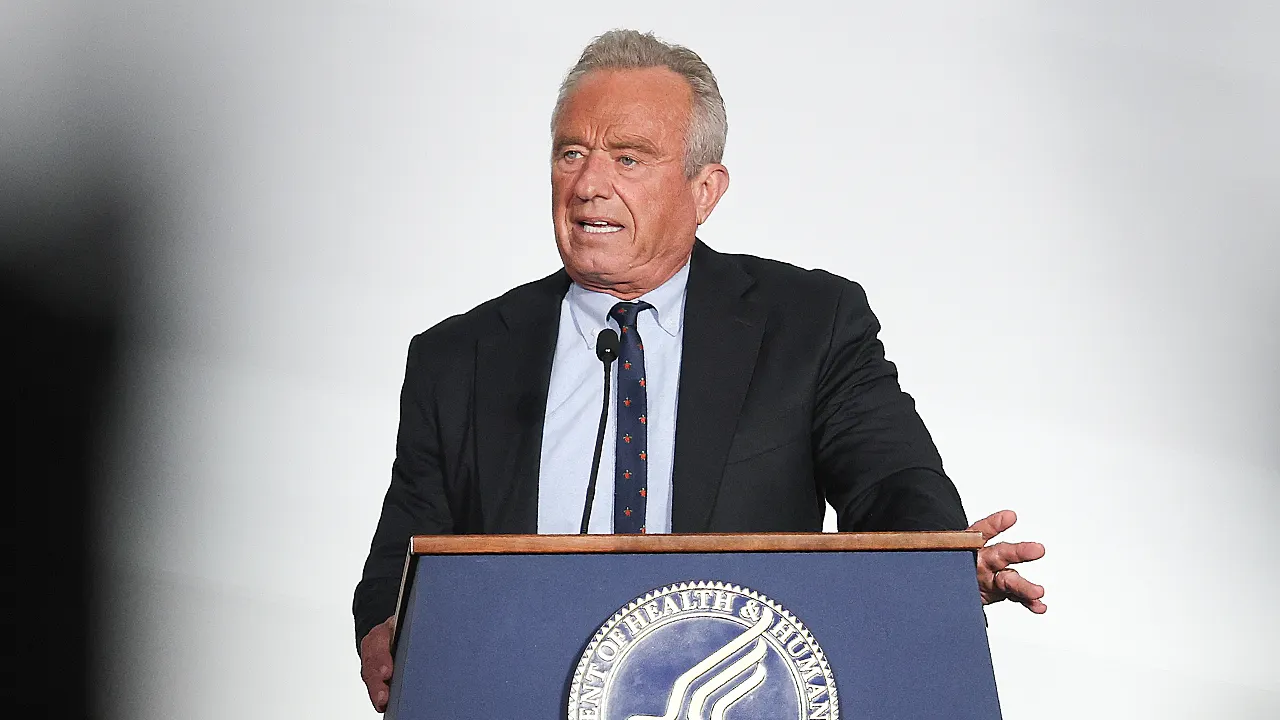

In a significant move aimed at enhancing transparency within theU.S. government’s health sector, the Department of Health and Human Services (HHS) has launched a searchable database of public records. This new initiative includes previously unreleased memos from the Biden administration as well as calendars from Secretary Robert F. Kennedy Jr.. The move comes as part of a broader effort to consolidate and simplify access to public information, especially regarding health policies and decisions made during the pandemic era.
The initial release features important documents, including a memo from the National Institutes of Health (NIH) concerning its management of social media platforms post-Elon Musk‘s acquisition of Twitter. Kennedy emphasized the importance of transparency in health decision-making, promising ongoing updates to the database that aim to hold agencies accountable for their actions. As the launch has drawn mixed reactions across the political spectrum, it underscores the ongoing debate over governmental transparency and accountability.
| Article Subheadings |
|---|
| 1) Introduction of Transparency Dashboard |
| 2) Content of the Initial Release |
| 3) Response from Political Figures |
| 4) Concerns Over Government Corruption |
| 5) Future Plans and Potential Impact |
Introduction of Transparency Dashboard
The Department of Health and Human Services has unveiled its new “Radical Transparency” dashboard, a web-based platform designed to aggregate and disclose public records in a more user-friendly manner. This initiative was announced by Secretary Robert F. Kennedy Jr., who expressed his commitment to reforming the way public health data is released. After taking the helm of HHS, Kennedy vowed to bring back transparency to health agencies, emphasizing that American citizens deserve access to the evidence behind health decisions rather than simply being told to “trust the science.”
Kennedy’s initiative marks a turning point in how information is shared, following criticism of disorganization and inefficiency in the handling of public records. The HHS aims to create a central hub for accessing records that affect the health of Americans, thereby increasing public trust in health agencies’ decisions. This move is especially relevant considering the backdrop of the COVID-19 pandemic, during which access to timely and accurate information has become paramount.
Content of the Initial Release
The launch of the transparency dashboard includes a variety of significant documents, with the most notable being a memorandum from the NIH concerning the department’s social media strategies post-Elon Musk‘s takeover of Twitter. This memo outlines discussions on whether to maintain a presence on the platform, highlighting the agency’s concerns regarding moderation and misinformation in a rapidly evolving communication landscape.
Additionally, Secretary Kennedy’s calendars, which have not been publicly disclosed until now, offer insights into both his initiatives and meetings with health policy stakeholders. The intention behind this release is to grant journalists and the public a clearer view of how decisions are made and prioritize health issues in America. Kennedy has stated that future updates will continue to include relevant documents, making the dashboard a dynamic resource for public information.
Response from Political Figures
The transparency efforts have sparked varied reactions across the political landscape. Many Republican officials have praised the initiative, viewing it as a vital step towards increased governmental accountability. However, Democrats have openly criticized the HHS under Secretary Kennedy, arguing that it has failed to provide sufficient transparency and responsiveness to their inquiries. Congressional Democrats have alleged that the HHS has stonewalled oversight queries, stating that the agency’s responses have been misleading or incomplete.
Concerns have been raised following an official letter sent by 18 Democratic lawmakers, which condemned the agency for an “alarming lack of public transparency.” This letter specifically called attention to delays affecting rural healthcare grants, a pressing issue that has drawn scrutiny amidst accusations of negligence in the disbursement processes. The criticism also extends to earlier actions by HHS, including cuts to the staff handling Freedom of Information Act (FOIA) requests.
Concerns Over Government Corruption
The discourse around the transparency dashboard is accompanied by broader concerns regarding governmental integrity and corruption. Reports of conflicts of interest and self-dealing within the current administration have agitated public opinion, particularly in light of ongoing investigations into fraudulent activities and financial mismanagement within various agencies. Recent surveys indicate that a majority of Americans are worried about corruption in the federal government, highlighting a significant public sentiment that contradicts the transparency promised by Kennedy.
In addition to addressing public transparency, Kennedy’s leadership at HHS has also lined up with efforts to combat resource misallocation and fraud in the health sector. Initiatives such as tracking billions of dollars in suspected fraud through an interactive map have been launched, positioning the Trump administration’s focus on fiscal responsibility as a key priority. However, amidst these initiatives, voters remain wary, questioning the true motives and integrity behind the administration’s policies.
Future Plans and Potential Impact
Looking ahead, the HHS plans to build on the foundation established by the transparency dashboard to foster a more informed public. Kennedy has asserted his intent to continue expanding the types of documents and information available for public access, reinforcing the commitment to accountability in health decisions. This initiative aims to not only improve immediate public access to records but also to instill a broader culture of transparency and trust within health organizations.
As more documents are released, the effectiveness of this initiative in fulfilling its promise will be scrutinized. Experts predict that its impact on public perception of government transparency could contribute to increased trust in health policies, especially if the data provided prove comprehensive and actionable. However, transparency will only be as effective as the willingness of government officials to answer for their decisions and provide meaningful, accessible information to the public.
| No. | Key Points |
|---|---|
| 1 | HHS launches a transparency dashboard to improve public access to health data. |
| 2 | The initial release includes a memo on NIH’s Twitter strategy and Secretary Kennedy’s calendars. |
| 3 | Political reaction is polarized, with criticism from Democrats regarding lack of transparency. |
| 4 | Concerns over government corruption are exacerbated by scrutiny of ethical practices within HHS. |
| 5 | The initiative aims to build public trust and provide ongoing updates to health-related documents. |
Summary
The launch of the HHS transparency dashboard represents a significant step toward improving the public’s access to health information and fostering accountability within government health agencies. While the initiative has received praise from some political groups, it also faces criticism regarding the commitment to true transparency and responsiveness to oversight inquiries. Moving forward, the effectiveness of this platform in reshaping public trust in health information will depend on the volume and clarity of data released, as well as the willingness of administrators to uphold the principles of transparency and accountability.
Frequently Asked Questions
Question: What is the purpose of the HHS transparency dashboard?
The HHS transparency dashboard is designed to provide easier access to public records related to health policies and decisions, thereby improving accountability and public trust in government health agencies.
Question: What types of documents are included in the initial release?
The initial release includes memos from the Biden administration, specifically addressing NIH social media strategies, as well as Secretary Kennedy’s personal calendars.
Question: How has the political response been toward this initiative?
The response has been mixed, with Republicans largely praising the transparency efforts while Democrats have criticized HHS for not being sufficiently open and for allegedly obstructing oversight requests.
