

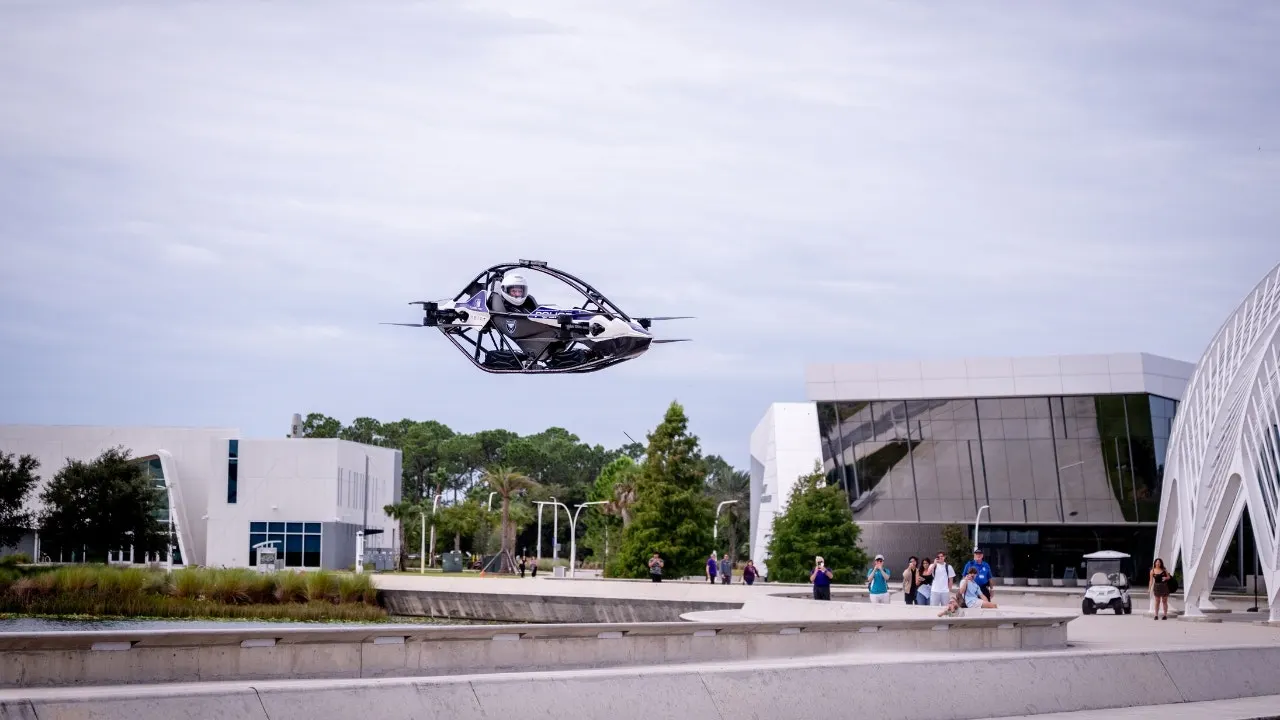

The Florida Polytechnic University Police Department has made strides towards modernizing its emergency response capabilities with the introduction of “Astro,” a new flying patrol vehicle. Developed by Jetson, the Jetson ONE electric aircraft signifies a groundbreaking development in U.S. law enforcement, being the first of its kind to be integrated into a police fleet. As this innovative technology approaches operational readiness, it raises questions about its potential uses, regulatory challenges, and implications for community relations.
| Article Subheadings |
|---|
| 1) Introduction of Astro: Florida’s Innovative Patrol Vehicle |
| 2) Performance and Technical Specifications of Astro |
| 3) Potential Uses in Emergency Response |
| 4) Regulatory Challenges with the FAA |
| 5) Implications for Law Enforcement and Community Privacy |
Introduction of Astro: Florida’s Innovative Patrol Vehicle
The Astro, named after the beloved dog from the animated series “The Jetsons,” signifies a leap forward in patrol technology within the U.S. law enforcement landscape. The Florida Polytechnic University in Lakeland introduced this innovative flying patrol vehicle as part of an exploration into advanced air mobility. Constructed by Jetson, the Jetson ONE is designed to operate as a compact electric vertical takeoff and landing (eVTOL) aircraft, which can ascend into the air without the need for traditional runways.
As police personnel seek to enhance their response capabilities, particularly in navigating challenging terrain or inaccessible areas, Astro emerges as a promising solution. However, it is crucial to note that while Astro has garnered attention for its unique design and functionalities, it still requires Federal Aviation Administration (FAA) approval for operational deployment in police activities. This approval process could dictate the timeline and framework for incorporating such innovative technologies into everyday policing.
Performance and Technical Specifications of Astro
Equipped with eight powerful electric motors, Astro can reach speeds of up to 63 miles per hour, a feature that could significantly decrease response times over large campuses. The aircraft is designed with an open cockpit and a lightweight frame, allowing for improved maneuverability and transportability. The vehicle’s compact design allows officers to store it conveniently and transport it when needed.
Despite its impressive speed, the Astro’s battery life is estimated to allow for approximately 20 minutes of flight per charge. Jetson provides various charging options, including a 240-volt connection for a 90-minute recharge or a standard outlet which takes three hours. Each flight has a maximum weight capacity, which includes the pilot and essential gear, firmly set at 210 pounds—this limitation may impact the aircraft’s effectiveness during missions requiring additional equipment.
The investment required to procure the Astro is approximately $148,000 before taxes, making it a significant consideration for any law enforcement agency contemplating its inclusion in their fleet. Still, its dual role as a law enforcement tool and a research platform for students in aerospace engineering positions it as a valuable asset for future generations of public safety officials.
Potential Uses in Emergency Response
The Florida Polytechnic University Police Department anticipates that Astro could be instrumental in various emergency situations, particularly when conventional roadways become difficult to navigate. For example, during and after severe weather events like hurricanes or storms, traditional vehicles can become immobilized by flooding or debris. In such scenarios, Astro could provide first responders with a bird’s-eye view of the affected areas, enabling a rapid assessment of the damage and coordination of rescue operations.
Police Chief Aaron Murray envisions using the flying patrol vehicle not only for surveillance but also for delivering supplies during emergencies. “Advanced air mobility is a technology on the rise, and we can either choose to be proactive or reactive as it develops,” stated Murray. The department’s exploratory research could pave the way for similar initiatives across other universities and municipal police organizations, promoting collaboration on a broader scale.
However, it’s important to clarify that Astro is limited to a single pilot and cannot accommodate anyone requiring transport during rescues or evacuations. This restriction places further emphasis on the importance of developing accompanying drones or alternative aerial solutions for multi-faceted emergency response capabilities.
Regulatory Challenges with the FAA
Before the flying patrol vehicle can be fully integrated into police operations, it must navigate regulatory hurdles set forth by the FAA. The Jetson ONE was developed around the FAA’s Part 103 ultralight rules, which primarily govern recreational use. However, these regulations do not cover police patrol operations, thus necessitating the need for additional permission under FAA Part 91 rules to conduct public safety missions.
Florida Polytechnic University announced that the request for regulatory clearance was deep in its review process, with expectations for resolution by the end of 2026. Failure to secure this clearance could hinder or delay the deployment of Astro for its intended use within the police department, thus emphasizing the significance of gaining regulatory support for innovative technologies that hold potential for public safety enhancement.
Implications for Law Enforcement and Community Privacy
Astro’s introduction also raises critical discussions around the implications of incorporating aerial technologies into law enforcement—especially regarding community trust and privacy. As flying patrol vehicles become more commonplace, public scrutiny over their operation is expected to increase. Citizens may raise concerns about the potential for surveillance and data collection, particularly regarding the extent to which police may monitor activities or individuals from the air.
This shift towards aerial technologies may necessitate transparent dialogue between law enforcement agencies and local communities to address privacy concerns, establish operational protocols, and ensure accountability. Engaging with the public will be essential as police departments incorporate such advanced technologies, particularly regarding aerial monitoring over private properties and citizen privacy rights.
| No. | Key Points |
|---|---|
| 1 | Astro is the first flying patrol vehicle integrated into a U.S. police department, developed by Jetson. |
| 2 | The flying patrol vehicle can reach speeds of 63 mph and has a flight duration of approximately 20 minutes. |
| 3 | Astro aims to assist in emergency responses, particularly in scenarios where traditional vehicles are impeded. |
| 4 | The successful deployment of Astro depends on FAA regulations, which currently limit its use to recreational purposes. |
| 5 | Community concerns about privacy and surveillance will need to be addressed as police departments explore aerial technology. |
Summary
The introduction of Astro by the Florida Polytechnic University Police Department represents an important advancement in the use of electric vertical takeoff and landing vehicles within law enforcement. While the potential for improving emergency response times appears promising, significant regulatory hurdles and community concerns regarding privacy must also be navigated effectively. Ultimately, the decisions made regarding the operations of Astro will likely set a precedent for future initiatives involving electric aircraft in public safety roles.
Frequently Asked Questions
Question: What is Astro?
Astro is a flying patrol vehicle developed by Jetson, designed for use by the Florida Polytechnic University Police Department as part of their emergency response capabilities.
Question: How fast can Astro fly?
Astro can reach speeds of up to 63 miles per hour, enabling it to cover short distances quickly and efficiently.
Question: What are the regulatory challenges facing Astro?
Astro requires approval from the FAA to operate for law enforcement purposes, as current regulations limit its use to recreational applications only.
