

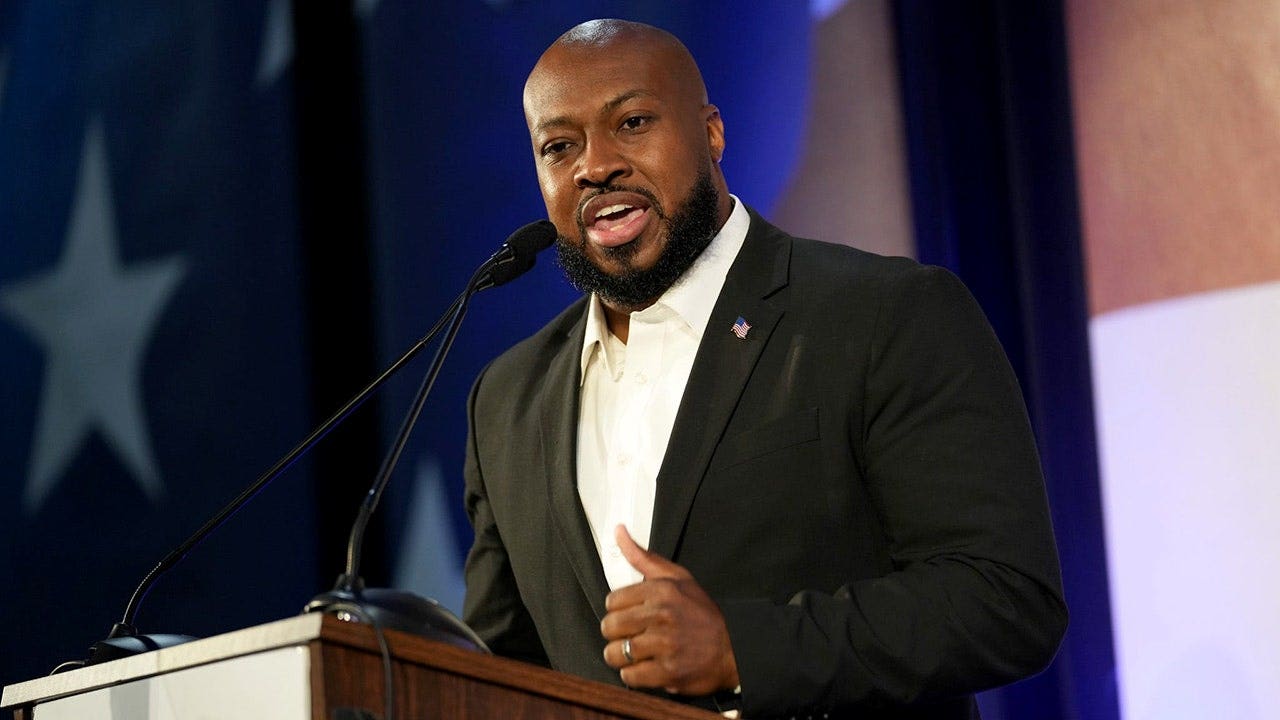

In a significant political development in South Dakota, Democratic candidate Julian Beaudion has announced his withdrawal from the race for the U.S. Senate. His decision follows a series of personal challenges, including a devastating house fire, and allegations of intimidation from political adversaries. Beaudion’s exit narrows the race to incumbent Republican Senator Mike Rounds and independent candidate Brian Bengs, creating a pivotal turning point in the electoral landscape.
| Article Subheadings |
|---|
| 1) Background of Julian Beaudion’s Candidacy |
| 2) Significant Challenges Faced |
| 3) Reaction from Political Figures |
| 4) Implications of Beaudion’s Withdrawal |
| 5) Future of South Dakota’s Senate Race |
Background of Julian Beaudion’s Candidacy
Julian Beaudion began his campaign with a vision to bring progressive values to South Dakota. A businessman and community advocate, he aimed to challenge established norms and represent the interests of ordinary citizens. His campaign resonated with many voters who shared a desire for change and a break from traditional political patterns. Beaudion’s platform focused on key issues such as education, healthcare, and job creation, attracting attention in a previously Republican-dominated race.
From the outset, Beaudion was seen as a formidable candidate. His grassroots campaign efforts and commitment to engage with constituents through town halls and community events showcased his dedication. However, the political landscape began to shift dramatically as the campaign progressed.
Significant Challenges Faced
Beaudion’s decision to leave the race stemmed from a series of profound personal challenges. Most notably, he and his family endured a devastating house fire that led to significant distress. In a statement announcing his withdrawal, he explained, “As many of you know, we experienced a devastating house fire.” This incident served as a catalyst for reevaluating his priorities, emphasizing the importance of his family’s welfare above political ambitions.
Moreover, Beaudion cited intimidation tactics during the campaign as a key factor. He stated, “After the fire, an opponent… hit my family and I with intimidating threats to drop out of this race.” Such threats not only contributed to a toxic political environment but also forced him to consider the well-being and safety of his loved ones. His focus has now shifted to healing and protecting his family, indicating a personal toll that transcended typical political stresses.
Reaction from Political Figures
The announcement of Beaudion’s exit elicited varied responses from political figures. While acknowledging his challenges, many expressed admiration for his courage. Brian Bengs, his independent opponent, commented on Beaudion’s decision, stating, “I commend Julian Beaudion’s patriotic decision to make this a two-person race.” His sentiments reflect a newfound respect among candidates who once found themselves on opposing sides.
Additionally, the chair of the South Dakota Democratic Party, Shane Merrill, noted, “Julian would have made an outstanding US Senator for South Dakota.” This statement further emphasizes the potential Beaudion had in reshaping the political narrative in the state. Despite the competitive nature of the race, his departure left a noticeable void in the Democratic presence.
Implications of Beaudion’s Withdrawal
The exit of Beaudion not only consolidates support for Bengs but also presents a challenge for Rounds, who now faces a more focused opposition. Analysts speculate that Beaudion’s absence could impact voter turnout, as some constituents who supported him may feel disenfranchised without a candidate that aligns with their values. This change can have significant ramifications as the election approaches, shifting focus from a multi-candidate race to a direct contest.
Furthermore, Beaudion’s resignation from the race raises questions about what lies ahead for Democratic candidates in South Dakota. His ability to mobilize younger voters and progressive ideals may be diminished with his departure, possibly leaving a larger void in a party eager for change. The balance of the Senate race may tip in favor of those whose campaigns are anchored in established political frameworks.
Future of South Dakota’s Senate Race
With Beaudion stepping aside, the dynamics of the Senate race in South Dakota are rapidly evolving. Rounds, backed by significant GOP resources, is likely to consolidate support as he moves forward against Bengs. This development challenges Bengs to unify disparate interest groups and broaden appeal beyond the traditional Democratic base to secure votes in a predominantly conservative state.
Bengs aims to redefine his campaign narrative, stating, “Let’s look forward to November and retiring Big Money Mike Rounds.” This rhetoric suggests a strategic push to galvanize support among voters frustrated with established interests. Independent candidates in a two-person race require not only solid campaign strategies but also effective messaging that resonates with a wide range of constituents.
As the election nears, the implications of Beaudion’s withdrawal will reverberate through both major parties, pushing them to navigate a complex political landscape that is fraught with challenges and opportunities. The outcome remains uncertain, but voter engagement and campaign strategies will play crucial roles in determining the future elected representative for South Dakota.
| No. | Key Points |
|---|---|
| 1 | Julian Beaudion withdrew from the Senate race due to personal hardships. |
| 2 | Beaudion faced intimidation tactics during his campaign. |
| 3 | Reactions from political figures express respect for Beaudion’s decision. |
| 4 | Bengs now presents a unified front against Rounds. |
| 5 | The race’s dynamics have shifted significantly following Beaudion’s exit. |
Summary
The withdrawal of Julian Beaudion from the Senate race marks a turning point in South Dakota politics, impacting both major parties as they adjust their strategies for the upcoming election. His decision, fueled by personal challenges and issues of intimidation, has simplified the contest to a head-to-head race between Mike Rounds and Brian Bengs. The new dynamics created by this shift will be crucial in deciding the future representation of South Dakota in the Senate.
Frequently Asked Questions
Question: Why did Julian Beaudion withdraw from the Senate race?
Beaudion withdrew primarily due to personal hardships, including a house fire and intimidation threats aimed at his family, which led him to prioritize their safety and well-being.
Question: Who are the remaining candidates in the South Dakota Senate race?
The remaining candidates are incumbent Republican Senator Mike Rounds and independent candidate Brian Bengs, following Beaudion’s exit from the race.
Question: What impact does Beaudion’s withdrawal have on the race?
Beaudion’s withdrawal consolidates support around Bengs and shifts the race dynamics into a more focused contest against Rounds, potentially influencing voter turnout and campaign strategies.
