

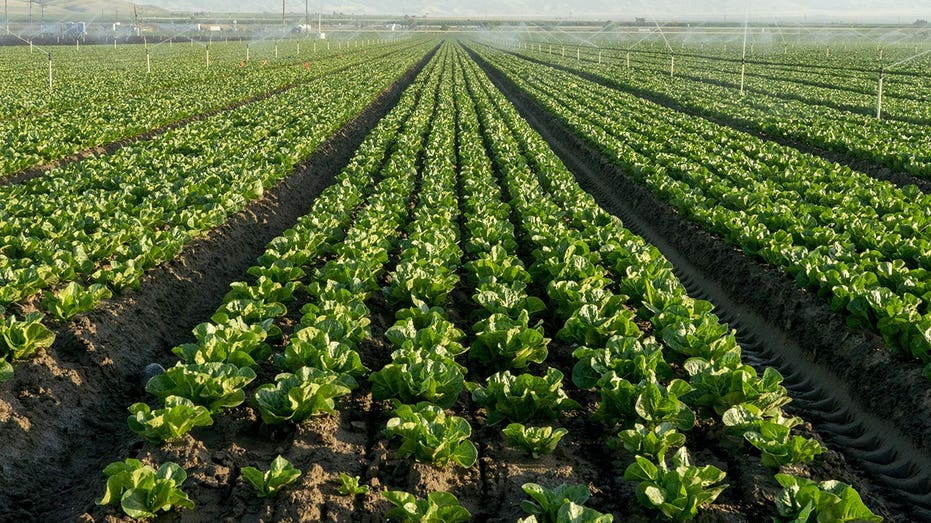

A nationwide cyclosporiasis outbreak linked to recalled iceberg lettuce from central Mexico has sharply reduced demand for fresh greens. Some American farmers have destroyed entire lettuce crops, even when there was no evidence that their produce was contaminated. Fresh lettuce sales fell nearly 9% year over year between mid-June and July, while concerns also spread to other vegetables and salad dressing. The crisis is placing pressure on growers, retailers and restaurants as consumers reconsider produce purchases.
The outbreak has been associated with iceberg lettuce sourced from central Mexico and recalled by Taylor Farms, which also halted imports from the region for the rest of the growing season. Public concern has nevertheless extended beyond the products identified in the investigation, affecting lettuce grown in major producing regions of the United States.
| Article Subheadings | |
|---|---|
| 1) | Outbreak concerns spread across the lettuce market |
| 2) | California growers absorb steep losses |
| 3) | Consumers reduce purchases beyond lettuce |
| 4) | Farmers and food companies weigh their response |
| 5) | The industry looks toward a recovery |
Outbreak concerns spread across the lettuce market
The cyclosporiasis investigation has been connected to iceberg lettuce imported from central Mexico and recalled by Taylor Farms. Health authorities reported more than 1,600 cases across five Midwestern states, while public discussion also described illnesses in nearly every state. The parasite, Cyclospora cayetanensis, can cause gastrointestinal illness, including severe diarrhea.
Although the identified products were tied to a specific supply chain, consumers have struggled to distinguish potentially affected lettuce from other fresh greens. That uncertainty has led many shoppers to avoid lettuce broadly, rather than limiting purchases to recalled products.
California growers absorb steep losses
The Salinas Valley, known as “America’s Salad Bowl,” supplies nearly half of the nation’s lettuce. Growers there have faced falling orders from grocery stores and restaurants as buyers respond to weaker consumer demand.
A farmer at Cox’s Coastline Family Farms told a business publication that he chopped and plowed 300,000 pounds of romaine hearts back into the soil. He said demand for the farm’s greens had fallen by as much as 30%, despite no evidence that the crop was infected.
“It is incredibly demoralizing. I would’ve been better off taking a vacation in the South of France than planting the crop,” the farmer said.
Consumers reduce purchases beyond lettuce
National fresh lettuce sales declined by nearly 9% during the month from mid-June to July compared with the same period a year earlier, according to market data cited in the report. The reduction represented approximately 7.6 million pounds of lettuce.
The pullback was not limited to lettuce. Sales of cauliflower, carrots, spinach and Brussels sprouts also declined, suggesting that consumers were avoiding a wider range of fresh vegetables. Salad dressing sales suffered as well, and sales at Taco Bell fell 25% during a week when one cyclosporiasis outbreak was linked to lettuce served by the restaurant chain.
Farmers and food companies weigh their response
Some growers have reduced planting or discarded crops to limit losses when orders do not justify harvesting and distribution costs. Others have continued normal production, expecting that demand will recover once consumers receive clearer information about the investigation and recalled products.
Joelle Mosso, a food scientist with the Western Growers trade group, said uncertainty was driving the broader market reaction.
“Consumers aren’t sure what’s right anymore so, out of an abundance of caution, they’re just passing on everything,” Mosso said.
Viraj Puri, founder of Gotham Greens, said his company had not reduced seeding despite weaker sales. He emphasized the importance of maintaining access to fruits and vegetables while consumers regain confidence.
The industry looks toward a recovery
Taylor Farms recalled affected products in 27 states and stopped imports from the implicated region for the remainder of the growing season. Those steps are intended to address the identified supply chain, but growers elsewhere continue to feel the effects of the nationwide demand shock.
The California farmer affected by the losses said he remained hopeful about the next harvest. The industry’s recovery will depend on continued public health guidance, accurate identification of affected products and consumers returning to normal purchasing patterns.
“You can’t afford to be downcast very long. You better pick yourself up, dust yourself off and keep pushing forward,” the farmer said.
| Number | Key Point |
|---|---|
| 1 | The outbreak was linked to recalled iceberg lettuce from central Mexico. |
| 2 | Some California farmers destroyed crops despite having no evidence of contamination. |
| 3 | Fresh lettuce sales fell nearly 9% year over year. |
| 4 | Concern also affected other vegetables, salad dressing and restaurant sales. |
Summary
The cyclosporiasis investigation has created a severe demand shock for the lettuce industry, reaching growers that were not connected to the recalled products. Farmers are responding with crop destruction, adjusted planting decisions and efforts to maintain production while health authorities continue their investigation. Clear public guidance and restored consumer confidence will be central to stabilizing the fresh produce market.
Frequently Asked Questions
What caused the decline in lettuce demand?
Consumer concern followed a cyclosporiasis outbreak associated with recalled iceberg lettuce from central Mexico. Many shoppers avoided fresh greens more broadly because they were uncertain which products were affected.
Were all discarded lettuce crops shown to be contaminated?
No. The California farmer described in the report said there was no evidence that the 300,000 pounds of romaine hearts he destroyed were infected.
How much did fresh lettuce sales fall?
Fresh lettuce sales fell nearly 9% during the month from mid-June to July compared with the same period a year earlier, equivalent to about 7.6 million pounds.
What steps were taken involving the recalled products?
Taylor Farms recalled products in 27 states and halted imports from the implicated region for the remainder of the growing season.
