

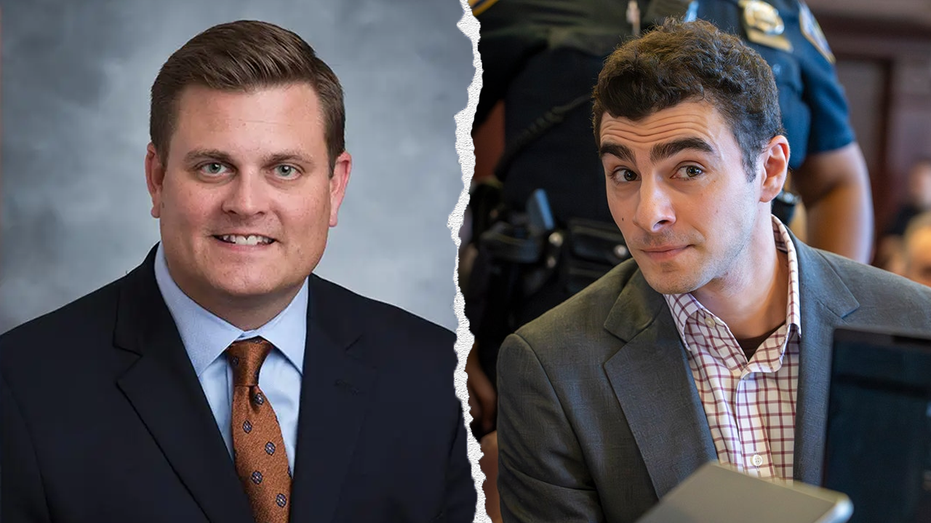

Luigi Mangione’s defense is asking a New York judge to dismiss state murder charges after he pleaded guilty to federal charges connected to the killing of UnitedHealthcare CEO Brian Thompson. His lawyers argue that the federal case and the New York prosecution address the same underlying conduct and therefore raise double jeopardy concerns. Manhattan prosecutors counter that the federal stalking charges involved different legal harms and did not prevent the state case from continuing.
The dispute centers on whether Mangione’s federal prosecution ended the government’s ability to pursue related state charges, even though federal firearm counts were dismissed. The defense has urged Judge Gregory Carro to reject the prosecution’s arguments and remove the state case from the court docket.
Thompson was shot outside a Manhattan hotel on December 4, 2024, while traveling to a shareholder conference. Mangione’s federal guilty plea came after he was initially charged with additional offenses, while the New York murder case remains contested.
| Article Subheadings | |
|---|---|
| 1) | The defense’s double jeopardy argument |
| 2) | Why prosecutors say the cases are different |
| 3) | How the federal stalking charge figures into the dispute |
| 4) | The shooting and the separate prosecutions |
| 5) | What Judge Gregory Carro must decide |
The defense’s double jeopardy argument
Mangione’s lawyers, Karen Friedman Agnifilo, Marc Agnifilo and Jacob Kaplan, argue that the federal guilty plea terminated the criminal action in a way that triggers double jeopardy protections. Their reply maintains that a defendant does not have to plead guilty to every count in an indictment for those charges to have been part of the prosecution.
The defense specifically points to federal firearm charges that were dismissed. It argues that because those counts were included in the federal case, Mangione remained exposed to the consequences of a second prosecution involving the same alleged conduct. The lawyers are relying on New York’s broader double jeopardy protections, which they say provide greater safeguards than the federal constitutional standard.
Why prosecutors say the cases are different
Manhattan prosecutors have asked the court to deny the motion. They argue that the federal case did not prosecute Mangione for the same harm as the New York murder charges because the federal counts focused on stalking and related conduct rather than the state offense of causing Thompson’s death.
The prosecution also says that the dismissal of federal firearm charges does not prevent the state from proceeding. In its view, the state murder case protects a different legal interest from the federal charges, even though both proceedings arise from the same fatal shooting. The prosecution has further argued that Mangione’s decision not to pursue a possible extreme emotional disturbance defense under New York law does not show that the federal case eliminated that option.
How the federal stalking charge figures into the dispute
The defense contends that stalking Thompson with an intent to kill him and then killing him represents the same core misconduct as the state murder charge. Its lawyers acknowledge that the federal stalking statute includes additional elements, such as interstate travel and electronic communications, but say those features are means connected to the central harm of a planned killing.
That distinction is important because New York’s double jeopardy analysis asks whether successive charges seek to prevent different harms or evils. The defense says both prosecutions are aimed at preventing a person from being murdered, while prosecutors maintain that the federal statute addresses conduct and interests beyond the killing itself.
The shooting and the separate prosecutions
Thompson, a 50-year-old father of two, was shot in the back outside a Hilton hotel in Midtown Manhattan on December 4, 2024. He had been heading to a shareholder conference. Mangione later faced both federal and New York state charges tied to the death, creating the legal conflict now before the state court.
Mangione pleaded guilty to two federal charges after initially facing more counts. The federal plea resolved that proceeding, but it did not automatically end the state murder case. The defense is now attempting to use the resolution of the federal matter as the basis for barring the remaining New York prosecution.
What Judge Gregory Carro must decide
Judge Gregory Carro must determine whether the federal prosecution legally placed Mangione in jeopardy for purposes of the New York charges and whether the state case concerns a distinct harm. The ruling could turn on how the court interprets the relationship between the federal stalking statute, the dismissed firearm counts and New York’s more restrictive double jeopardy rules.
A dismissal would end the state murder case at this stage, while a denial would allow the New York prosecution to continue. The Manhattan District Attorney’s Office did not immediately provide a response to a request for comment on the defense filing.
| Number | Key Point |
|---|---|
| 1 | Mangione pleaded guilty to two federal charges tied to the killing. |
| 2 | His defense argues that the federal case bars the New York murder prosecution. |
| 3 | Prosecutors say the federal and state cases address different legal harms. |
| 4 | The dispute involves New York’s stricter double jeopardy protections. |
Summary
The case now depends on whether a federal guilty plea and dismissed firearm counts prevent New York from prosecuting Mangione for murder. The defense says the federal stalking allegations and state murder charge are based on the same core conduct. Prosecutors argue that the statutes protect different interests. Judge Gregory Carro’s ruling will determine whether the state case proceeds.
Frequently Asked Questions
What is Mangione asking the New York court to do?
He is asking Judge Gregory Carro to dismiss the state murder charges connected to Brian Thompson’s death.
Why does the defense claim double jeopardy applies?
The defense argues that Mangione’s federal prosecution, including charges involving the same alleged conduct and dismissed firearm counts, placed him at risk of being prosecuted again for the same core crime.
Why do prosecutors oppose dismissal?
Prosecutors say the federal stalking charges and the New York murder charges involve different legal harms, so the state case is not barred by double jeopardy.
