

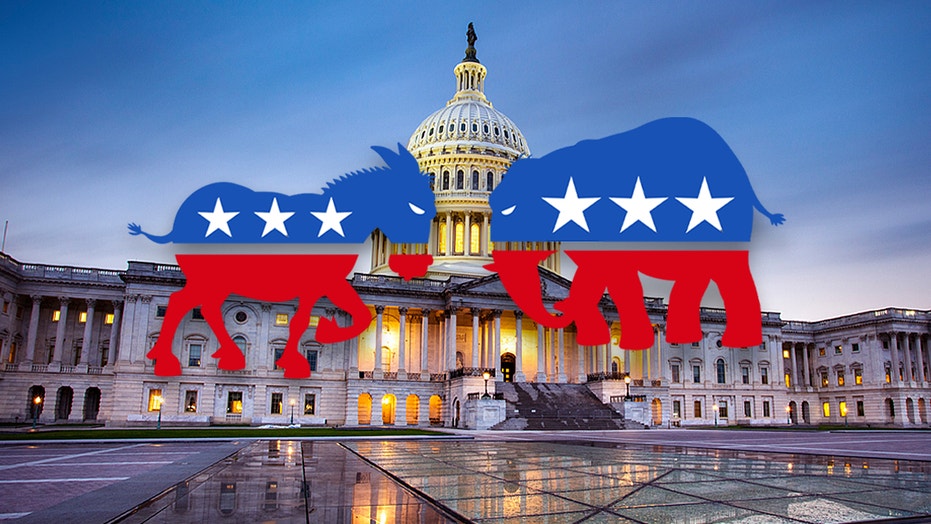

Voters are heading to the polls on November 3, 2026, with control of Congress and the country’s political direction at stake. Grocery prices, housing costs, foreign policy concerns and the war in Iran are among the issues shaping the day’s agenda. Other major headlines involve legal disputes, campaign conflicts, a reported U.S. strike on an Iranian island and domestic developments in health, aviation, sports and culture.
| 1) | Election Day and control of Congress |
| 2) | Economic pressures facing voters |
| 3) | Legal and political disputes |
| 4) | Foreign policy, security and public safety |
| 5) | Other national, health and cultural developments |
Election Day and control of Congress
The central political story on November 3 is the battle for Congress. Voters across the United States are determining the next congressional balance, while candidates and parties emphasize turnout, local concerns and national policy. The result will affect the ability of the administration and congressional leaders to advance legislation after the election.
A potentially significant Senate deadlock is also part of the agenda. If the chamber is evenly divided, Vice President JD Vance could be important in post-election proceedings. Campaign disputes include a battleground Democratic candidate who said she would oppose President Donald Trump despite highlighting a bipartisan record, and a clash involving Abdul El-Sayed and a Republican rival. Vance criticized El-Sayed as a “crazy person.”
Economic pressures facing voters
Household finances are a major election concern. Grocery prices and housing costs could affect how voters assess the economy and the administration’s record. High prices have placed President Trump’s economic policies under particular scrutiny.
The debate is unfolding alongside competing Senate appeals in Michigan. Republican candidate Mike Rogers has argued for his election, while Abdul El-Sayed has outlined why he wants to become the state’s next senator. Their positions reflect the broader contest over economic policy and representation in Washington.
Legal and political disputes
The Justice Department faces what was described as a difficult appeal in an Alaska election case. The briefing did not provide the case details, but its inclusion highlights the continuing role of litigation in election disputes.
The Supreme Court has also dealt the administration a setback in a California case concerning noncitizen voting. Separately, federal prosecutors allege that $25,000 payments to Black residents violated the Constitution. The briefing did not identify the recipients or provide a ruling. House Democrats are demanding the exile of Representative Haley Stevens, while Minority Leader Hakeem Jeffries has set a deadline for deciding her political fate.
Foreign policy, security and public safety
A U.S. official said the United States struck an Iranian island after an aircraft came under fire. The report presents the action as retaliation, but provides no details about the island, the aircraft, the timing or possible casualties. The development places the war in Iran among the foreign policy issues that may influence voters.
A conservative Jewish activist said an attack at a Michigan campus would not silence her. The briefing did not describe the incident or identify the activist. In a separate aviation story, authorities identified the first victims of a jet crash that killed nine people, including a pilot who had earned flight wings at age 17. The location and cause were not specified.
Other national, health and cultural developments
The wider agenda includes a dengue fever outbreak in a Southern state described as the largest there in decades, with hundreds infected. The response and precise case count were not included. Sports coverage reported a positive update on Detroit Lions linebacker Jack Campbell after a serious neck injury. The Chicago Bears were described as strengthening their claim to being the NFC North’s most complete team after a commanding victory over the Seattle Seahawks.
A study alleged that a preinstalled iPhone application delivered 67% left-leaning content in October, although the briefing did not identify the study or explain its methodology. Filmmaker Spike Lee reportedly warned New York Knicks owner James Dolan against forcing the team to meet Trump. Actor Bill Murray confronted a smiling Trump adviser during an unusual live television interview. Additional programming includes a quiz on country cooking and park preservation, plus discussions of election issues, government UFO claims, sports and entertainment.
| Number | Key Point |
|---|---|
| 1 | Election Day could determine the balance of power in Congress. |
| 2 | Food and housing prices are central economic concerns. |
| 3 | Election litigation and congressional disputes remain active. |
| 4 | A reported U.S. strike on an Iranian island has added to security concerns. |
| 5 | Health, aviation, sports and cultural stories are also on the agenda. |
Summary
The November 3 election is being framed around congressional control, economic conditions and the administration’s domestic and foreign policy. Legal challenges, party conflicts and security developments add uncertainty. Voters’ decisions will shape Congress and the next phase of national policymaking.
Frequently Asked Questions
What is the main issue on Election Day?
The primary issue is which party will control Congress. Economic concerns and foreign policy are also prominent.
Why are grocery and housing costs important?
They affect household budgets and are being used to assess the administration’s economic record.
What foreign policy development is highlighted?
A U.S. official said American forces struck an Iranian island after an aircraft came under fire. No further operational details were provided.
What legal disputes are mentioned?
They include an Alaska election appeal, a California noncitizen voting case and allegations concerning payments to Black residents.
