

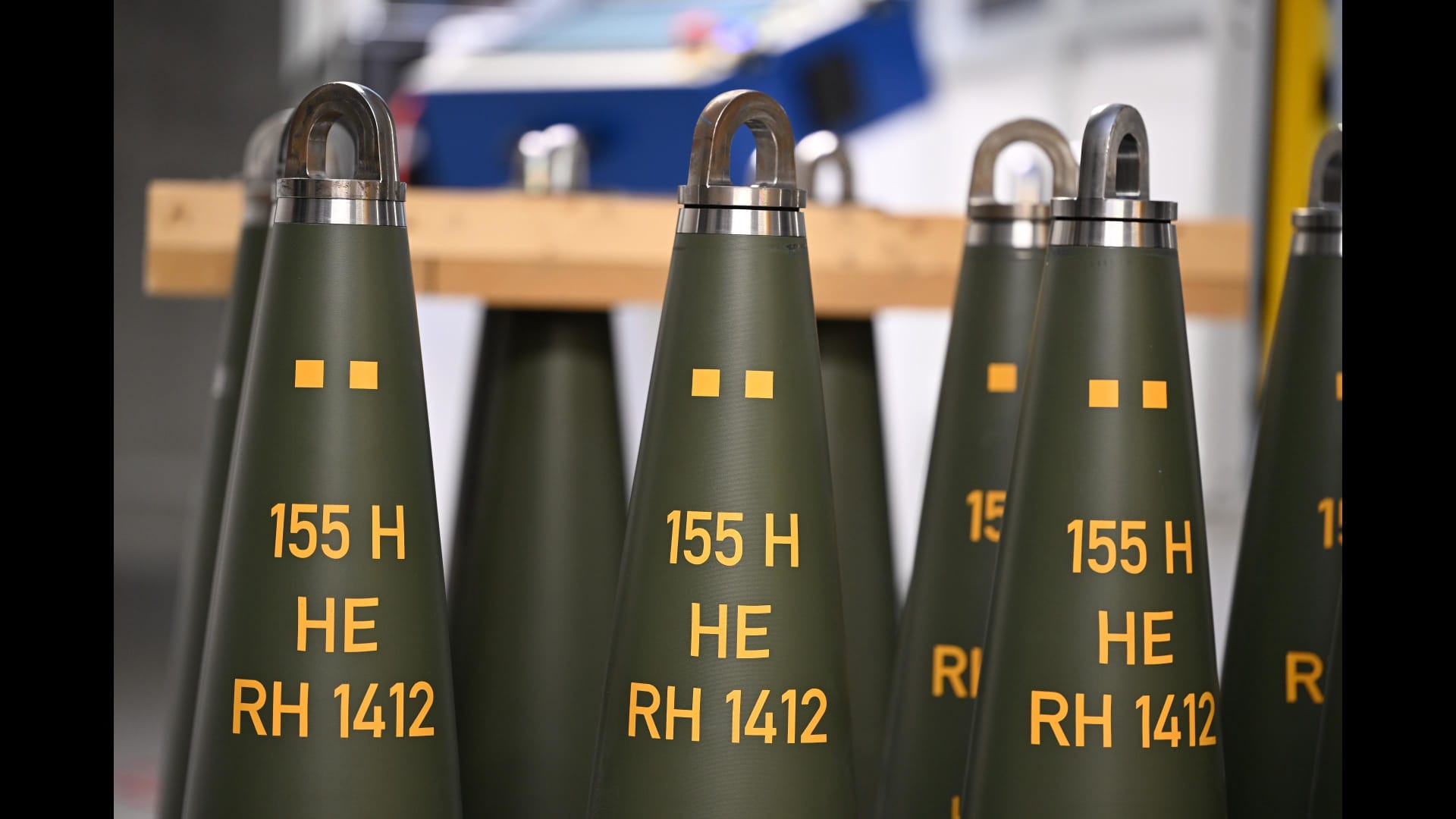

German defense company Rheinmetall recently announced a cut to its full-year guidance, attributing the decision to delays in military contracts and ammunition deliveries. This marks the second time the company has revised its outlook since August, following the cancellation of a significant shipbuilding project in Germany. While Rheinmetall’s sales are now forecasted to reach approximately €13.2 billion ($14.9 billion) by 2026, this figure is lower than the previous estimates, leading to a notable decrease in shareholder confidence and a sharp decline in its stock value.
| Article Subheadings |
|---|
| 1) Overview of Rheinmetall’s Guidance Reevaluation |
| 2) Impact of Delayed Military Contracts |
| 3) Stock Market Response and Historical Performance |
| 4) Analyst Insights on Future Outlook |
| 5) Financial Performance Amid Guidance Cuts |
Overview of Rheinmetall’s Guidance Reevaluation
Rheinmetall, a leading defense contractor based in Germany, has announced a downward revision of its sales projections for the upcoming years. The company’s revised forecast suggests that sales will increase to about €13.2 billion ($14.9 billion) in 2026, which is significantly less than its previous guidance range of €13.7 billion to €14.2 billion. This adjustment comes as a direct result of ongoing delays relating to military projects and ammunition deliveries that have hindered overall operational efficiency.
The delays notably emanate from the German military’s Arminius Boxer project, which was slated for commission next year but has faced numerous setbacks. The company emphasized that these developments are critical to the adjustments in their guidance, as they reflect the current operational landscape and challenges faced by the defense sector in Europe.
Impact of Delayed Military Contracts
The disruptions in the military contracts have notably impacted Rheinmetall’s confidence and market positioning. Specifically, the delays associated with military contracts, especially concerning artillery ammunition, have raised serious questions about the company’s ability to fulfill its obligations in a timely manner. The revisions to the expected timelines for key military projects like the Boxer program have stirred worry among investors regarding Rheinmetall’s future profitability and competitive stance within the global defense industry.
Officials noted that these delays could lead to a re-evaluation of long-standing contracts and financial commitments, potentially affecting not just Rheinmetall but the wider defense sector that is experiencing similar pressures. The company’s challenges coincide with a broader push in Europe to strengthen military readiness due to geopolitical tensions, particularly following military engagements involving Russia.
Stock Market Response and Historical Performance
The revision of Rheinmetall’s guidance triggered a sharp response in the stock market, with shares plunging as much as 15% during early trading sessions after the announcement. This drop is significant given that the company had already seen its stock value erode by approximately 35% year-to-date, contrasting starkly with an exceptionally positive performance over the last four years where the average annual return was recorded at 114%.
Rheinmetall has, until now, been one of the notable beneficiaries of increased military spending among European governments, particularly in light of the ongoing conflict in Ukraine. As defense budgets across Europe have expanded due to heightened security concerns, Rheinmetall positioned itself as a key player in providing military technology and equipment. However, the abrupt decline in its stock prices now raises concerns about the company’s long-term viability and investor trust amidst a backdrop of uncertainty.
Analyst Insights on Future Outlook
Market analysts, including those from RBC, have expressed a clear caution regarding Rheinmetall’s announcement, labeling it as “clearly negative.” Analysts highlighted the complications surrounding the Boxer program and its potential implications on the company’s medium-term guidance. The revisions to the expected outcomes fuel larger investor concerns over the transition from traditional defense technologies to newer platforms.
Furthermore, analysts suspect that this downward adjustment might trigger a broader industry re-evaluation, impacting investor sentiments significantly. Many are keenly observing how Rheinmetall navigates through current challenges, as they emphasize the importance of stability in delivering military contracts and the successful integration of new technologies in future offerings.
Financial Performance Amid Guidance Cuts
Despite the challenges presented by the recent guidance cuts, Rheinmetall reported some positive financial indicators. The company recorded a 32% increase in third-quarter sales year-on-year, reaching €3.15 billion, alongside a striking 62% rise in operating profit amounting to €553 million. Additionally, the firm noted a new order intake of €2.89 billion, lifting its overall backlog to €78 billion at the conclusion of the third quarter.
These figures indicate a strong market demand for Rheinmetall’s products, underscoring the company’s potential for continued growth, despite current setbacks. Nonetheless, the company’s management underscored that future growth hinges upon overcoming obstacles in fulfilling defense contracts and adjusting operations to meet the demands of rapid military procurement in a changing geopolitical climate.
| No. | Key Points |
|---|---|
| 1 | Rheinmetall has cut its full-year sales guidance due to delays in military contracts. |
| 2 | The company expects sales to rise to about €13.2 billion in 2026, down from previous expectations. |
| 3 | Rheinmetall’s shares fell as much as 15% following the guidance cut announcement. |
| 4 | Analysts express concerns about the impact on investor sentiment and the broader defense sector. |
| 5 | Despite challenges, the firm recorded strong third-quarter sales and operating profits. |
Summary
Rheinmetall’s recent guidance reevaluation due to delays in military contracts and ammunition deliveries highlights ongoing challenges within the defense sector. While the company continues to see growth in sales and order intake, the concerns raised by analysts reflect broader issues impacting investor confidence. Amidst evolving demands for military readiness, Rheinmetall’s capacity to navigate through these difficulties will determine its future success in an increasingly competitive and complex landscape.
Frequently Asked Questions
Question: What factors led to Rheinmetall’s guidance cut?
The guidance cut was primarily due to delays in military contracts and ammunition deliveries, particularly affecting projects like the Arminius Boxer project.
Question: How did the market respond to Rheinmetall’s announcement?
The market responded negatively, with shares dropping as much as 15% following the announcement, and a noted year-to-date decline of approximately 35%.
Question: What have analysts said about the future of Rheinmetall?
Analysts have expressed concerns that the company’s delays and guidance cuts could negatively influence investor sentiment and reflect larger challenges in traditional defense technologies.
