

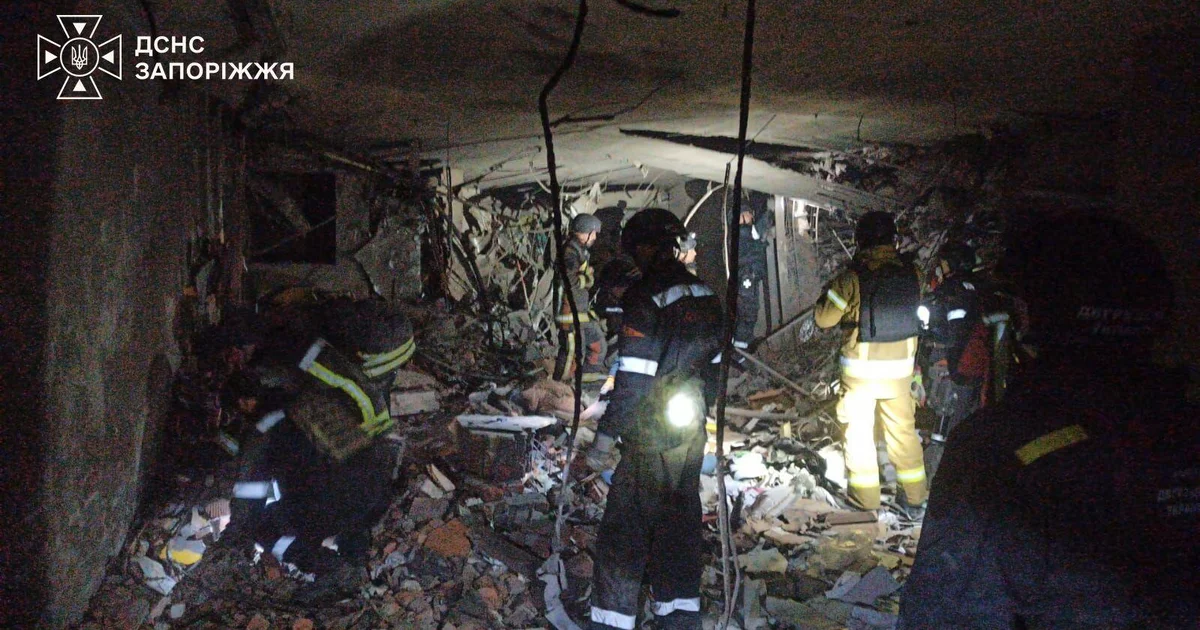

In a tragic escalation of the ongoing conflict, a Russian missile strike at a Ukrainian aid distribution center resulted in the death of at least 40 individuals. The attack, which occurred in the southeastern Zaporizhzhia region, hit a facility that was serving as a humanitarian aid hub. Ukrainian President Volodymyr Zelenskyy described the assault as a vile act, targeting not only civilians seeking aid but also first responders. As rescue operations continue, the Ukrainian government is urging international allies for increased military support against Russia’s aggressive actions.
| Article Subheadings |
|---|
| 1) The Details of the Zaporizhzhia Attack |
| 2) Russia’s Justification for Military Actions |
| 3) Impact on Ukrainian Civilian Infrastructure |
| 4) International Response to the Crisis |
| 5) Future Implications for Ukraine-Russia Relations |
The Details of the Zaporizhzhia Attack
The missile strike on the humanitarian aid distribution center in Zaporizhzhia took place on a Monday, marking a significant tragedy in the ongoing conflict. Ukrainian officials reported that the strike specifically targeted an old school repurposed as an aid distribution point. President Zelenskyy confirmed that a total of nine bombs were dropped, with reports indicating a rising death toll currently standing at 40. Eyewitness accounts and immediate reactions from the site indicate that the attack was conducted during a time when civilians had gathered to receive much-needed humanitarian assistance.
Zelenskyy further emphasized that the cruel assault did not only claim civilian lives but also endangered the lives of first responders and police officers who arrived to provide assistance. In a somber social media post, he stated that rescue efforts were ongoing, with fears that over 30 individuals remained trapped under the debris. This attack has drawn condemnation from various international observers who consider it indicative of a broader pattern of violence against civilians in Ukraine.
Russia’s Justification for Military Actions
In response to the outcry over the civilian casualties, Russia’s Defense Ministry claimed that their strike aimed to target Ukrainian military installations rather than civilians. They asserted that the collateral damage resulted in the deaths of approximately 25 Ukrainian military personnel. This justification is consistent with Russia’s strategy throughout the ongoing conflict, where they frequently deny targeting civilian infrastructure despite the numerous instances of attacks on non-military sites such as schools and hospitals.
Officials in Moscow maintained that their operations were a necessary component of their military strategy, asserting that they would continue to launch strikes against facilities they believe serve military purposes. However, this rationale has failed to resonate with the Ukrainian populace or international observers, many of whom are deeply critical of Russia’s tactics regarding civilian safety.
Impact on Ukrainian Civilian Infrastructure
The ramifications of the attack extend beyond immediate casualties; they also significantly affect critical civilian infrastructure. In the wake of the missile strike in Zaporizhzhia, the Ukrainian energy ministry reported that Russia carried out one of its largest attacks on energy facilities throughout the country, with strikes hitting 10 separate regions. This escalation not only impacts the telecommunications and transport sectors but also severely disrupts the provision of essential services such as water supply.
The Ukrainian capital Kyiv faced substantial challenges as residents experienced a shortage of running water for over 16 hours due to targeted strikes. The local water utility, Kyivvodokanal, confirmed that service has since resumed, yet the incident highlights the vulnerabilities of urban utilities amidst ongoing hostilities. Such systematic targeting of infrastructure exacerbates the hardships faced by civilians and places additional strain on humanitarian efforts.
International Response to the Crisis
In light of the recent escalations in violence, the international community has responded with statements of solidarity and calls for greater intervention. On Friday, representatives from both Russia and Ukraine were set to meet in Washington, D.C., facilitated by Melania Trump, in a bid to broker discussions on a temporary ceasefire. This meeting comes in the wake of previous negotiations aimed at ensuring safer passages for civilians and the distribution of humanitarian aid in contested areas.
Ukrainian officials, including Human Rights Commissioner Dmytro Lubinets, have articulated the pressing need for enhanced military support from allies, particularly the provision of air defense systems. President Zelenskyy reinforced this message, arguing that global inaction in the face of aggressive bombardments only enables further violence. His administration continues to appeal for urgent supplies of military equipment to counter the persistent threats.
Future Implications for Ukraine-Russia Relations
Looking ahead, the recent events signal a dangerous escalation in hostilities that may reshape the trajectory of Ukraine-Russia relations. The ongoing violence seems to suggest a commitment from both sides to continue military engagement, with Ukraine bolstering its defenses while Russia appears undeterred in its bombardments. The recent missile attack’s severity poses the question of how the global community, particularly European nations and the United States, will respond beyond mere verbal condemnation.
President Zelenskyy’s assertion that “evil always goes further if it is left unanswered” resonates with many who advocate for more robust international measures to hold Russia accountable. As Ukraine seeks to fortify its defense mechanisms and rally its allies for military and humanitarian support, the prospect of further escalation remains a significant concern in geopolitical climates.
| No. | Key Points |
|---|---|
| 1 | A Russian missile strike in Zaporizhzhia resulted in at least 40 deaths. |
| 2 | The attack targeted civilians seeking humanitarian aid and first responders. |
| 3 | Russia justifies the attacks as targeting military settings, denying civilian intent. |
| 4 | Ukrainian energy infrastructure has suffered considerable damage affecting key civilian services. |
| 5 | International calls for military aid to Ukraine are intensifying as hostilities escalate. |
Summary
The missile strike on a humanitarian aid center in Zaporizhzhia underscores the tragic consequences of the ongoing conflict between Ukraine and Russia. As the death toll continues to rise, the attack has reignited discussions regarding the need for increased military and humanitarian support for Ukraine. The international community faces pressure to respond decisively to Russia’s actions to deter further violence and support the resilience of the Ukrainian state.
Frequently Asked Questions
Question: What is the significance of the Zaporizhzhia strike?
The Zaporizhzhia strike highlights the ongoing targeting of civilians in the Ukraine-Russia conflict, raising international concerns about war crimes and the urgent need for humanitarian assistance.
Question: How has the Ukrainian government reacted to the Russian strikes?
Ukrainian officials, including President Zelenskyy, have condemned the attacks and called for immediate military support from international allies to bolster their defenses against such assaults.
Question: What steps are being taken to facilitate humanitarian aid amid increasing violence?
Efforts are underway to broker temporary ceasefires to allow for humanitarian aid delivery, as indicated by discussions involving diplomatic representatives from both Russia and Ukraine.
