

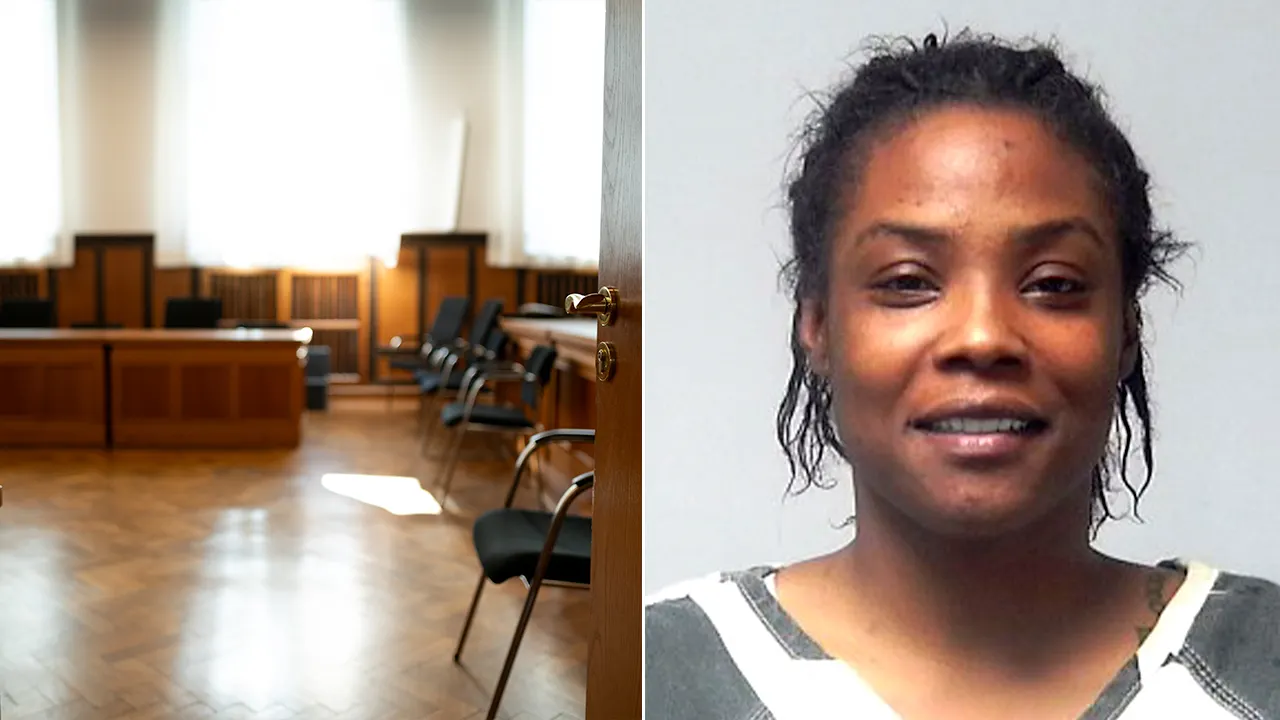

An Alabama woman, Tierra Shatalia Douglas, has pleaded guilty to a serious federal charge after using Meta smart glasses to secretly record witnesses involved in a drug trafficking trial. Douglas was accused of participating in a conspiracy aimed at retaliating against witnesses who testified against Glennie “Little Man” McGee and his wife, Echandza Maxie. This case has sparked significant attention due to the advanced technology used in the unlawful surveillance activities and the implications it holds for witness safety in criminal trials.
| Article Subheadings |
|---|
| 1) Overview of the Case Against Douglas |
| 2) Details of Harassment and Intimidation Efforts |
| 3) Legal Proceedings and Evidence Against Douglas |
| 4) Implications of the Case on Witness Protection |
| 5) Next Steps in the Legal Process |
Overview of the Case Against Douglas
In a troubling incident, Tierra Shatalia Douglas, aged 36, purportedly used advanced technology to compromise the integrity of a federal trial. Douglas has admitted guilt to conspiracy charges stemming from her actions in a January 2022 drug trial associated with the convicted individuals Glennie “Little Man” McGee and Echandza Maxie, linked to a violent drug trafficking ring known for distributing significant quantities of cocaine and fentanyl. The Department of Justice highlighted that the couple employed minors as drug couriers within their operation, adding to the severity of the charges.
Following testimony in January 2022, Douglas began orchestrating efforts to intimidate three witnesses who had provided evidence against McGee and Maxie. This included tactics that many in the legal and law enforcement communities would recognize as a direct threat to the judicial process. The case not only illustrates the lengths to which some will go to retaliate against testimonies but also raises questions about the safety of individuals who engage with the judicial system as witnesses.
Details of Harassment and Intimidation Efforts
Over eight months after the initial trial, Douglas engaged in numerous attempts to harass the witnesses, demonstrating a pattern of intimidation aimed at suppressing their willingness to testify against her associates. According to court records, she used the Meta smart glasses to film witnesses as they left the courtroom, attempting to incite fear and discourage any further cooperation with law enforcement. Included in her harassment was the dissemination of videos that publicly identified these witnesses, showcasing a blatant disregard for their safety.
In a chilling incident documented on January 16, one of the witnesses reported receiving a video from a friend that showed him exiting the courtroom post-testimony. The footage recorded by Douglas was not only a breach of privacy but also a psychological tool intended to intimidate and threaten the individual. Further adding to the atmosphere of fear, Douglas allegedly exclaimed in the effort to create a fear-inducing narrative:
“This guy telling, do anyone know him, he needs to be hurt.”
Such statements highlight the aggressive nature of her attempts to retaliate against the witnesses.
Legal Proceedings and Evidence Against Douglas
Upon confronting Douglas with substantial evidence, including surveillance footage from the courthouse that corroborated the harassment claims, she confessed to her intimidation tactics. The evidence also revealed that she had employed AI technology, specifically ChatGPT, to generate derogatory flyers identifying one witness as a “snitch.” This implies a sophisticated understanding of both technology and social interactions that Douglas wielded to execute her harassment campaign.
Reports indicate that Douglas engaged in a variety of communications, including Discord messages that revealed sensitive information about the witness’s children and their school, thereby escalating the threats and implications of her actions. Harassment messages sent to witnesses had an additional layer of personal attacks; for example, one witness was saved in her contacts as “The Rat,” indicating a premeditated effort to belittle and intimidate him for his cooperation with law enforcement.
Implications of the Case on Witness Protection
The case against Douglas is particularly concerning in light of ongoing discussions about the safety and protection of witnesses in the judicial system. When individuals like Douglas take extreme measures to threaten or intimidate those who come forward, it underscores a potential chilling effect on the willingness of future witnesses to testify. It raises broader questions about the adequacy of existing witness protection programs and the measures in place to safeguard individuals from retaliatory actions following their participation in trials.
Law enforcement officials have increasingly recognized the need for robust systems to protect those who contribute to the judicial process, especially in cases involving serious crimes such as drug trafficking. As the criminal justice community considers reforms, the Douglas case may serve as a critical learning point regarding how advanced technology can be manipulated for malicious purposes and the need for adaptive strategies to counteract such threats.
Next Steps in the Legal Process
Douglas’s legal troubles are far from over, even after her guilty plea. Her sentencing is scheduled for February 2027, at which point she faces a potential maximum sentence of life in prison. However, reports suggest that prosecutors may recommend leniency based on her plea agreement. This scenario reflects a complex legal strategy where the prosecution may choose to accept a lesser sentence in exchange for the immediate removal of a threat to witnesses. This approach often aims to balance the pursuit of justice with the practical challenges of securing testimony and cooperation in ongoing investigations.
As the date of her sentencing approaches, many will be watching closely to see how this case unfolds in the legal arena and what it may mean for similar incidents in the future. Douglas’s actions and their ramifications could influence discussions on the necessity of legal reforms aimed at enhancing the protection of witnesses against intimidation.
| No. | Key Points |
|---|---|
| 1 | Tierra Shatalia Douglas pleaded guilty to conspiracy charges related to witness intimidation in a federal drug trial. |
| 2 | Douglas employed Meta smart glasses to record witnesses secretly and harass them following their testimonies. |
| 3 | The case illustrates serious concerns regarding witness safety and the effectiveness of existing protective measures. |
| 4 | Douglas faces a possible life sentence, but prosecutors may recommend leniency during sentencing in February 2027. |
| 5 | The advanced use of technology in the intimidation campaign raises alarms about future witness interactions in the legal system. |
Summary
The case against Tierra Shatalia Douglas presents a poignant example of how technology can be exploited to manipulate and intimidate individuals participating in the justice system. As she awaits sentencing, the broader implications for witness protection and judicial integrity remain a pressing concern. The outcome of this case may initiate discussions on reforming witness protection strategies to ensure the safety of those willing to testify against criminal activities, particularly in high-threat cases like drug trafficking.
Frequently Asked Questions
Question: What is the significance of the technologies used in Douglas’s case?
The use of Meta smart glasses and AI technology like ChatGPT in this case underscores how emerging technologies can facilitate illegal activities, particularly witness intimidation, posing new challenges for legal authorities.
Question: What are the potential consequences for witness intimidation?
Witness intimidation can result in severe legal consequences, including substantial prison time, as seen in Douglas’s case, where she faces up to life imprisonment for her actions.
Question: How can the judicial system better protect witnesses?
Enhanced witness protection programs, proactive legal strategies, and stringent penalties for intimidation efforts could contribute to fostering a safer environment for witnesses participating in trials.
