

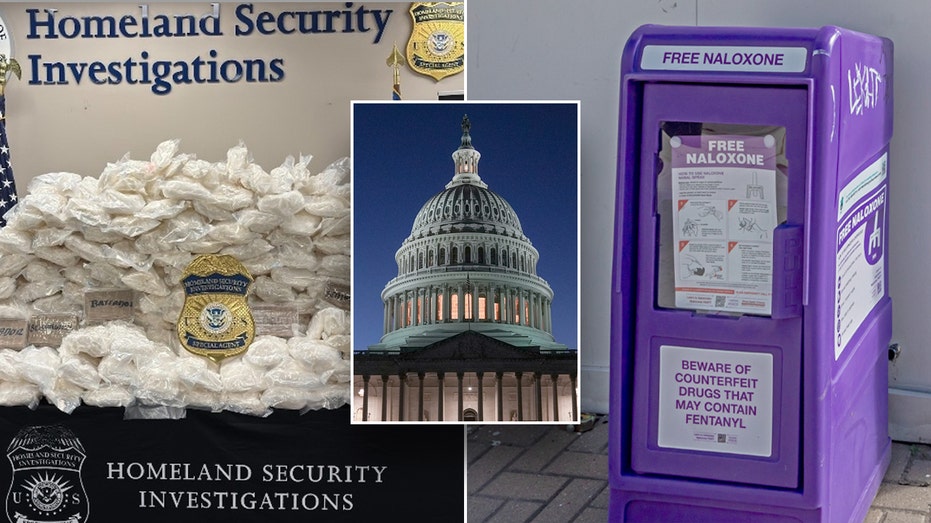

ARMR Sciences CEO Collin Gage says the United States is addressing the fentanyl crisis too late by focusing mainly on reversing overdoses after they begin. He is urging the incoming Democratic-controlled Congress to pursue a bipartisan biodefense strategy focused on preventing synthetic drug exposure. The company is testing an experimental fentanyl vaccine designed to bind the drug in the bloodstream before it reaches the brain. Gage says the initial priority should be military personnel, police officers and other first responders facing possible exposure.
| 1) | A prevention-focused approach to fentanyl |
| 2) | Why synthetic drugs are viewed as a distinct biothreat |
| 3) | How the experimental vaccine is intended to work |
| 4) | A proposed bipartisan priority for Congress |
| 5) | Safety, transparency and the personal stakes |
A prevention-focused approach to fentanyl
Gage argues that the current response waits until a person is experiencing an overdose before attempting to restore breathing and stabilize the patient. He says the country should also invest in treatments that prevent fentanyl from reaching the brain. The proposed shift would not replace emergency overdose medicine or law enforcement measures. Instead, it would add a preventive tool for people facing an elevated risk of accidental or deliberate exposure.
“If you look at the overdose crisis like any other health crisis, really as a disease, you’ll know the best way to treat a crisis is by preventing it altogether,” Gage said.
Why synthetic drugs are viewed as a distinct biothreat
Gage points to Donald Trump’s designation of illicit fentanyl as a weapon of mass destruction as an important step toward treating synthetic drugs as a biodefense concern. The designation came through an executive order signed in December 2025. Gage says the threat differs from conventional chemical or biological weapons because pharmaceutical-based agents can be produced and distributed rapidly.
He cited fentanyl, carfentanil, nitazenes and medetomidine as emerging synthetic threats. He said production knowledge and illicit distribution networks can create challenges beyond a single location or incident, and that the threat is spreading internationally, although no specific global figures were provided.
How the experimental vaccine is intended to work
ARMR Sciences is conducting a Phase 1/2 clinical trial to examine the safety of its experimental fentanyl vaccine and assess how effectively it blocks synthetic threats from reaching the brain. The approach is designed to bind and sequester fentanyl in the bloodstream before the molecule reaches brain receptors involved in breathing.
Gage said the initial development target is military personnel, particularly special forces members who could face battlefield or bioterror exposure. He compared possible use by border personnel and police officers to wearing a bulletproof vest, or a preventive layer intended to reduce the consequences of unexpected exposure. The trial is still evaluating the product, so its safety and effectiveness for broader use have not been established.
A proposed bipartisan priority for Congress
With a new Democratic-controlled Congress expected to begin work, Gage is calling for synthetic drug defense to become a bipartisan issue. He described the effort as a “red, white and blue” priority because fentanyl affects people across racial, geographic and socioeconomic groups. He wants lawmakers to build on the federal designation of illicit fentanyl and create a coordinated biodefense strategy.
The proposed strategy would focus first on protecting troops and first responders, then potentially expand to high-risk civilian groups such as college students. Gage said expansion should follow clear evidence of safety and transparent communication. The article does not identify legislation adopted by Congress or confirm that incoming lawmakers have endorsed the proposal.
Safety, transparency and the personal stakes
ARMR Sciences has published its full formulation on its website and, according to Gage, intentionally excluded heavy metals. He connected that decision to Robert F. Kennedy Jr.’s broader scrutiny of vaccine ingredients. Gage also praised addiction-treatment reform efforts associated with former Representative Patrick Kennedy, while emphasizing that the experimental product remains subject to clinical evaluation.
Gage said his interest is personal. He reported that his mother struggled with addiction and that he has lost friends to overdoses. He framed the company’s work as an attempt to prevent families from experiencing addiction and fatal exposure.
| Number | Key Point |
|---|---|
| 1 | ARMR Sciences is testing an experimental fentanyl vaccine in a Phase 1/2 clinical trial. |
| 2 | The proposed treatment is intended to sequester fentanyl in the bloodstream before it reaches the brain. |
| 3 | The company is initially focusing on troops and first responders. |
| 4 | Gage wants Congress to treat synthetic drug defense as a bipartisan biodefense priority. |
Summary
Gage is urging federal lawmakers to complement overdose reversal with preventive measures against fentanyl and other synthetic drugs. His company’s vaccine remains experimental and is being assessed for safety and effectiveness in clinical testing. Broader deployment would depend on trial results, regulatory review and decisions by federal policymakers.
Frequently Asked Questions
What is ARMR Sciences testing?
The company is conducting a Phase 1/2 clinical trial of an experimental fentanyl vaccine to assess safety and its ability to block synthetic threats from reaching the brain.
Who would receive the countermeasure first?
Gage said the initial focus is on special forces, military personnel, police officers, border personnel and other first responders who could face exposure.
What does Gage want the incoming Congress to do?
He wants lawmakers to adopt a bipartisan biodefense strategy that treats illicit fentanyl and emerging synthetic drugs as a national security and public health priority.
