

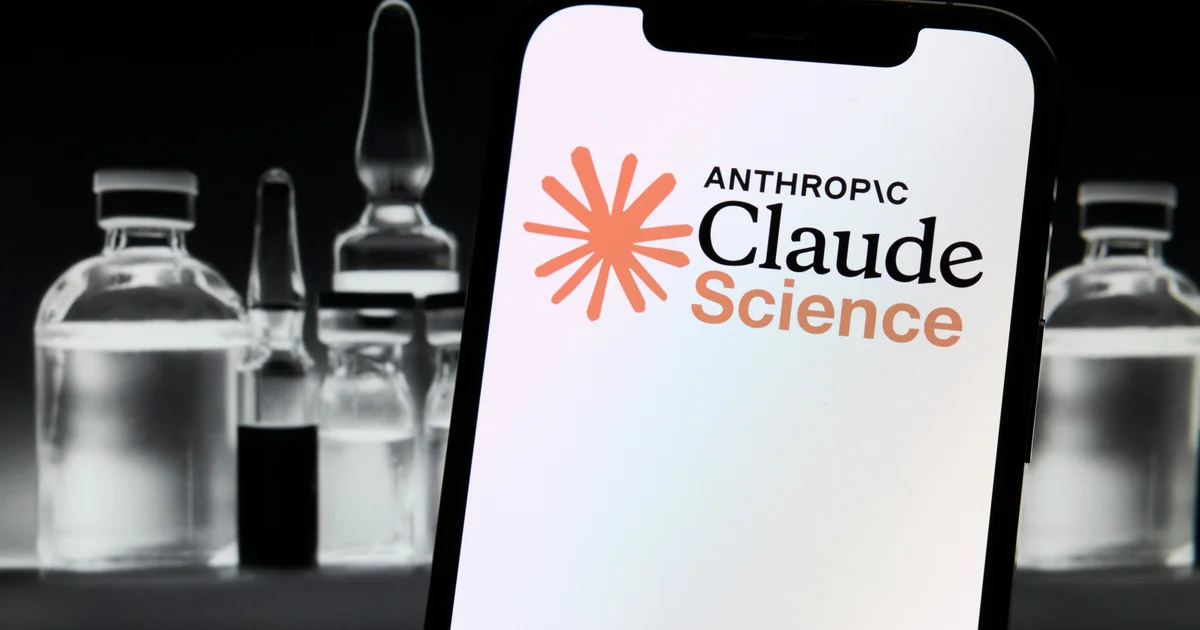

Following its record-setting initial public offering (IPO), Anthropic finds itself at a pivotal moment, tasked with demonstrating not only growth but also profitability to its investors. The company has ambitious plans that extend beyond technology; it aims to address some of the world’s most perplexing diseases through the application of artificial intelligence (AI). This article examines Anthropic’s strategy, its potential to revolutionize drug development, and the broader implications of its work within the life sciences sector.
| Article Subheadings |
|---|
| 1) AI’s Role in Revolutionizing Drug Development |
| 2) The Commercial Potential Behind Biomedical Innovations |
| 3) Cultivating Trust Through Healthcare Advancements |
| 4) Industry Partnerships and Future Collaborations |
| 5) Challenges Ahead for Anthropic |
AI’s Role in Revolutionizing Drug Development
Anthropic’s innovative approach to harnessing AI technology promises a transformative effect on drug development. In its IPO prospectus, the company outlined AI’s potential to “profoundly accelerate the rate of progress in biology and medicine.” This includes the ambitious goal of curing persistent diseases such as cancer, Alzheimer’s, and rare genetic conditions. AI’s application in the analysis and synthesis of biological data is positioned to eliminate inefficiencies in drug discovery, fostering the development of treatments at an accelerated pace that was not feasible just a few years ago.
The effectiveness of AI in drug development lies in its ability to analyze vast datasets, identifying patterns and making predictions that human researchers may miss. Dr. Neerav Kaushal, a recognized figure in AI and molecular biology, elaborated on this concept, stating that AI does not merely enhance speed but also enhances the accuracy of drug-target identification. This directed approach could mean not simply crossing off drug candidates faster, but actually identifying the right drugs to pursue more effectively.
Moreover, Anthropic’s undertaking is not just about increasing the pace of research but fundamentally reshaping the methodologies employed in drug development. By tapping into AI’s predictive capabilities, researchers could potentially uncover new classifications of drugs, revolutionizing treatment strategies for diseases that have historically posed significant challenges to medical science.
The Commercial Potential Behind Biomedical Innovations
Anthropic’s drive to integrate AI with the life sciences opens up considerable commercial opportunities. The company has formed partnerships with various biotech firms and pharmaceutical companies utilizing its proprietary Claude Science model. This strategic collaboration allows for shared expertise and resources, thereby amplifying the potential impact of their AI applications in drug development.
Analysts, including Malik Ahmed Khan from Morningstar, emphasized the economic value that AI can bring to pharmaceutical companies. He explained, “If you can use a large language model to condense any part of the timeline, it is very economically valuable.” For companies like Eli Lilly, a partner of Anthropic, incremental improvements in drug efficacy can lead to significant financial benefits. Khan notes that even minor enhancements, such as a 2% improvement in a drug’s effectiveness, could translate into hundreds of millions or even billions of dollars in revenue.
The economic landscape indicates that pharmaceutical companies are increasingly willing to invest substantially in technologies that enhance drug development efficiencies. As companies continue to adopt AI capabilities, the financial incentives to collaborate with innovators like Anthropic will likely grow, presenting avenues for profitability that align with the company’s long-term goals.
Cultivating Trust Through Healthcare Advancements
In addition to financial incentives, Anthropic’s focus on life sciences-based advancements has the potential to reshape public perception of AI. By prioritizing projects that aim to alleviate human suffering, the company seeks to cultivate trust among consumers and stakeholders in the broader AI industry. Experts believe that companies demonstrating a commitment to advancing healthcare solutions may significantly enhance their reputational standing.
According to Malik Ahmed Khan, if Anthropic succeeds in ameliorating serious health conditions, it could “get you a ton more trust with consumers and end users.” Positioning itself as a leader in the life sciences sector would grant Anthropic a unique identity, strengthening its brand image in an environment often characterized by skepticism toward AI technologies. This narrative shift could ultimately facilitate smoother interactions with stakeholders and encourage wider adoption of AI innovations across various sectors.
Industry Partnerships and Future Collaborations
The collaboration between Anthropic and established pharmaceutical companies signifies an important trend in the industry toward collaborative innovation. Anthropic’s partnerships, such as those with Eli Lilly, highlight the importance of combining AI capabilities with pharmaceutical expertise to expedite drug development processes. Such alliances are not merely transactional; they foster an environment where shared knowledge and best practices can flourish.
These collaborations could lead to groundbreaking discoveries as Anthropic continues to refine its AI models and applications beyond traditional uses. The integration of AI tools into pharmaceutical practices is poised to drive the next wave of biotech advancements, ultimately translating technological innovation into real-world health solutions that can benefit humanity.
Challenges Ahead for Anthropic
Despite its promising path, Anthropic faces significant challenges in transforming its ambitious research goals into tangible profits. Analysts point out that the firm must demonstrate how its life sciences initiatives can translate to bottom-line success. Malik Ahmed Khan cautions that the company must navigate the complexities of the life sciences industry, suggesting that the development timeline for drugs may take considerable time before yielding substantial financial returns.
Furthermore, as Anthropic designs and implements AI applications across various therapeutic areas, it must contend with regulatory frameworks and ethical considerations that govern the pharmaceutical industry. Establishing a clear monetization strategy while adhering to these standards will be crucial as the company scales its operations. Ultimately, meeting these challenges will be essential for Anthropic to solidify its standing as a leader in the intersection of technology and life sciences.
| No. | Key Points |
|---|---|
| 1 | Anthropic aims to revolutionize drug development using AI, targeting major human diseases. |
| 2 | The company’s partnerships with biotech firms create significant commercial opportunities. |
| 3 | AI implementations can enhance drug efficiency, leading to potentially massive economic benefits for pharmaceutical partners. |
| 4 | Anthropic’s work in healthcare can help shift public perceptions of AI technology toward a more positive narrative. |
| 5 | The company faces challenges in demonstrating profitability and navigating regulatory frameworks in the life sciences sector. |
Summary
In conclusion, Anthropic stands at a crucial juncture, with the potential to leverage AI in ways that could dramatically transform healthcare and drug development. By pursuing partnerships and generating innovations that focus on improving human health, Anthropic is not only addressing investor concerns about profitability but also working to enhance public confidence in AI technologies. As the company navigates the complexities of the biopharmaceutical landscape, its success or challenges will likely have broader implications for the future of AI applications in life sciences.
Frequently Asked Questions
Question: What diseases is Anthropic targeting with its AI applications?
Anthropic is focusing on curing major diseases such as cancer, Alzheimer’s, heart disease, and various rare genetic and infectious diseases through its innovative AI technologies.
Question: How does AI enhance drug development processes?
AI enhances drug development by enabling researchers to analyze extensive datasets quickly, identify the right drug candidates more accurately, and optimize research timelines, thus bringing potential treatments to the market faster.
Question: What challenges does Anthropic face in its mission?
Anthropic faces the challenge of proving that its AI-driven life sciences research can translate into profitability while also adhering to industry regulations and ethical guidelines in drug development.
