

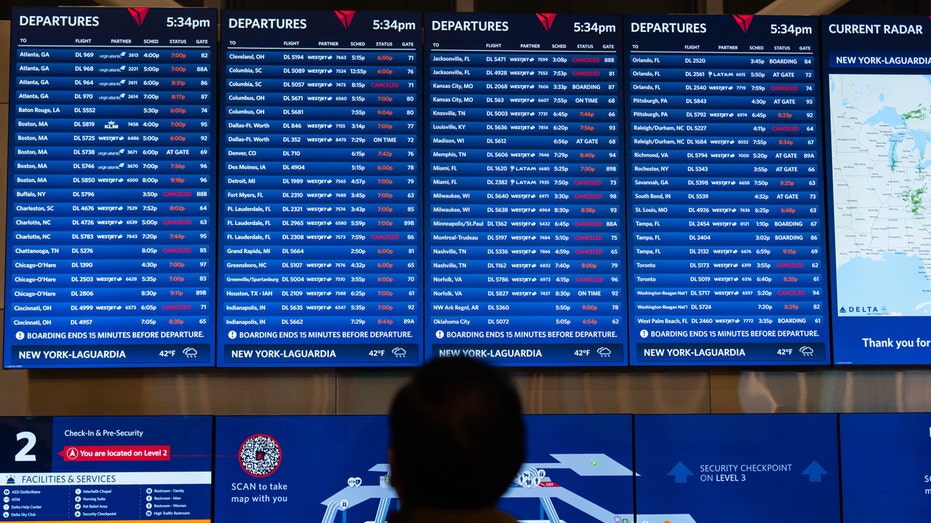

A series of disruptions affecting air travel, banking services and technology systems within a five-to-six-day period prompted officials to reassure the public that no coordinated cyberattack was involved. Homeland Security Secretary Markwayne Mullin and Director of National Intelligence Jay Clayton attributed the incidents to technical problems, maintenance or system upgrades. Danny Cooper, a critical infrastructure security executive, said such conclusions may have been issued before investigators completed the forensic work needed to rule out malicious activity. The debate has increased scrutiny of how authorities communicate during widespread infrastructure failures.
The disruptions included a nationwide Federal Aviation Administration ground stop, banking outages involving JPMorgan Chase and other lenders, and a Microsoft service interruption. Companies and government agencies said the failures were separate and technical, while Cooper argued that the timing and number of incidents justified a more cautious assessment.
Officials have not reported evidence of a coordinated or state-sponsored attack. However, Cooper said that determining whether an intrusion occurred can require detailed technical audits, physical inspections and analysis of activity before and after an outage.
| Article Subheadings | |
|---|---|
| 1) | Officials attribute disruptions to technical failures |
| 2) | Expert challenges the speed of the assurances |
| 3) | Forensic reviews require time and broader checks |
| 4) | Maintenance windows can create cyber risk |
| 5) | Conflicting explanations fuel public concern |
Officials attribute disruptions to technical failures
The outages occurred across several major services during the week of November 13, 2026. The FAA ground stop halted departing flights nationwide, while banking customers experienced disruptions at JPMorgan Chase and other lenders. Microsoft also reported a service interruption. Federal officials said the incidents did not show signs of a cyberattack or malicious activity, and Clayton told the House Homeland Security Committee that the outages were separate service failures linked to maintenance and technical changes rather than a coordinated or state-sponsored operation.
Expert challenges the speed of the assurances
Danny Cooper, chief executive of a critical infrastructure security firm, said authorities should be careful about making definitive statements soon after an incident. The systems involved are complex, and the available evidence can change as logs, devices and network activity are examined.
“A blanket statement like ‘there’s no malicious activity associated with any of the outages’ is almost impossible from a probability perspective,” Cooper said.
Cooper said the concentration of failures within a short period made public skepticism understandable, even though timing alone does not establish a common cause.
Forensic reviews require time and broader checks
A proper investigation would examine digital records, system changes, user activity and the conditions surrounding each failure. Investigators may also need to inspect physical infrastructure and determine who accessed affected environments before the outages. Cooper said those steps are necessary to identify vulnerabilities, distinguish ordinary technical failures from deliberate interference and reduce the risk of an attacker remaining undetected.
The same principle applies to government agencies and private companies. Announcing that an incident was harmless before completing an audit can limit the incentive to preserve evidence and may complicate later efforts to understand what happened.
Maintenance windows can create cyber risk
Software updates, patches and system upgrades can cause service interruptions when implemented across large or complex environments. Cooper acknowledged that organizations moving through extensive upgrade programs could experience more downtime as a result of rushed or poorly coordinated changes.
At the same time, maintenance periods can attract sophisticated attackers because they involve elevated access, altered configurations and reduced visibility while systems are being changed. Cooper said hackers, non-state groups and nation-state actors could attempt to exploit those moments by inserting malware or other exploits, making detailed post-incident analysis essential.
Conflicting explanations fuel public concern
Public anxiety grew as officials offered different explanations for the disruptions. Markwayne Mullin said the homeland and banking system remained secure, while Jay Clayton pointed to maintenance and technical changes. A Democratic National Committee spokesperson, Kendall Witmer, criticized what the committee described as inconsistent statements, including disagreement over whether artificial intelligence played a role. Secretary of State Marco Rubio did not attribute the outages to artificial intelligence.
The differing accounts have not established that the outages were connected, but they have made it harder for the public to assess the official findings. Authorities and affected companies continue to face pressure to explain what was examined, what remains unknown and how future failures will be prevented.
| Number | Key Point |
|---|---|
| 1 | Officials said the outages were separate technical incidents. |
| 2 | A cybersecurity executive said malicious activity cannot be ruled out without full forensics. |
| 3 | Software maintenance can produce outages and create opportunities for attackers. |
| 4 | Conflicting public explanations increased scrutiny of the investigations. |
Summary
Officials have said the recent infrastructure disruptions were unrelated technical failures, and no evidence of a coordinated or state-sponsored attack has been reported. Security experts caution that a definitive assessment requires time, digital forensics and physical investigation. A transparent account of what investigators know, what remains uncertain and how systems will be protected could help restore public confidence.
Frequently Asked Questions
What outages occurred?
The incidents included a nationwide FAA ground stop, banking service disruptions involving JPMorgan Chase and other lenders, and a Microsoft service interruption.
What have federal officials said?
Officials said the incidents appeared to be separate technical failures associated with maintenance, upgrades or other system problems, with no reported evidence of a coordinated or state-sponsored attack.
Why is a cybersecurity expert questioning the early conclusions?
Cooper said investigators need time to review system logs, access records, software changes and physical infrastructure before confidently ruling out malicious activity.
Can maintenance work create security risks?
Yes. Large-scale updates can cause accidental downtime, while the changes and elevated access involved may also provide opportunities for attackers to exploit systems.
