

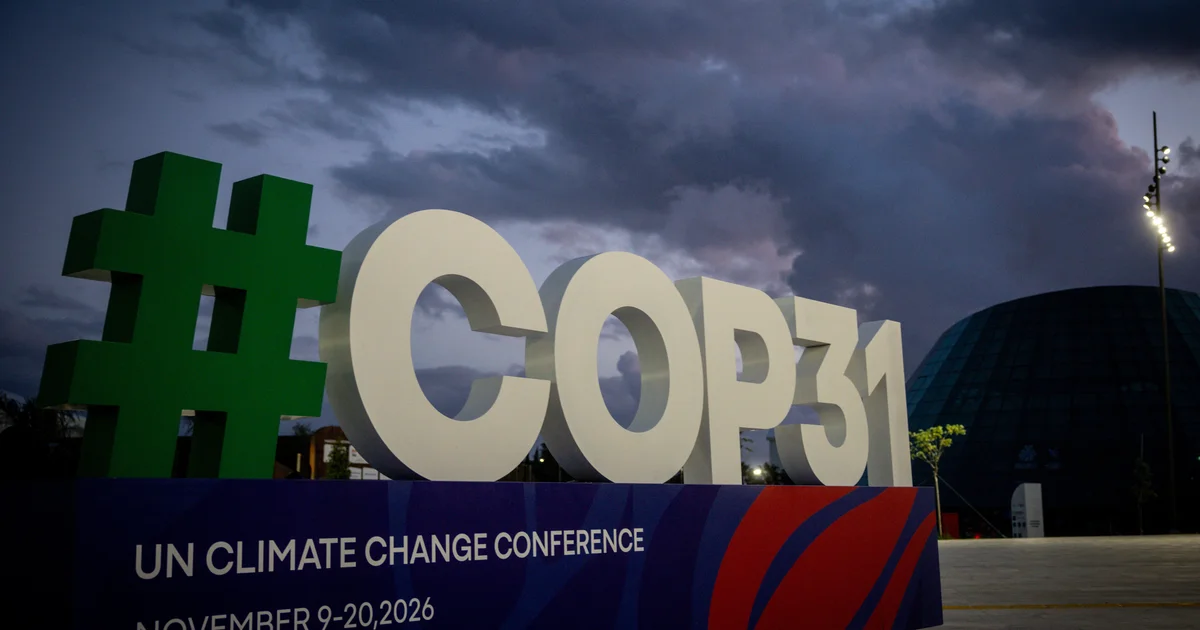

The 31st Conference of the Parties (COP31) concluded on Sunday in Antalya, Turkey, without achieving a final agreement, primarily due to ongoing disputes over fossil fuel usage. Delegations from nearly 200 countries engaged in lengthy negotiations that became the longest COP summit on record. U.N. Secretary-General António Guterres expressed deep disappointment over the absence of consensus, which many view as critical in combating climate change and its effects.
| Article Subheadings |
|---|
| 1) Overview of COP31’s Outcome |
| 2) Key Players in the Negotiations |
| 3) Specific Points of Contention |
| 4) The Role of Fossil Fuels in Climate Change |
| 5) Future Implications and Action Needed |
Overview of COP31’s Outcome
The COP31 conference, held in Antalya, Turkey, was marked by intense deliberations and significant challenges as nearly 200 country representatives gathered to negotiate urgent climate action. Despite expectations for a landmark agreement, the summit ended without a consensus on key issues, highlighting the rifts between nations advocating for a transition away from fossil fuels and those resistant to change. The lengthy negotiations stretched beyond the scheduled closing date, emphasizing the difficulty of achieving a unified response to the stark realities of climate change.
U.N. Secretary-General António Guterres articulated his dismay at the breakdown of talks, noting the critical need for decisive action in the face of escalating global warming. He remarked that the lack of agreement was particularly disheartening given the scientific consensus on the urgency of addressing the climate crisis. The talks reached an impasse, leaving uncertain how nations will meet their commitments under the Paris Agreement, which aims to cap global warming at 1.5 degrees Celsius.
Key Players in the Negotiations
Central to the negotiations was the European Union, which took a firm stance against a draft agreement that failed to address the pressing issue of fossil fuel usage. Ireland’s climate minister, Darragh O’Brien, representing the EU, emphatically stated that they would not support any agreement that did not acknowledge fossil fuels, describing them as the primary driver of climate change. This position echoed sentiments from various smaller nations significantly impacted by climate-related disasters, who expressed the urgency of transitioning to renewable energy sources.
The absence of United States representation was also notable, as it marked the second consecutive year without U.S. delegates following the withdrawal from the Paris Agreement during the Trump administration. This absence raised questions about the nation’s commitment to global climate initiatives. Australia’s climate and energy minister, Chris Bowen, co-presiding over COP31 with Turkey’s Murat Kurum, revealed that divisions over key issues were among the most challenging geopolitical landscapes that nations have faced in recent memory.
Specific Points of Contention
Among the contentious issues at COP31 were proposals for specific rules governing the phasing out of fossil fuels. A coalition led by France and Panama, along with representatives from regions severely affected by climate changes, rejected a draft agreement as insufficient. They emphasized the need for explicit language regarding fossil fuels and stronger commitments for climate financing. Notably, Panama’s environment minister, Juan Carlos Navarro, stated, “We cannot continue to be held hostage by petroleum producers,” which highlights the active resistance from countries most vulnerable to climate impacts.
Earlier drafts of the agreement called for an accelerated phase-out of fossil fuels and an end to inefficient fossil fuel subsidies. However, as discussions progressed, this language was notably absent from the final drafts due to the strong opposition from oil-producing nations like Saudi Arabia. The failure to reach agreement on a fossil fuel strategy reflects deeper divides and underscores the complexities of international climate diplomacy, which is further complicated by varying national interests and economic dependencies.
The Role of Fossil Fuels in Climate Change
Fossil fuels remain a central issue in the global debate on climate change, as they are responsible for a significant proportion of greenhouse gas emissions. The absence of commitments regarding fossil fuel usage in the COP31 outcomes raised alarm among environmental advocates and scientists alike. This summit took place during a year marked by extreme weather events, including record heatwaves and devastating wildfires, which many attribute to the ongoing climate crisis exacerbated by fossil fuel dependence.
As U.N. officials have reiterated, the science is clear: significant reductions in fossil fuel use are necessary to prevent catastrophic climate impacts. Guterres encouraged nations to transition quickly from fossil fuels, asserting that “polluters must pay” for their contributions to the climate crisis. As part of their objective, negotiators discussed various approaches to capturing carbon emissions, but many critics argue that reliance on technology can often serve to divert attention from the essential need to reduce fossil fuel consumption directly.
Future Implications and Action Needed
The failure of COP31 to produce a strong agreement potentially sets back global efforts to combat climate change, particularly in light of the growing urgency for action. Without a solid framework for addressing fossil fuel reliance, countries may struggle to make significant progress toward the goals outlined in the Paris Agreement. Observers note that the consequences of this failure may extend beyond environmental impacts, potentially exacerbating social inequalities and destabilizing vulnerable communities already facing the harsh effects of climate change.
In light of the challenges presented at COP31, many climate advocates stress the importance of grassroots movements and alternative initiatives that promote sustainable practices and renewable energy adoption. Ellen Dorsey, a leading environmental advocate, emphasized the need for an end to fossil fuel subsidies and a commitment to equitable transitions that protect communities and workers impacted by the changes. Observers believe a moment of opportunity is upon global society to achieve systemic shifts in climate policy as younger generations increasingly demand actionable solutions.
| No. | Key Points |
|---|---|
| 1 | COP31 ended without a final agreement, highlighting significant divisions between nations. |
| 2 | The EU and vulnerable nations pushed for strong commitments on fossil fuel usage. |
| 3 | The absence of U.S. representatives was notable following the Paris Agreement withdrawal. |
| 4 | Disputes over fossil fuel language derailed progress on significant climate action. |
| 5 | Future actions are urgently needed to align global efforts with concrete climate goals. |
Summary
The conclusion of COP31 without a binding agreement marks a critical moment in the ongoing struggle against climate change. With disputes over fossil fuel usage central to negotiations, the lack of consensus underscores the complexities nations face in balancing economic interests with environmental responsibilities. As the climate crisis intensifies, experts and advocates alike emphasize the urgent need for action and collaboration to forge a sustainable future that prioritizes the planet’s well-being over fossil fuel reliance.
Frequently Asked Questions
Question: What is the primary goal of the COP conferences?
The COP conferences aim to bring nations together to negotiate and implement international agreements on climate change action, specifically under the framework of the United Nations Framework Convention on Climate Change (UNFCCC).
Question: Why was the absence of U.S. representation at COP31 significant?
The absence of U.S. representatives highlighted concerns regarding America’s commitment to global climate initiatives, particularly following its withdrawal from the 2015 Paris Agreement during the previous administration.
Question: What were some of the specific disputes during COP31?
Key disputes during COP31 centered around whether to include strong language addressing fossil fuel usage in the final agreement and the overall commitments to climate financing and renewable energy transitions.
